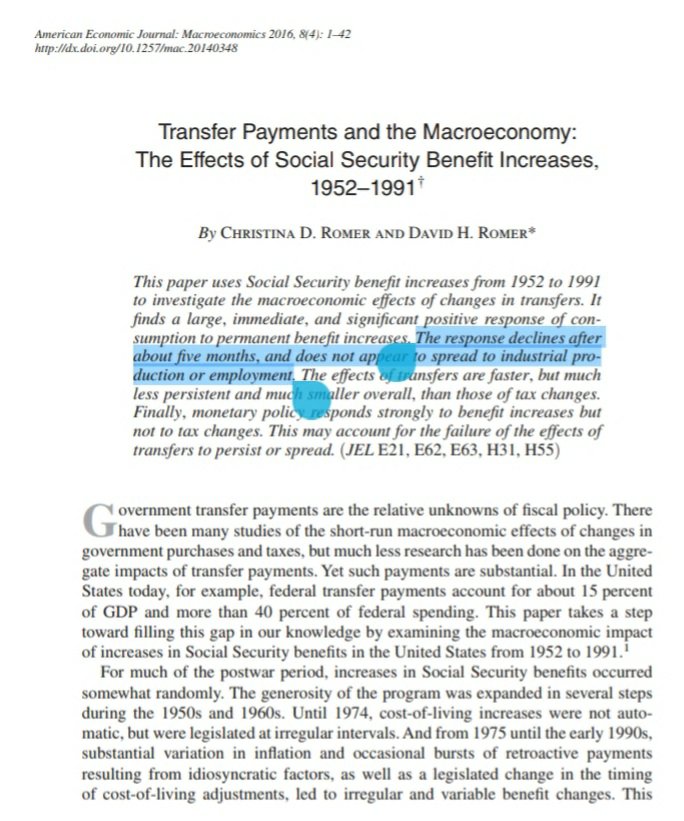
Fiscal multipliers and welfare benefit increases
10 Oct 2020 Leave a comment
in applied price theory, budget deficits, business cycles, econometerics, economic history, fiscal policy, history of economic thought, income redistribution, labour economics, labour supply, macroeconomics, politics - USA, poverty and inequality, Public Choice, public economics, welfare reform Tags: fiscal multiplier, Keynesian macroeconomics, New Keynesian macroeconomics
Recalibrating Affirmative Action | Glenn Loury & Peter Arcidiacono
10 Oct 2020 Leave a comment
in applied price theory, discrimination, econometerics, economic history, economics of bureaucracy, economics of education, human capital, labour economics, labour supply, law and economics, Marxist economics, occupational choice, politics - USA, poverty and inequality, Public Choice Tags: affirmative action, offsetting behaviour, racial discrimination, regressive left, The fatal conceit, unintended consequences
Richard Epstein | The Case Against Reparations 2020
10 Oct 2020 Leave a comment
in applied price theory, applied welfare economics, comparative institutional analysis, constitutional political economy, economic history, income redistribution, law and economics, liberalism, libertarianism, Marxist economics, politics - USA, Public Choice, rentseeking, Richard Epstein Tags: racial discrimination
Kate Andrews on the Gender Pay Gap, Feminism, Socialism & the NHS
10 Oct 2020 Leave a comment
in discrimination, economic history, economics of bureaucracy, economics of crime, economics of education, economics of love and marriage, entrepreneurship, gender, health and safety, history of economic thought, human capital, income redistribution, labour economics, labour supply, law and economics, liberalism, Marxist economics, occupational choice, poverty and inequality, property rights, Public Choice, rentseeking Tags: gender wage gap
Glenn Loury | Systemic Racism, Trump and BLM
09 Oct 2020 Leave a comment
in discrimination, economics of crime, law and economics, politics - USA, Public Choice Tags: racial discrimination
Unclear if Draconian Measures Saved Lives — John P.A. Ioannidis
06 Oct 2020 Leave a comment
in applied welfare economics, economics of bureaucracy, health economics, politics - Australia, politics - New Zealand, politics - USA, Public Choice Tags: economics of pandemics, offsetting bbehaviour, pessimism bias, The fatal conceit, unintended consequences
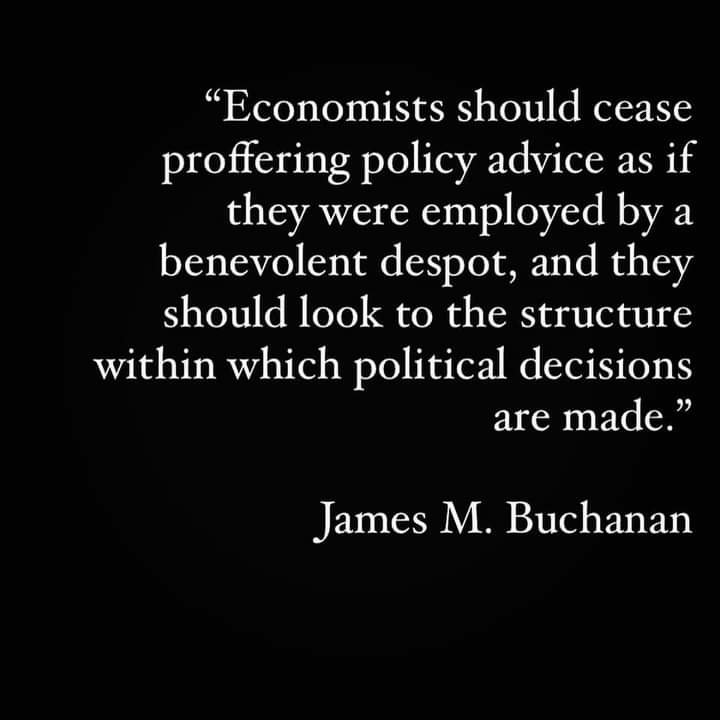
What should public service economists do?
05 Oct 2020 Leave a comment
in comparative institutional analysis, constitutional political economy, economics of bureaucracy, history of economic thought, James Buchanan, James Buchanan, Public Choice, public economics Tags: The fatal conceit
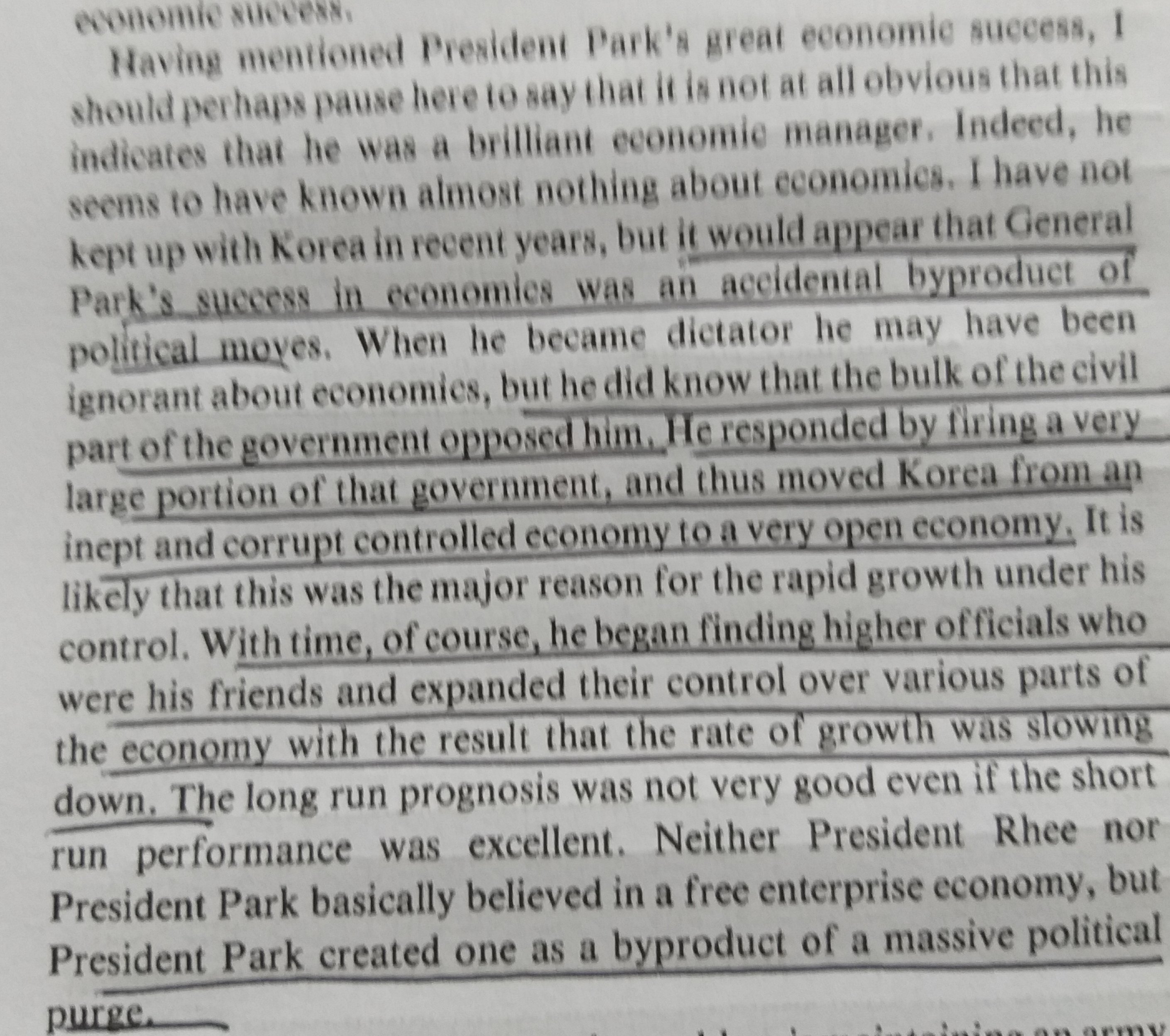
Gordon Tullock on the accidental Korean economic miracle
04 Oct 2020 Leave a comment
in comparative institutional analysis, constitutional political economy, defence economics, development economics, economic growth, economic history, economics of bureaucracy, economics of crime, economics of regulation, entrepreneurship, Gordon Tullock, growth disasters, growth miracles, history of economic thought, industrial organisation, international economics, law and economics, macroeconomics, property rights, Public Choice, rentseeking, survivor principle Tags: South Korea
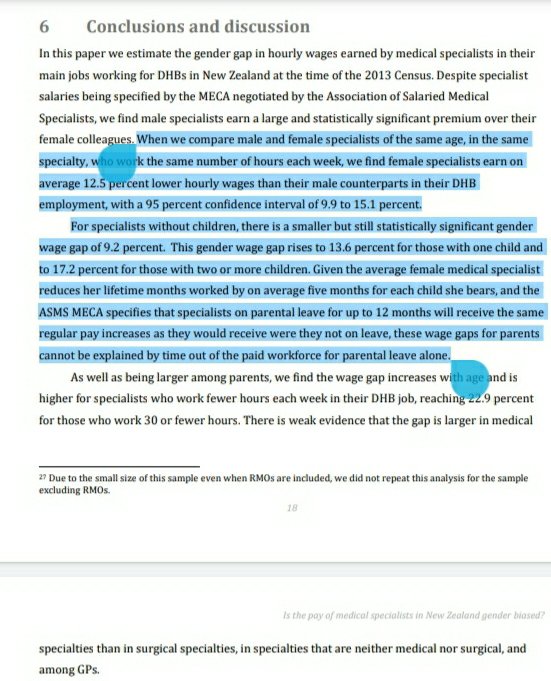
How do DHBs find out how many kids specialists have to pay mothers less per kid? Illegal to ask. Maybe supply-side factors are driving the gender wage gap?
02 Oct 2020 Leave a comment
in applied price theory, discrimination, econometerics, economics of bureaucracy, economics of education, gender, health economics, human capital, labour economics, labour supply, law and economics, occupational choice, personnel economics, politics - New Zealand, Public Choice Tags: gender wage gap, motherhood penalty
.@BernieSanders @AOC @Greens @NZGreens
02 Oct 2020 Leave a comment
in business cycles, development economics, discrimination, economic growth, economic history, economics of bureaucracy, economics of crime, economics of education, Economics of international refugee law, economics of love and marriage, economics of regulation, economics of religion, energy economics, entrepreneurship, environmental economics, financial economics, fiscal policy, gender, global warming, growth disasters, growth miracles, health and safety, health economics, history of economic thought, human capital, income redistribution, industrial organisation, international economics, International law, job search and matching, labour economics, labour supply, law and economics, macroeconomics, Marxist economics, minimum wage, occupational choice, occupational regulation, politics - Australia, politics - New Zealand, politics - USA, poverty and inequality, privatisation, property rights, Public Choice, public economics, rentseeking, survivor principle, unemployment, unions, welfare reform Tags: Age of Enlightenment, moral psychology, offsetting behaviour, political psychology, regressive left, The fatal conceit, The Great Enrichment, unintended consequences, useful idiots
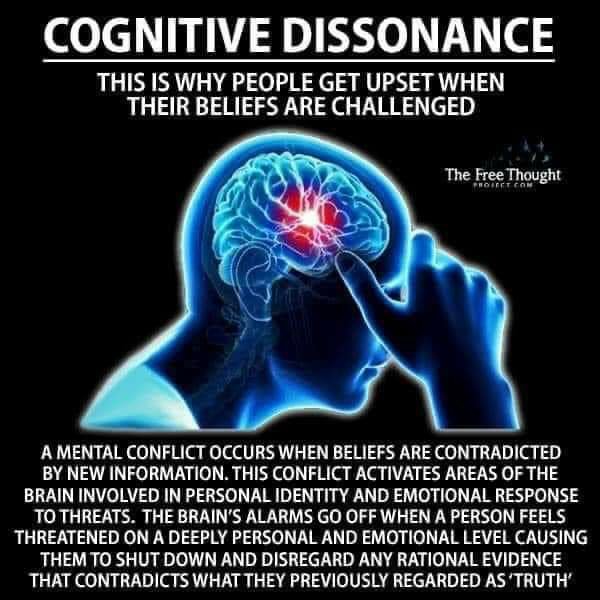
Immigration Rights | Political Philosophy with Jason Brennan
01 Oct 2020 Leave a comment
in comparative institutional analysis, constitutional political economy, development economics, income redistribution, international economic law, International law, labour economics, labour supply, law and economics, liberalism, libertarianism, poverty and inequality, property rights Tags: economics of immigration
Little wonder @women_nz ignores world’s top female economist
01 Oct 2020 Leave a comment
in applied price theory, discrimination, economic history, economics of education, economics of love and marriage, gender, health and safety, human capital, industrial organisation, labour economics, labour supply, managerial economics, occupational choice, organisational economics, personnel economics, politics - New Zealand, politics - USA, poverty and inequality, Public Choice Tags: gender wage gap, pessimism bias, regressive left
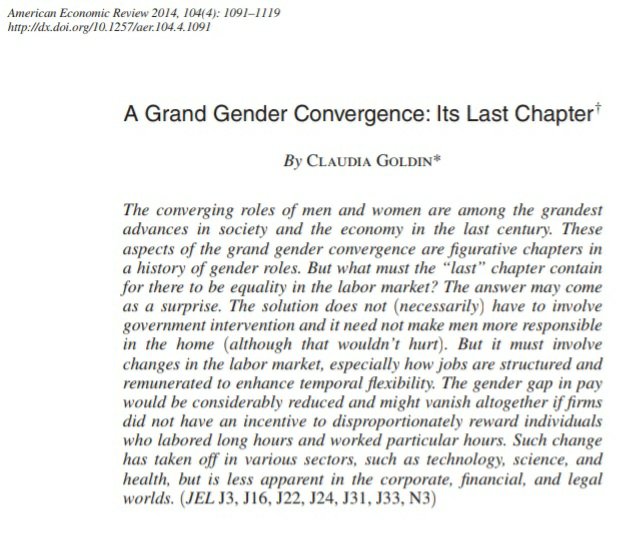
Stoners don’t like to pay tax
29 Sep 2020 Leave a comment
in applied price theory, economics of bureaucracy, economics of crime, economics of regulation, health economics, industrial organisation, law and economics, liberalism, politics - New Zealand, politics - USA, Public Choice, public economics, survivor principle Tags: California, marijuana decrimilisation, offsetting behaviour, unintended consequences
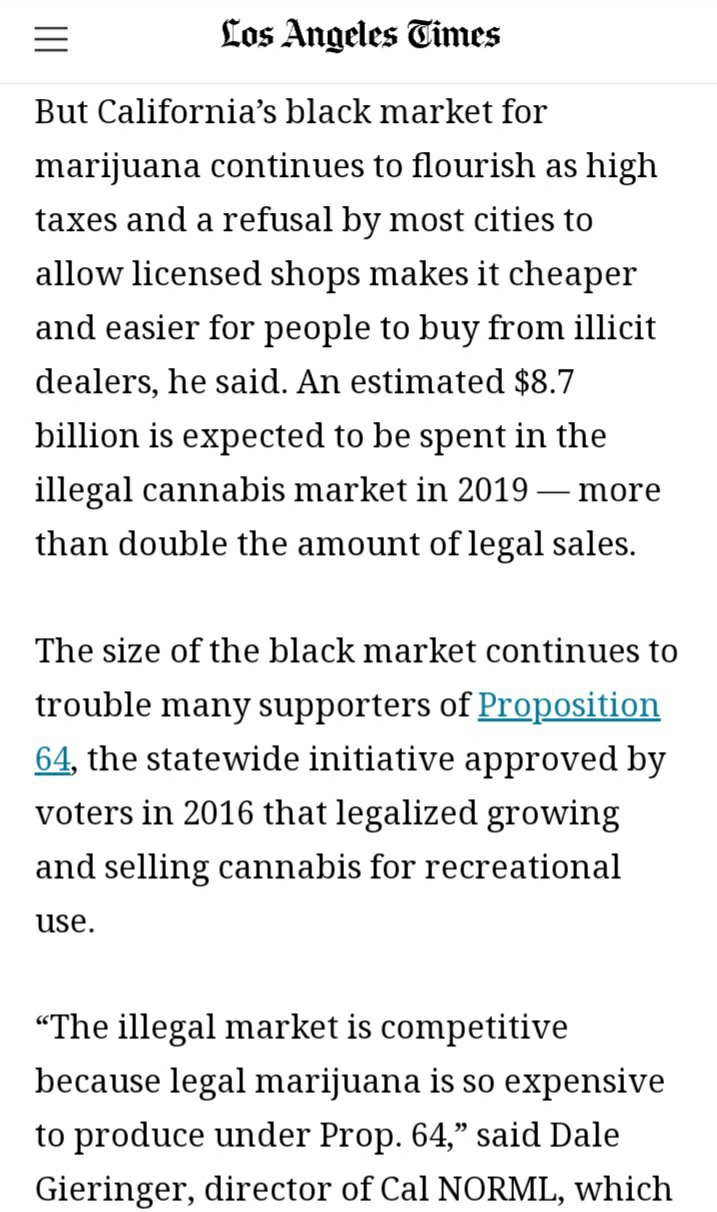
Bryan Caplan on wage gaps
29 Sep 2020 Leave a comment
in applied price theory, discrimination, econometerics, economics of education, gender, health and safety, human capital, labour economics, labour supply, law and economics, minimum wage, occupational choice, occupational regulation, politics - Australia, politics - New Zealand, politics - USA, poverty and inequality, Public Choice, unemployment, unions Tags: gender wage gap, racial discrimination, sex discrimination

 Utopia, you are standing in it!
Recent Comments