The wealth tax is back. We have previously discussed the constitutional and policy concerns surrounding the push by Democrats like Sen. Elizabeth Warren (D., Mass.) to introduce a wealth tax that would start with billionaires. It would not likely end there. The law would also apply the same type of California approach to wealthy families […]
I started writing Build, Baby, Build: The Science and Ethics of Housing Regulation, in the early weeks of Covid. Now, with the kind cooperation of the Cato Institute, my second non-fiction graphic novel releases on May 1, 2024. That’s less than six weeks away.The official coverPlease forgive my laughable arrogance, but I assure you that…
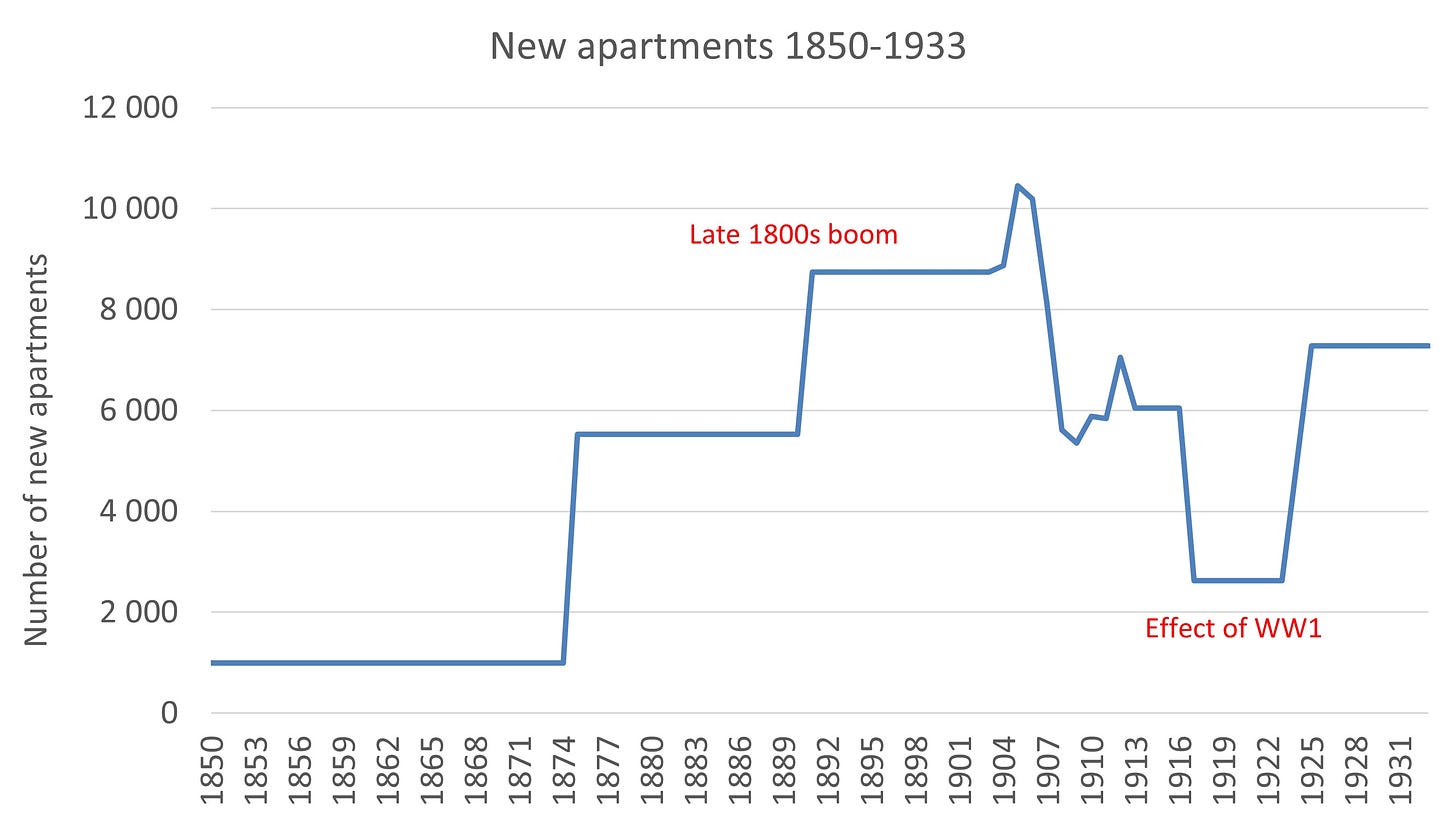
Bet On It reader Vanja Månborg knows a lot about rent control in Sweden. If you think Sweden is a country of thoughtful technocrats where government intervention works well, reading his guest post may make you think again. Here’s Vanja:Sweden has had rent control regulations since 1917 with less than two decades of pause between…
Randomized Controlled Trials: Could you be any more scientific? The book I’m now writing, Unbeatable: The Brutally Honest Case for Free Markets, insists that the randomistas of the economics profession actually have a thinly-veiled political agenda. Namely: To get economists to humbly serve the demagogues that rule the world instead of bluntly challenging their unabated…
Both Matt Nippert of the NZ Herald and Tom Hunt of The Post deserve a bouquet for their analyses of the truly remarkable deal between the Wellington City Council (WCC) and the troubled American Cinema company Reading. For this who don’t know, Reading owns a large (more than 14, 000 square metres or 1.4 hectares) […]
A few weeks ago I joined some contemporaries by abandoning the near sixty year habit of watching nightly TV news. I dropped it because I felt it did not give me real information that I had not acquired from other media sources, including some I pay for – The Economist, the NZ Herald, The Atlantic […]
Over 20 years ago, some middling economists (cite) estimated that the Small Business Set-Aside program reduced Forest Service Timber prices by 15%. By limiting the potential pool of available bidders to only smaller lumber mills, you get less competition and worse prices. Now San Francisco is re-learning that lesson. In 2016, it refused to do…
Labour’s App Tax is a 15% sales tax paid for by the mum and dad accommodation providers, takeaway joints, and ride share drivers. The App Tax hits sole-traders who sell their services through an app or website such as Uber or Airbnb. It will add even more to the costs of living for every Kiwi…
Oliver Hartwich writes – The World Justice Project ranks New Zealand 7th out of 142 countries on its ‘Rule of Law Index’, narrowly ahead of Australia’s 13th place. However, Australia still has hope – if only because of a recent decision by the Supreme Court of New Zealand. The case is easily told. Mike Smith, […]
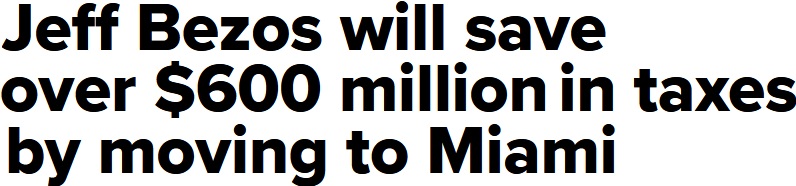
Inflation is having an effect on everything, even policy analysis. Back in 2013, I wrote that Phil Mickelson was “California’s One-Man Laffer Curve” because he wanted to escape the Golden State to save about $1.2 million per year in taxes. But now, when a goose that lays golden eggs wants to escape, the numbers are […]
Shane Jones deserves full support for his round-arm swing at the Waitangi Tribunal which is now fiddling about with a constitutional inquiry and deciding who can take part in it. A clause in New Zealand First’s coalition agreement with the National Party commits the government to amending the Waitangi Tribunal’s legislation so that the body…
I give him a 30-40% chance, which is perhaps generous because I am rooting for him. Bryan Caplan, who is more optimistic, offers some analysis and estimates that Milei needs to close a fiscal gap of about five percent of gdp. I have two major worries. First, if Milei approaches fiscal success, the opposing parties […]
Why Evolution is True is a blog written by Jerry Coyne, centered on evolution and biology but also dealing with diverse topics like politics, culture, and cats.
“We do not believe any group of men adequate enough or wise enough to operate without scrutiny or without criticism. We know that the only way to avoid error is to detect it, that the only way to detect it is to be free to inquire. We know that in secrecy error undetected will flourish and subvert”. - J Robert Oppenheimer.


 Utopia, you are standing in it!
Recent Comments