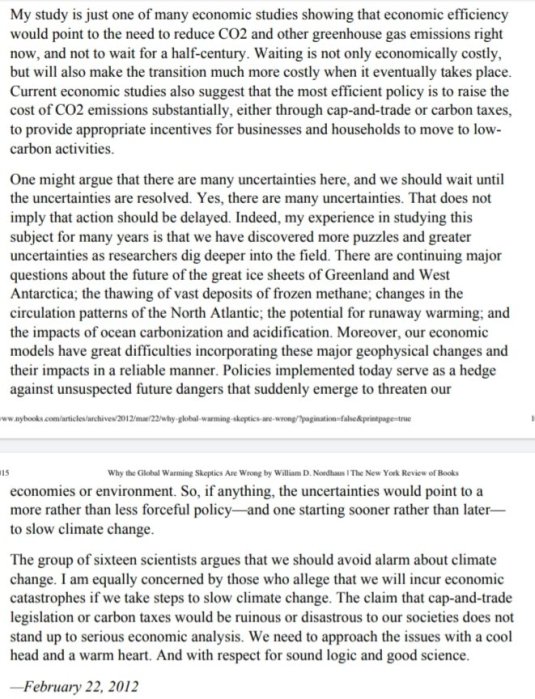
Nordhaus on tipping points
11 Nov 2019 1 Comment
in applied welfare economics, economics of bureaucracy, energy economics, environmental economics, environmentalism, global warming, international economic law, International law, politics - USA, Public Choice, public economics Tags: climate alarmists
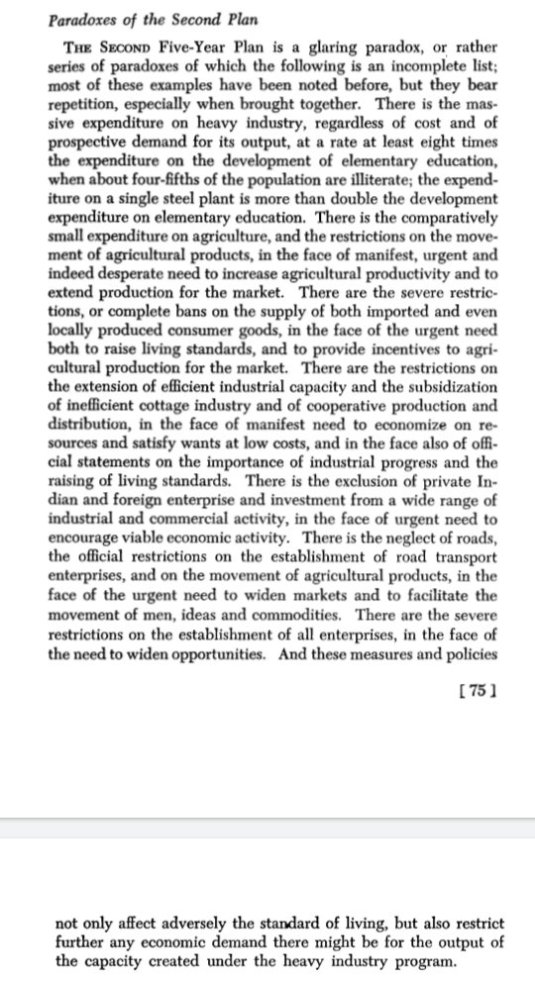
P.T. Bauer (1959) on planning a big push out of Indian poverty
10 Nov 2019 Leave a comment
in comparative institutional analysis, development economics, economic history, economics of bureaucracy, economics of education, economics of information, economics of regulation, growth disasters, human capital, income redistribution, industrial organisation, labour economics, labour supply, law and economics, Marxist economics, property rights, Public Choice, public economics, rentseeking Tags: economics of planning, economics of socialism, India, The fatal conceit

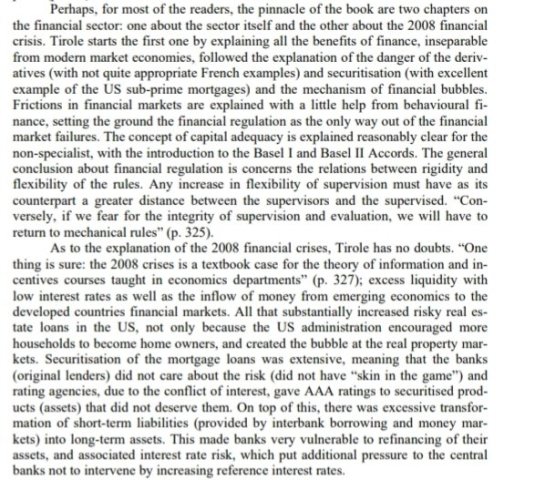
SNL destroys @SenWarren’s Medicare-for-all
03 Nov 2019 Leave a comment
in entrepreneurship, financial economics, health economics, human capital, income redistribution, industrial organisation, labour economics, labour supply, Marxist economics, occupational choice, politics - USA, poverty and inequality, Public Choice, public economics, survivor principle Tags: 2020 presidential election, envy, The fatal conceit, top 1%, wealth tax

Steven N.S. Cheung on airports are not special
03 Nov 2019 Leave a comment
in applied price theory, applied welfare economics, comparative institutional analysis, public economics, urban economics

Which billionaires will the @BernieSanders @SenWarren wealth tax abolish?
03 Nov 2019 Leave a comment
in economic history, entrepreneurship, human capital, income redistribution, industrial organisation, law and economics, occupational choice, politics - USA, property rights, Public Choice, public economics, survivor principle Tags: capitalism and freedom, envy, superstars, The fatal conceit, top 1%, wealth tax

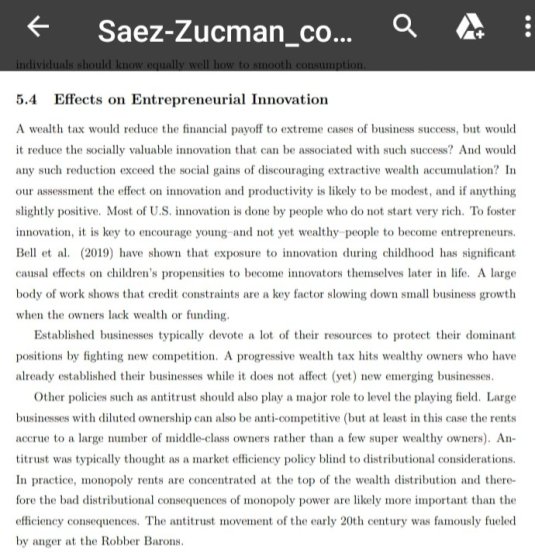
Saez and Zucman are rather blase about the impact of wealth taxes on innovation. Encourage innovation then tax away succesful innovators!
25 Oct 2019 Leave a comment
in applied price theory, entrepreneurship, income redistribution, industrial organisation, Marxist economics, politics - USA, Public Choice, public economics, rentseeking, survivor principle Tags: 2020 presidential election, endogenous growth theory, envy, superstars, top 1%, wealth taxes
Would a “Wealth Tax” Help Combat Inequality? A Debate with Saez, Summers, and Mankiw
20 Oct 2019 Leave a comment
in applied price theory, applied welfare economics, comparative institutional analysis, economics of education, entrepreneurship, financial economics, human capital, income redistribution, industrial organisation, labour economics, labour supply, Marxist economics, occupational choice, politics - USA, poverty and inequality, Public Choice, public economics, rentseeking, survivor principle Tags: envy, superstar wages, superstars, taxation and entrepreneurship, taxation and investment, taxation and labour supply, top 1%, wealth taxes
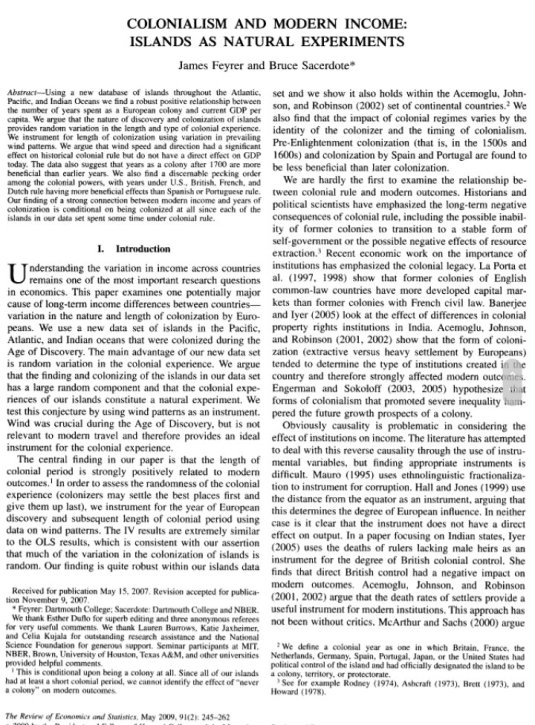
Angus Deaton Understanding and misunderstanding randomized controlled trials
16 Oct 2019 Leave a comment
in applied price theory, applied welfare economics, comparative institutional analysis, development economics, econometerics, economics of bureaucracy, economics of crime, economics of education, economics of information, growth disasters, health economics, labour economics, labour supply, law and economics, managerial economics, organisational economics, personnel economics, Public Choice, public economics, theory of the firm Tags: offsetting behaviour, The fatal conceit, The pretence to knowledge, unintended consequences
Deirdre McCloskey on why liberalism works
16 Oct 2019 Leave a comment
in applied price theory, comparative institutional analysis, constitutional political economy, development economics, economic growth, economic history, economics of bureaucracy, economics of education, economics of regulation, entrepreneurship, growth disasters, growth miracles, health economics, human capital, income redistribution, industrial organisation, international economics, labour economics, law and economics, macroeconomics, Marxist economics, poverty and inequality, property rights, Public Choice, public economics, Rawls and Nozick, rentseeking, survivor principle Tags: The Great Enrichment
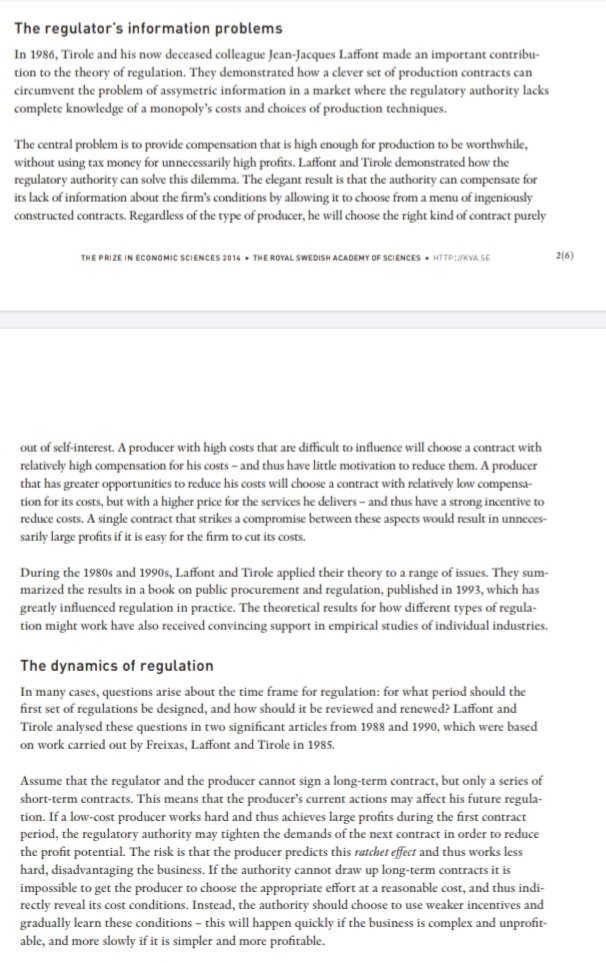
 Utopia, you are standing in it!
Recent Comments