Stossel: The Philly Soda Tax Scam @SenSanders @TaxpayersUnion
25 Jul 2018 Leave a comment
in applied price theory, applied welfare economics, health economics, politics - New Zealand, politics - USA, Public Choice, public economics Tags: economics of obesity, nanny state
Explained: The Principality of Sealand
15 Jul 2018 Leave a comment
in International law, public economics
Matthew Kahn on the mixed messages of mayors to the bond markets and the courts
14 Jul 2018 Leave a comment
in economics of bureaucracy, economics of crime, energy economics, environmental economics, financial economics, global warming, law and economics, politics - USA, Public Choice, public economics, rentseeking Tags: climate alarmism, securities fraud

Nice conundrum from Bryan Caplan
13 Jul 2018 Leave a comment
in economics of information, fiscal policy, public economics

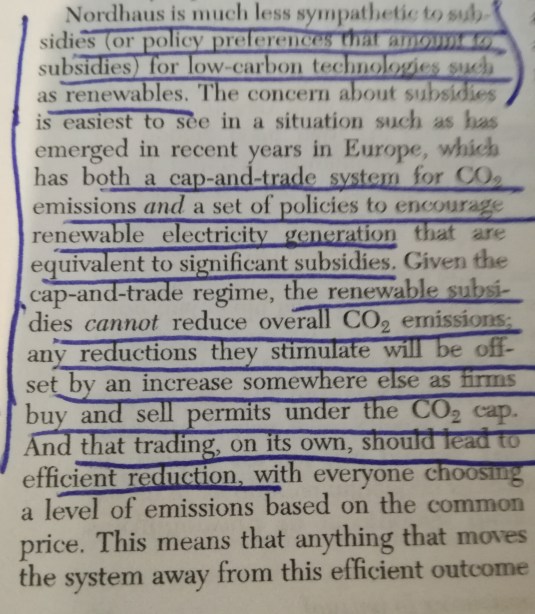
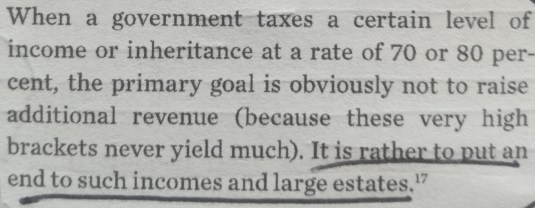
Piketty is a supply-side economists?
12 Jul 2018 Leave a comment
in applied price theory, entrepreneurship, human capital, labour economics, labour supply, occupational choice, poverty and inequality, public economics Tags: taxation and investment, taxation and labour supply, top 1%
Stigler explains how intellectuals and consultants ply their policy trade honestly
28 Jun 2018 Leave a comment
in comparative institutional analysis, constitutional political economy, economics of bureaucracy, economics of education, economics of media and culture, economics of regulation, George Stigler, history of economic thought, human capital, industrial organisation, labour economics, occupational choice, Public Choice, public economics, rentseeking, survivor principle Tags: consultants, job sorting, public intellectuals

Stigler on one of the two political advising roles of economists
26 Jun 2018 Leave a comment
in applied price theory, George Stigler, industrial organisation, Public Choice, public economics, rentseeking Tags: deregulation, special interests

Paul Samuelson (1963) on oil cartel stability and cheating
23 Jun 2018 Leave a comment
in applied price theory, development economics, economic history, economics of bureaucracy, energy economics, industrial organisation, Public Choice, public economics Tags: cartel theory, OPEC

Poverty traps explained
21 Jun 2018 Leave a comment
in applied price theory, labour economics, labour supply, politics - New Zealand, public economics, welfare reform Tags: family poverty, poverty traps

Johan Norberg: The Truth about Swedish Socialism
05 Jun 2018 1 Comment
in applied price theory, economic history, macroeconomics, Public Choice, public economics Tags: growth of government, size of government, sweet
Milan Vaishnav | When Crime Pays: Money and Muscle in Indian Politics
07 May 2018 Leave a comment
in applied price theory, constitutional political economy, economics of bureaucracy, economics of crime, Public Choice, public economics, rentseeking Tags: economics of corruption, India
Was Karl Marx right? | The Economist
05 May 2018 Leave a comment
in applied price theory, business cycles, development economics, economic history, economics of bureaucracy, entrepreneurship, history of economic thought, industrial organisation, labour economics, macroeconomics, Marxist economics, poverty and inequality, Public Choice, public economics Tags: economics of socialism
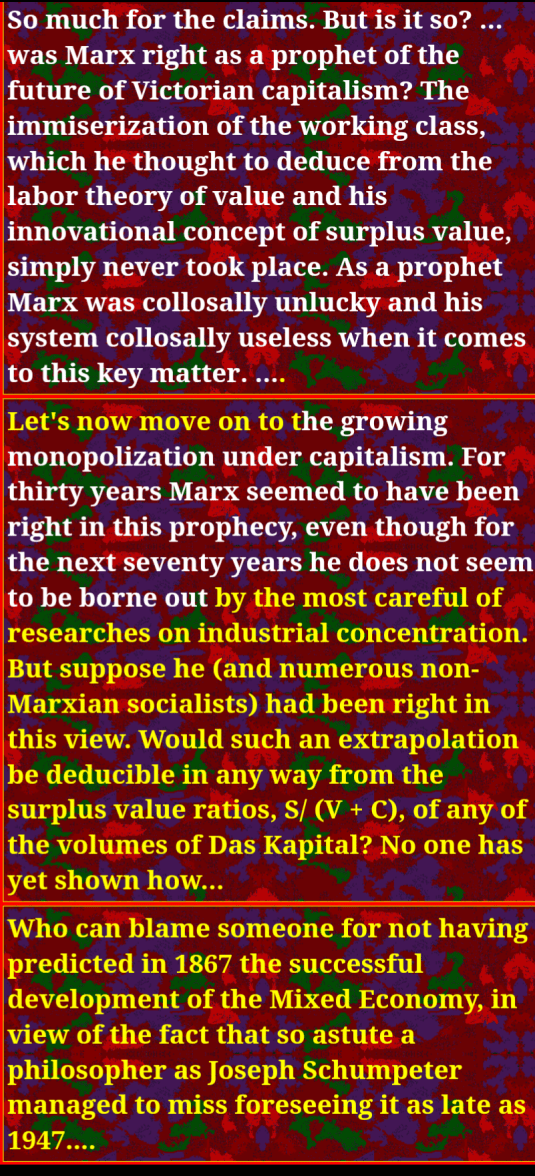
From Paul Samuelson’s essay on marxist economics
Climate change suits versus disclosures of threats to tax bases to the municipal bond market – interview with Stephen Winterstein
03 May 2018 Leave a comment
in economics of crime, economics of information, environmental economics, financial economics, global warming, law and economics, politics - USA, Public Choice, public economics, rentseeking Tags: climate alarmism, securities fraud


Recent Comments