Incredible landing of Alitalia plane at Kai Tak, former Hong Kong airport.
28 Dec 2016 Leave a comment
in economics, transport economics Tags: Air safety
We saw a Fokker bounce at Windy Wellington’s airport today
27 Dec 2016 Leave a comment
in transport economics Tags: Air safety
When waiting to turning at the exit of the Warehouse car park, we happen to see a Fokker Dash 8 land on one wheel, bounce and go around. Rather spectacular to see.
It was a windy day near the airport. As soon as I saw the Fokker bounce, years of watching air crash investigations told me that it would go around. The photo below is from the web.

I saw one show which was about the previous drill which was attempt to recover from bouncing in crosswinds and keep landing. They stopped that there is a complete disaster and fireball. The pilot was 0.7 seconds late on recovering. He thought he had landed but had not. There are now alarms in the cabin to tell pilots when both wheels are on the ground.
I wonder how early in flying that pilots discover they have to have enough power to go round even when landing and over the actual airstrip.
More from Chemtrail Pilots Anonymous
26 Dec 2016 Leave a comment
in economics of media and culture, transport economics Tags: conspiracy theories
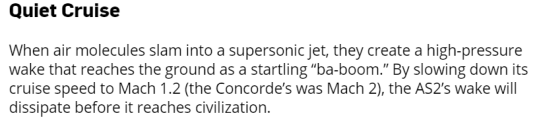
Secret of supersonic flight over land is to fly slower @ericcrampton
23 Dec 2016 Leave a comment
in economics of regulation, transport economics
The madness of the @NZGreens about electric trains
21 Dec 2016 Leave a comment
in environmental economics, environmentalism, politics - New Zealand, transport economics
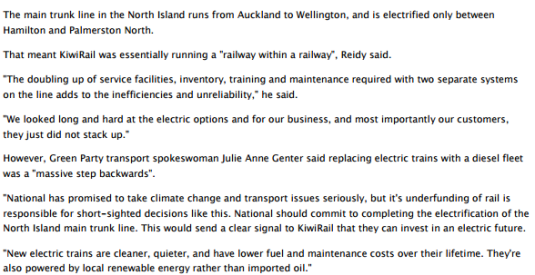
Source: KiwiRail to replace ageing electric train fleet with diesel engines – Business – NZ Herald News.
Hard rock: the challenge of the Awatere Valley Road slip
19 Dec 2016 Leave a comment
in economics of natural disasters, transport economics Tags: earthquakes
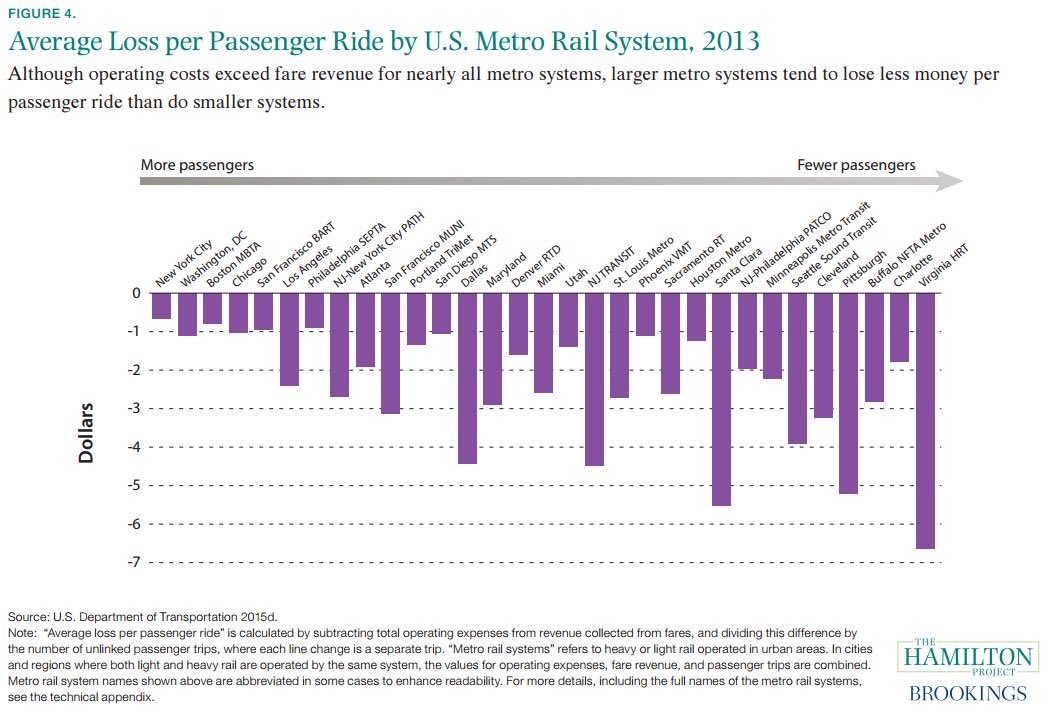
Myth busting @JulieAnneGenter supports light rail because it’s a good investment!
17 Dec 2016 Leave a comment
in applied welfare economics, politics - New Zealand, transport economics, urban economics


Why Some Countries Drive on the Right and Some on the Left
11 Dec 2016 1 Comment
in economic history, transport economics Tags: traffic rules
Sorry, Elon Musk! Driverless Cars Will Take Longer Than You Think
06 Dec 2016 Leave a comment
in economics, transport economics Tags: self drive cars

#nzeq Post-disaster labour market adjustment: Alaska in the pipeline era & Darwin after Cyclone Tracy
17 Nov 2016 Leave a comment
in economics of natural disasters, labour economics, labour supply, politics - New Zealand, transport economics, urban economics Tags: Alaska, Cyclone Tracy
Experiences from abroad suggest that labour markets have a history of rapid adaptation to regional surges in construction demand and that workers are prepared to tolerate lower quality housing provided there are compensating wage premiums.
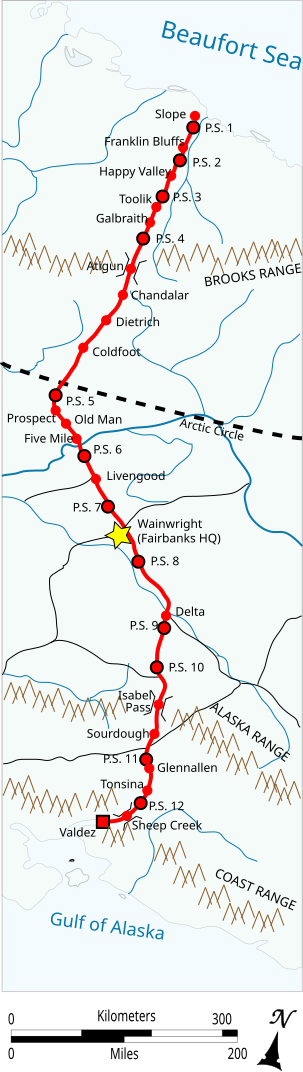
The Trans-Alaska Pipeline was the largest privately funded construction project to that time. Alaskan wages during the building period between 1974 and 1977 were very flexible in the construction and related industries.
Labour supply was responsive in terms of more hours worked per worker and more local workers entering the workforce with many others moved temporarily to Alaska even though the Alaskan climate and culture would not appeal to everyone.
The Alaskan labour force increased by 50%, from about 50,000 to about 90,000 workers, hours worked per week increased by about the same, and many people worked 2 jobs.
High school hours were moved to the morning so that students and their teachers could take an afternoon job in pipeline construction. There is hot beading of accommodation and a 1000% labour turnover rate at the local McDonald’s. By 1979, the Alaskan labour force returned pretty much to its preconstruction era size.
Moving to a region still prone to after-shocks also would not appeal to everyone. Many energy industry construction projects in modern times were completed in unappealing locations and extreme climates on land and sea.
As another and much nearer example, Cyclone Tracy destroyed about 60 per cent of the 8,000 houses in Darwin on 24 December 1974 and more than 30 per cent were severely damaged. Most of Darwin’s population of 48,000 people became homeless; 71 lives were lost.

After a mass evacuation of 35,000, Darwin’s population was 10,000 by 1 January 1975. Darwin’s population recovered to 30,000 by May 1975. This influx was dominated by newcomers, especially construction workers. Temporary housing, caravans, hotels and an ocean liner were all pushed into service.
When the Darwin Reconstruction Commission was wound up two years ahead of the initial reconstruction timeline on 12 April 1978, 3,000 new dwellings had been completed. By mid-1978, the city could again house its pre-Tracy population numbers. Darwin is now home for about 125,000 people.
How to get back to the eastern suburbs from the CBD after an earthquake #eqnz
16 Nov 2016 Leave a comment
in economics of natural disasters, politics - New Zealand, transport economics, urban economics Tags: earthquakes
Take the bus. But not a trolley bus. We were going to walk home (7.8 km) but once we got to the edge of Mount Victoria, bus drivers were picking people up.

Buses could not get into the centre of town because of gridlock, so drivers showed the initiative to go to the perimeter of the CBD and going back out and in on their normal routes. They picked up many people. Do not start me on how useless trolley buses are after a natural disaster
 Utopia, you are standing in it!
Recent Comments