
As a Chicago native, I have watched my home city unravel under the policies of Mayor Brandon Johnson and the…
Chi-Town Meltdown: Chicago Ramps Up Taxes and Debt in Familiar Death Spiral
Celebrating humanity's flourishing through the spread of capitalism and the rule of law
23 Mar 2026 Leave a comment
in politics - USA, public economics, urban economics
As a Chicago native, I have watched my home city unravel under the policies of Mayor Brandon Johnson and the…
Chi-Town Meltdown: Chicago Ramps Up Taxes and Debt in Familiar Death Spiral
21 Mar 2026 Leave a comment
in applied price theory, development economics, economics of regulation, growth disasters, transport economics, urban economics Tags: South Africa
Rio de Janeiro let its hillsides be filled in with lower-cost dwellings. The result was a significant increase in the crime rate. On the more positive side of the ledger, upward mobility increased too. If you live in a decent favela, you can get to a downtown job with not too much difficulty, albeit with…
Some simple spatial analytics of Cape Town
27 Feb 2026 Leave a comment
in economics of bureaucracy, economics of climate change, economics of regulation, energy economics, environmental economics, environmentalism, global warming, Public Choice, urban economics Tags: Germany

“Habeck’s heating hammer” set to bite the dust. Maybe net zero zealotry is not the complete answer to modern energy supply after all, despite what its supporters keep claiming. – – – A revision of an existing law will now allow homeowners to use oil and gas as heating fuel instead, says Euronews. Germany’s government […]
‘Disaster’! Climate groups slam Germany for scrapping renewable heating law
24 Feb 2026 Leave a comment
in economics of climate change, economics of regulation, energy economics, environmental economics, environmentalism, global warming, law and economics, politics - USA, Public Choice, transport economics, urban economics Tags: constitutional law

The expected blowback from invested climatists is underway, as reported by legacy media whose bias is with the alarmists. Examples: EPA faces lawsuit over scrapping the ‘endangerment finding,’ a pillar of climate regulation, Scientific American E.P.A. Faces First Lawsuit Over Its Killing of Major Climate Rule, NY Times Lawsuit: EPA revoking greenhouse gas finding risks […]
Lawfare Begins Against Repealing Endangerment Finding–Legalities Outlook
21 Feb 2026 Leave a comment
in economics of bureaucracy, environmental economics, environmentalism, politics - New Zealand, Public Choice, urban economics Tags: water pollution
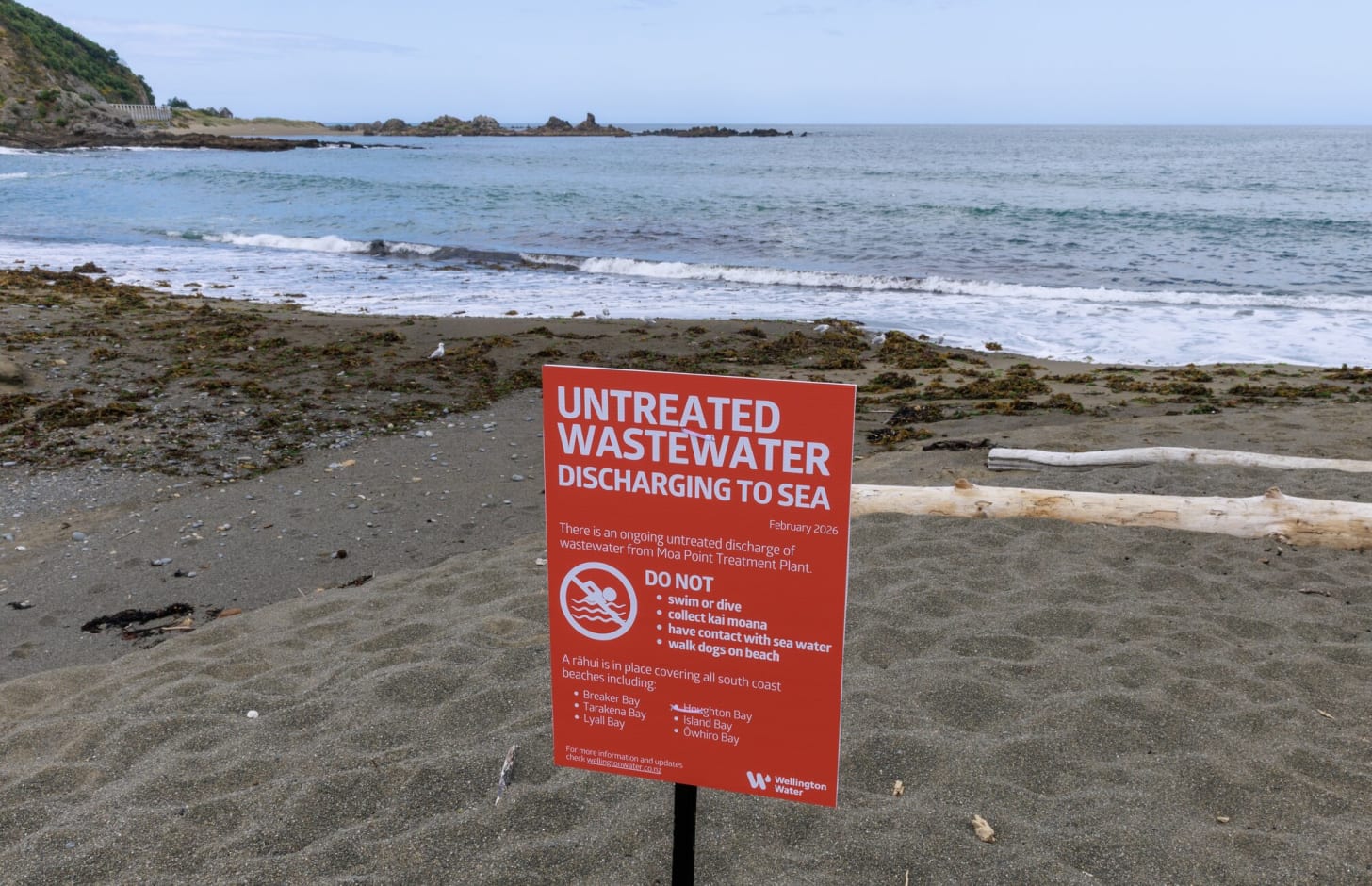
Is it racist to be angry at elected representatives? Moa Point as a case study… When a city pumps tens of millions of litres of raw sewage into the sea day after day, the public is entitled to anger. There is human waste in the sea and on the shore, beaches are closed in peak […]
Sewage, scrutiny, and the politics of accountability
09 Feb 2026 Leave a comment
in economics of climate change, energy economics, environmental economics, environmentalism, global warming, transport economics, urban economics Tags: Canada, electric cars

By Paul Homewood The row back against EV mandates is gathering momentum. From LifeSite News: After backlash from consumers, Canadian premiers, automakers, and industry groups, the Canadian government more or less scrapped its total Electric Vehicle (EV) 2035 mandate.
Canada Scraps EV Mandate
09 Feb 2026 Leave a comment
in economics of climate change, economics of regulation, energy economics, environmental economics, environmentalism, global warming, transport economics, urban economics Tags: electric cars

By Paul Homewood You will remember I wrote to my local Labour MP a couple of months ago to discuss the problems facing electric car drivers who don’t have off street parking – namely the exorbitant cost of public chargers, lack of chargers and the issue of running a charge cable across […]
Labour Throw Motorists Under The Bus
02 Feb 2026 1 Comment
in economics of climate change, economics of regulation, energy economics, environmental economics, environmentalism, global warming, transport economics, urban economics Tags: British politics
Ordinary residents of trial cities will only be permitted 100 days per year outside their 15 minute region. But special people get a free pass.
Starmer Government Greenlights 15 Minute City Legal Enforcement
28 Jan 2026 1 Comment
in applied price theory, economics of regulation, income redistribution, law and economics, politics - USA, property rights, Public Choice, regulation, rentseeking, urban economics Tags: rent control
This is what I’m seeing: + 2.4 million rent-controlled apartments in a city with a massive housing shortage and 1.4% vacancy rate. + A huge % of these tenants are wealthy, white boomers using the units as pieds-a-terres while they spend their weekends and summers elsewhere. + Meanwhile, the government is using rent control to…
Michelle Tandler on NYC rent control
14 Jan 2026 Leave a comment
in applied price theory, economics of regulation, income redistribution, law and economics, property rights, Public Choice, rentseeking, Thomas Sowell, urban economics Tags: housing affordability, land supply
Tweet… is from page 152 of Thomas Sowell’s Compassion Versus Guilt, a 1987 collection of some of his popular essays; specifically, it’s from Sowell’s June 14th, 1985, column titled “Chances versus Guarantees”: People who bought homes in a quiet little town often become resentful when other people begin moving in, expanding and changing the community.…
Quotation of the Day…
31 Dec 2025 Leave a comment
in applied price theory, comparative institutional analysis, economics of bureaucracy, environmental economics, industrial organisation, politics - New Zealand, privatisation, Public Choice, urban economics
Radio NZ reports: Auckland Councillors have voted not to proceed with a six-month trial of fortnightly kerbside rubbish collections in parts of the city, after considering public feedback. The proposed trial would’ve halved the number of kerbside collections in Te Atatū, Panmure, Tāmaki, Clendon Park and Weymouth, with the intention of reducing waste to landfill.…
Why not leave rubbish collection to the private sector?
30 Dec 2025 Leave a comment
in applied price theory, urban economics
One of the characteristics of perfect competition is free entry. If firms make an above average rate of return, new firms will enter. This increase in supply will lower price and the rate of return starts to fall. This might be happening in house flipping.See Why It’s a Tough Time for House-Flippers by Lori Ioannou of…
Is house flipping a perfectly competitive industry?
29 Dec 2025 Leave a comment
in economics of climate change, economics of education, energy economics, environmental economics, environmentalism, global warming, politics - USA, transport economics, urban economics Tags: electric cars
Children’s fingers, toes and noses are so overrated…
New York Unheated EV School Bus Horror
26 Dec 2025 Leave a comment
in development economics, economic history, population economics, urban economics

During the last half-century or so, one of the biggest changes in how humans live is the greater share of people around the world who live in cities. The UN Department of Economic and Social Affairs describes some pattern in its report on World Urbanization Prospects 2025: Summary of Results (November 2025). The report defines…
Some Snapshots of Global Urbanization
23 Dec 2025 Leave a comment
in applied price theory, comparative institutional analysis, econometerics, economics of regulation, law and economics, market efficiency, property rights, Public Choice, rentseeking, urban economics Tags: rent control
WSJ: What the Twin Cities Tell Us About Fixing the Housing CrisisThe Natural Experiment: In 2022, St. Paul enacted one of the strictest rent-control regimes in the country. The ordinance capped annual rent increases at 3% for most apartments, even empty ones. It didn’t adjust for inflation. … Across the Mississippi River, Minneapolis steered clear of rent…
A tale of two cities and rent control
Celebrating humanity's flourishing through the spread of capitalism and the rule of law
Scholarly commentary on law, economics, and more
Beatrice Cherrier's blog
Celebrating humanity's flourishing through the spread of capitalism and the rule of law
Celebrating humanity's flourishing through the spread of capitalism and the rule of law
Celebrating humanity's flourishing through the spread of capitalism and the rule of law
Why Evolution is True is a blog written by Jerry Coyne, centered on evolution and biology but also dealing with diverse topics like politics, culture, and cats.
Celebrating humanity's flourishing through the spread of capitalism and the rule of law
Celebrating humanity's flourishing through the spread of capitalism and the rule of law
A rural perspective with a blue tint by Ele Ludemann
DPF's Kiwiblog - Fomenting Happy Mischief since 2003
Celebrating humanity's flourishing through the spread of capitalism and the rule of law
The world's most viewed site on global warming and climate change
Tim Harding's writings on rationality, informal logic and skepticism
A window into Doc Freiberger's library
Let's examine hard decisions!
Commentary on monetary policy in the spirit of R. G. Hawtrey
Thoughts on public policy and the media
Celebrating humanity's flourishing through the spread of capitalism and the rule of law
Politics and the economy
A blog (primarily) on Canadian and Commonwealth political history and institutions
Reading between the lines, and underneath the hype.
Economics, and such stuff as dreams are made on
"The British constitution has always been puzzling, and always will be." --Queen Elizabeth II
Celebrating humanity's flourishing through the spread of capitalism and the rule of law
Celebrating humanity's flourishing through the spread of capitalism and the rule of law
WORLD WAR II, MUSIC, HISTORY, HOLOCAUST
Undisciplined scholar, recovering academic
Celebrating humanity's flourishing through the spread of capitalism and the rule of law
Res ipsa loquitur - The thing itself speaks
Celebrating humanity's flourishing through the spread of capitalism and the rule of law
Researching the House of Commons, 1832-1868
Articles and research from the History of Parliament Trust
Reflections on books and art
Posts on the History of Law, Crime, and Justice
Celebrating humanity's flourishing through the spread of capitalism and the rule of law
Exploring the Monarchs of Europe
Cutting edge science you can dice with
Small Steps Toward A Much Better World
“We do not believe any group of men adequate enough or wise enough to operate without scrutiny or without criticism. We know that the only way to avoid error is to detect it, that the only way to detect it is to be free to inquire. We know that in secrecy error undetected will flourish and subvert”. - J Robert Oppenheimer.
The truth about the great wind power fraud - we're not here to debate the wind industry, we're here to destroy it.
Celebrating humanity's flourishing through the spread of capitalism and the rule of law
Celebrating humanity's flourishing through the spread of capitalism and the rule of law
Economics, public policy, monetary policy, financial regulation, with a New Zealand perspective
Celebrating humanity's flourishing through the spread of capitalism and the rule of law
Restraining Government in America and Around the World
 Utopia, you are standing in it!
Recent Comments