The madness of the @NZGreens about electric trains
21 Dec 2016 Leave a comment
in environmental economics, environmentalism, politics - New Zealand, transport economics

Source: KiwiRail to replace ageing electric train fleet with diesel engines – Business – NZ Herald News.
@Greenpeace destroyed test crops so they could spend 20 years saying there isn’t enough testing @GreenpeaceNZ
23 Nov 2016 Leave a comment
in economics of crime, environmentalism, experimental economics, health economics
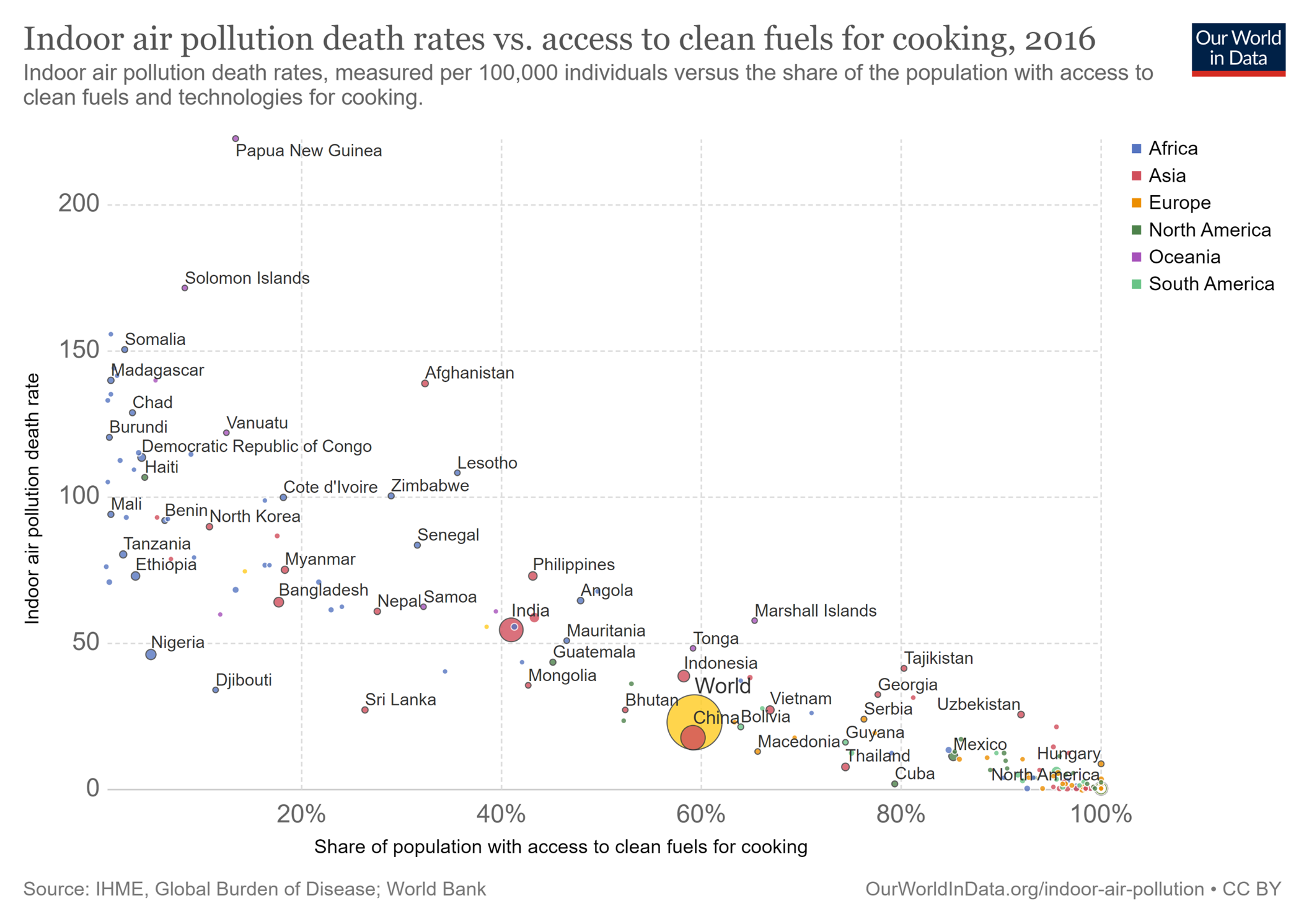
While most African farms are organic @OxfamNZ @GreenpeaceNZ @SteffanBrowning
06 Oct 2016 3 Comments
in development economics, economics of regulation, environmental economics, environmentalism, growth disasters, health economics
Seinfeld Economics: The Shower Head (black markets)
07 Sep 2016 Leave a comment
in applied price theory, applied welfare economics, comparative institutional analysis, economics, economics of media and culture, environmental economics, environmentalism, television Tags: black markets, nanny state, offsetting behaviour, Seinfeld, The fatal conceit, water economics
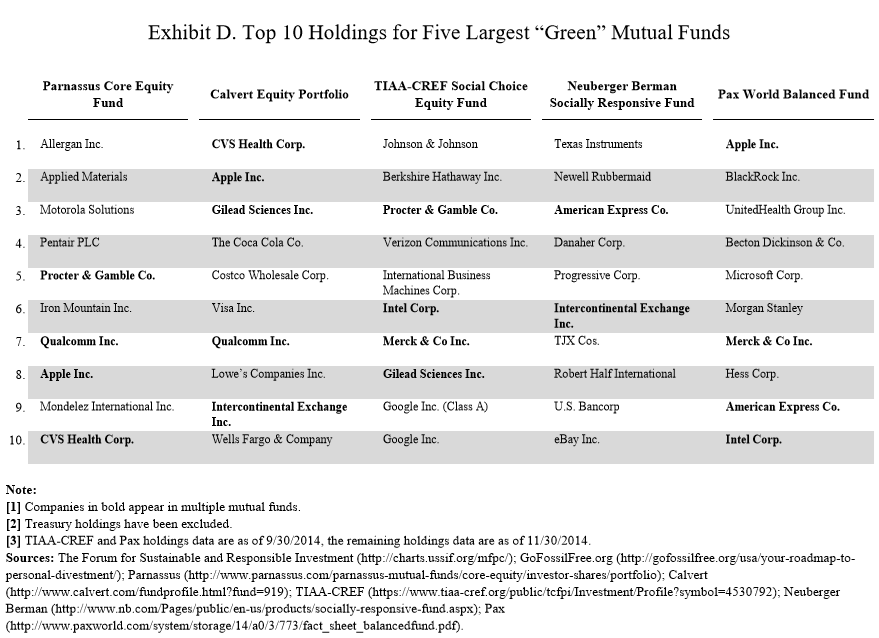
Has ethical investing ever beaten the market? @GreenpeaceNZ
29 Jul 2016 Leave a comment
in environmentalism, financial economics Tags: active investing, efficient markets hypothesis, entrepreneurial alertness, ethical investing, passive investing
VFTSX is the Vanguard social investing index fund – a fund that invests in an index made up of ethical investing funds.![]()
Source: VFTSX Vanguard FTSE Social Index Inv Fund VFTSX Quote Price News.
Why join @NZGreens rather than @nzlabour?
05 Jul 2016 1 Comment
in constitutional political economy, environmentalism, politics - New Zealand, Public Choice
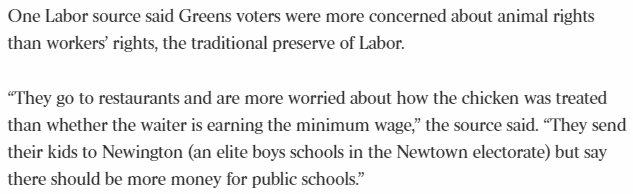
British political psychology data suggests systematically different personalities for the average green and average labour voter that may transfer to New Zealand. Greens are more than what Paul Keating described them: “a bunch of opportunists and Trots hiding behind a gumtree”.
Labour voters are more agreeable and emotionally stable but far less open to new experiences than the average green voter. Not surprisingly, within the green movement, they tend to prefer consensus in internal decision-making but are rather uncompromising and self-righteous in their policy demands. Labour parties in Australia prefer to avoid coalitions with the Greens now because of bad experiences with their uncompromising nature in previous alliances.
As greens are more likely to get upset and are far less conscientious than others on the political spectrum, maybe they are happy to be a political movement rather than a party of government?
To be a party of government requires compromise, a willingness to appeal to the average voter, and to adopt policies because they are wedge issues rather than because they are principled stands. The Labour Party wants to govern; Greens want to make a point.
Third term governments are an ugly sight because they are unlikely to be a re-elected. Labour governments in the throes of inevitable electoral defeat are very opportunistic about changing policies to have one last roll the dice to cling to office. This is something greens are much less likely to countenance. They prefer defeat over compromise.
Is @GreenpeaceNZ a pyramid scheme?
02 Jul 2016 Leave a comment
in environmentalism, politics - New Zealand
Greenpeace International spends 34% of all funds raised on fundraising; its local arm is not much better. Good to see that Greenpeace NZ pays their collectors a living wage, but not a cent more, to pester people on the street and cold-call them at home. Greenpeace has the effrontery to accuse others of being paid advocates.

Source: Greenpeace defends fundraising strategy | Stuff.co.nz
@Greenpeace thugs vandalise golden rice trial in #Pinas
02 Jul 2016 Leave a comment
in development economics, economics, environmental economics, environmentalism, health economics Tags: Anti-Science left, GMOs, Greenpeace, Philippines, terrorism
Does @JulieAnneGenter know how much an electric car costs? @GreenpeaceNZ
17 Jun 2016 Leave a comment
in energy economics, environmental economics, environmentalism, politics - New Zealand Tags: electric cars, expressive voting, fuel poverty, New Zealand Greens, Norway, tokenism
The New Zealand Greens welcomed the possibility that Norway may ban the sale of petrol driven cars in 2025. From then on Norwegians may be only able to buy an electric car.
Source: NZ electric vehicle buyers guide.
If this Norwegian policy of banning petrol cars by 2025 was repeated in New Zealand, most New Zealanders could not afford a new car or indeed any car at all. The cheapest electric car is $55,000 new and often much more. They also still have serious, indeed crippling range anxiety as the adjacent screen snapshot shows from the New Zealand electric cars buyers guide.
Tesla destroys the competition when it comes to how far its cars go on one charge buff.ly/1LphuLg http://t.co/UhIAECZIFp—
Business Insider (@businessinsider) October 17, 2015
These type of policies from the Greens show how impractical they are and how contemptuous they are of ordinary families having a decent lifestyle, affordable cars and cheap energy. The Greens prefer ordinary people to have to scrimp and save for expensive cars that lose value quickly and do not go very far.
How green art thou? #buswaysforelectriccars not #BuswaysForBuses
06 May 2016 Leave a comment
in energy economics, environmental economics, environmentalism, politics - New Zealand, transport economics, urban economics Tags: busways, do gooders, electric cars, expressive politics, global warming, trade-offs, transport lobby
Finally have something nice to say about electric cars. They will put bus lanes to good use.
A trivial percentage of people take the bus to work In New Zealand. The government has a target of doubling electric car fleet every year (from 2000 in 2016 to 64,000 in 2021).
This decision yesterday to allow them to use busways allows us to relish in seeing environmentalists feud over which technologies are green enough to have access to priority lanes on the road such as those allocated to buses.
Which is more important? Saving the planet or saving the buses; most of them are diesel? Busways are empty at the weekends and many other times.


Recent Comments