5 Types of Trump Voters
22 May 2018 Leave a comment
in politics - USA, Public Choice Tags: 2016 presidential election, voter demographics
#OTD 1840 Hobson proclaims British sovereignty over New Zealand – the North Island on the basis of cession through the Treaty of Waitangi, and South and Stewart Islands by right of discovery
21 May 2018 Leave a comment
in economic history, politics - New Zealand

Attack Ads, Circa 1800
20 May 2018 Leave a comment
in economic history, economics of information, politics - USA, Public Choice Tags: Attack Ads, economics of advertising
.@NZGreens @amnestynz would call a NZ designated terrorist #Hamas storming NZ borders a peaceful protest, not a riot, not an act of war?
20 May 2018 Leave a comment
in defence economics, economics of crime, International law, law and economics, laws of war, politics - New Zealand, war and peace Tags: Gaza Strip, Hamas, Israel, war against terror

But @SeanPlunket was hounded for saying a lot less than this about a migrant
19 May 2018 Leave a comment
in economics of media and culture, politics - New Zealand Tags: political correctness

The Chinese Exclusion Act | PBS America
19 May 2018 Leave a comment
in discrimination, labour economics, law and economics, politics - USA, television Tags: racial discrimination
Research grant to confirm that political hotheads enjoy themselves
19 May 2018 Leave a comment
in economics of information, economics of media and culture, politics - USA, Public Choice, rentseeking Tags: voter demographics

.@NZLabour @NZGreens think too many gang members are in prison or not bailed! @sst_nz
18 May 2018 Leave a comment
in economics of crime, politics - New Zealand

Prison muster falling in most years since 2010 except for gang members @sst_nz; The more gang members in prison, the better
18 May 2018 Leave a comment
in economics of crime, politics - New Zealand
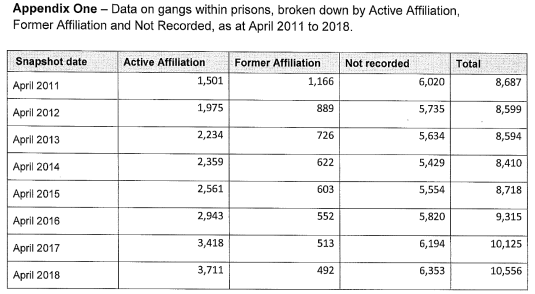
Source: released under the Official Information Act by the Department of Corrections, 18 May 2018.
John Stossel – The Power of Political Ads
18 May 2018 Leave a comment
in economic history, economics of information, politics - USA, Public Choice Tags: economics of advertising
Still chasing @PeterGluckman @ChiefSciAdvisor justice report references under OIA @sst_nz
17 May 2018 Leave a comment
in economics of crime, politics - New Zealand
“Thanks for your email.
It is unfortunate that you dressed up email exchanges and office conversations as something more than they were. You were attempting to glean credibility from watercooler conversations.
The Gluckman report refers to a briefing which implies that it is a document, but as you now advise, it refers to iterative communication between analysts. I have already asked for those emails.
If this briefing by the justice sector were conversations, you must say that the information I asked for is not available because it is impractical to recall those conversations. It would have helped if you said in the report that you are referencing conversations at work as a credible backup for a controversial policy claim.
I chat to people all the time but do not reference those conversations in anything I have ever written. If I plan to reference a conversation, I write a note for file.
People reference presentations and public lectures, but they reference them precisely as that giving the date and location and a URL whenever possible.
You must say that your briefing does not exist or cannot be found. That is the requirement when I ask for official information and you cannot find it.
It is basic to good scientific practice if you reference something you must be prepared to show it to someone when they ask for it. It is clear you cannot do that.
This official information request is well past its due date and should have been actioned and finalised a long time ago.
I asked for those emails that were part of the iterative communication between analysts repeatedly and they have not been supplied. Supply them.
If the iterative communication between our analysts were just office conversations around the so-called water cooler, own up and say the information cannot be found because they were office conversations that were not documented. I suggest you check archives and official records laws about keeping proper notes of important information.
You are perfectly aware that anything cited in the footnotes of an official document can be sought under the Act. More so if you are attempting to add credibility to a controversial social policy area.
A key purpose of the Official Information Act is to catch bureaucrats with their pants down. Saying things they cannot back up at all or exaggerating the credibility of what they are saying.”
Charles Murray: The Elites Cannot Empathize with the Working Class
15 May 2018 Leave a comment
in economics of education, economics of media and culture, politics - USA Tags: Charles Murray


Recent Comments