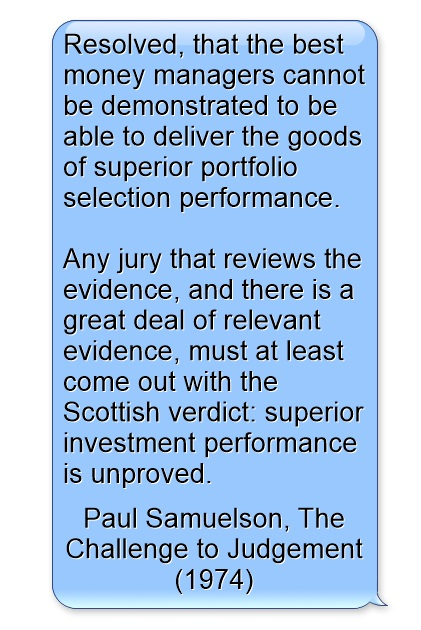
"Paul Samuelson" on the New Zealand superannuation fund beating the market
24 Feb 2015 Leave a comment
A B-25 bomber crashes into the Empire State Building, 1945
24 Feb 2015 Leave a comment
in economic history, politics - USA, transport economics Tags: Empire State Building
The economic performance of the USA, Japan and the European Union prior to the global financial crisis
23 Feb 2015 Leave a comment
in business cycles, economic growth, Edward Prescott, Euro crisis, global financial crisis (GFC), great recession, macroeconomics, politics - USA Tags: Euroland, GFC, global financial crisis

Source: Edward Prescott
How are women doing in the US when it comes to political & business leadership positions
23 Feb 2015 Leave a comment
in discrimination, economic history, economics of marriage, gender, labour economics, law and economics, occupational choice, politics - USA Tags: engines of liberation, gender wage gap
On arguments from authority
22 Feb 2015 Leave a comment
in environmental economics, environmentalism, global warming, liberalism, politics - Australia, politics - New Zealand, politics - USA Tags: climate alarmism, conjecture and refutation, philosophy of science
When fighting child poverty, don’t mention housing costs
22 Feb 2015 Leave a comment
in labour economics, liberalism, politics - New Zealand, poverty and inequality, urban economics, welfare reform Tags: child poverty, housing affordability, land supply, Left-wing hypocrisy, RMA, zoning
US post-war economic booms compared
22 Feb 2015 Leave a comment
in business cycles, economic growth, economic history, macroeconomics, politics - USA Tags: Edward Prescott

Source: Edward Prescott
The Great Enrichment since 1979 in the USA
22 Feb 2015 Leave a comment
in income redistribution, politics - USA, poverty and inequality, welfare reform Tags: capitalism and freedom, poverty and inequality, The Great Enrichment, top 1%

Over the past one-, two-, and three-decade periods, both middle class and poor households have experienced noticeable gains in living standards. Their gains are slower than those experienced by middle-income families in the earlier post-war era, but the gains are well above zero.

In 1980, in-kind benefits and employer and government spending on health insurance accounted for just 6% of the after-tax incomes of households in the middle one-fifth of the distribution. By 2010 these in-kind income sources represented 17% of middle class households’ after-tax income
…The broadest and most accurate measures of household income are published by the CBO. CBO’s newest estimates confirm the long-term trend toward greater inequality, driven mainly by turbo-charged gains in market income at the very top of the distribution. The market incomes of the top 1% are extraordinarily cyclical, however. They soar in economic expansions and plunge in recessions. Income changes since 2007 fit this pattern.
What many observers miss, however, is the success of the nation’s tax and transfer systems in protecting low- and middle-income Americans against the full effects of a depressed economy.
via Gary Burtless
Cease-fires and peace talks make it worse
21 Feb 2015 Leave a comment
in laws of war, liberalism, politics - USA, Rawls and Nozick, war and peace Tags: ceasefires, crusader foreign policies, Give war a chance, noninterventionist foreign policy, peace talks

The political divisions of North America since 1750
20 Feb 2015 Leave a comment
in economic history, politics - USA Tags: maps


Robert Lucas on Social Security entitlement reform
20 Feb 2015 Leave a comment
in applied welfare economics, politics - New Zealand, politics - USA, Robert E. Lucas Tags: ageing society, entitlement reform, Social Security reform

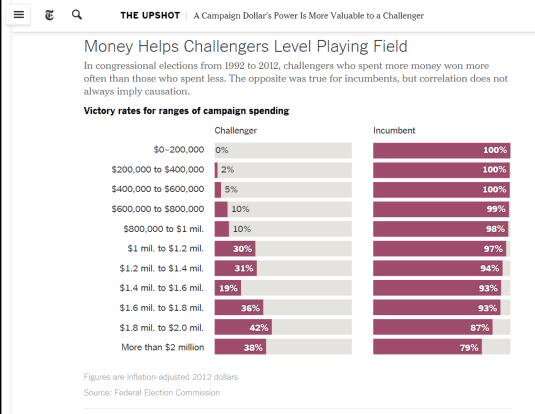
I now know why incumbents are so keen on reforms that limit donations and campaign expenditure
20 Feb 2015 1 Comment
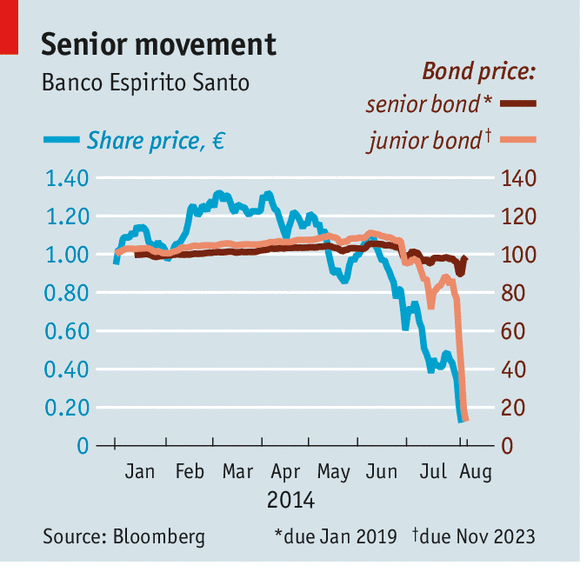
What were they thinking? NZ government super fund loses the lot on loan to already failing bank in one of the PIGS.
20 Feb 2015 Leave a comment
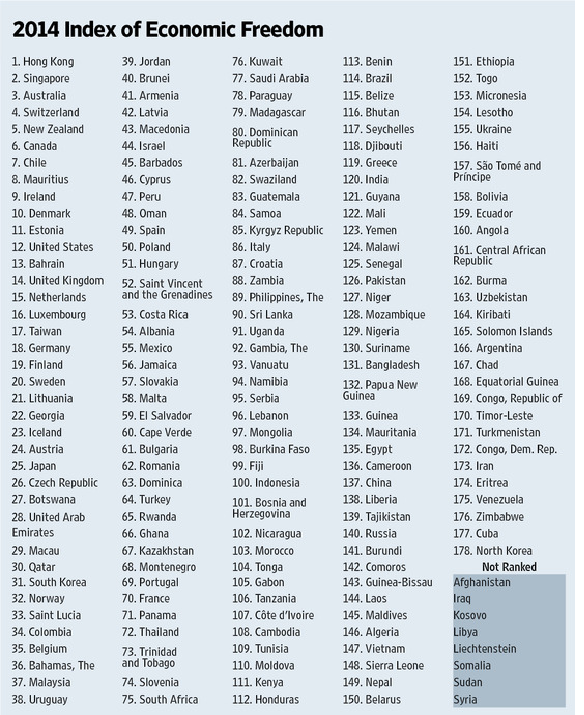
in economics of bureaucracy, entrepreneurship, financial economics, politics - New Zealand Tags: active investing, corruption, euro crisis, Index of Economic Freedom, junk bonds, passive investing, Portugal, risk diversification, state owned enterprises
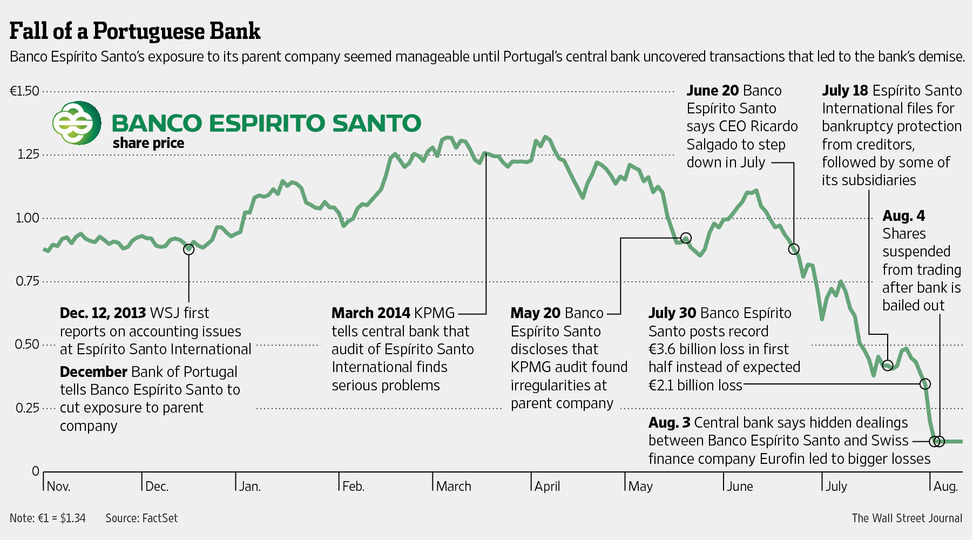
A Portuguese bank on the verge of collapse – what were they thinking?
That would have been the response of many newspaper readers this morning upon learning the New Zealand Superannuation Fund has lost nearly $200 million in taxpayers’ cash on a "risk-free" loan it provided to Lisbon-based Banco Espirito Santo (BES) on July 3.
The loan – part of a US$784 million credit package US investment bank Goldman Sachs put together through its Oak Finance vehicle – was made exactly one month before Portugal’s central bank broke up BES and split the country’s biggest lender into two, with one part holding the good assets and the toxic assets placed in the other.
Unfortunately, the Oak Finance loan is now stranded in the so-called "bad bank" following a retrospective law change by the Bank of Portugal.
Christopher Adams: What were they thinking? – Business – NZ Herald News.
This is what the 2015 index of Economic Freedom has to say about Portugal on the rule of law:
In 2013, the OECD expressed concern over Portugal’s reluctance to crack down on foreign bribery, particularly in regard to its former colonies Brazil, Angola, and Mozambique.
Since 2001, Portugal had officially acknowledged only 15 bribery allegations, and there had been no prosecutions. The judiciary is constitutionally independent, but staff shortages and inefficiency contribute to a considerable backlog of pending trials.


Recent Comments