How America politicised abortion | The Economist
08 Dec 2019 Leave a comment
in economics of crime, law and economics, politics - New Zealand, politics - USA, property rights Tags: 2020 presidential election, abortion law reform
Vaccines are free so don’t blame poverty @DomPost
07 Dec 2019 Leave a comment
in health economics, politics - New Zealand, poverty and inequality Tags: child poverty, family poverty, infant mortality, vaccinations, vaccines

.@ProfDBernstein on religion versus antidiscrimination laws
06 Dec 2019 Leave a comment
in discrimination, economics of religion, law and economics, politics - Australia, politics - New Zealand, politics - USA Tags: Freedom of religion, political correctness, regressive left
Champ and Freeman on bank capital reserves
05 Dec 2019 Leave a comment
in applied price theory, applied welfare economics, business cycles, economic history, economics of information, economics of regulation, financial economics, global financial crisis (GFC), great depression, great recession, industrial organisation, macroeconomics, monetary economics, politics - New Zealand, Public Choice, survivor principle Tags: adverse selection, agent principal problem, deposit insurance, economics of central banking, monetary policy, moral hazard, prudential regulation

Marijuana referendum Yes case needs rescuing, fast
04 Dec 2019 Leave a comment
in applied welfare economics, economics of crime, economics of regulation, politics - New Zealand
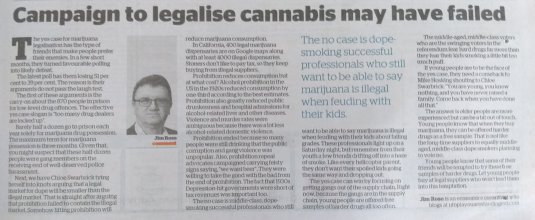
The Yes case for marijuana legalisation in the past few short months have turned favourable polling into a likely defeat. The reason is their current arguments do not pass the laugh test.
The first of these arguments is to carry on about the 870 people currently in prison for low-level drug offences. The effective Yes case slogan is “Too many drug dealers are in prison”. Not a winner.

Only seven people were sent to prison last year just for marijuana drug possession. The maximum term for marijuana possession is three months. Given that, you might suspect that those seven people were mostly gang members on the receiving end of some well-deserved police harassment.
Next up we have Chloe Swarbrick tweeting herself most earnestly into knots arguing that a legal market for marijuana will be smaller than the current illegal market. That claim is straight after long arguing that prohibition failed to contain consumption of marijuana. Somehow less regulation will reduce cannabis consumption and the harm that goes with it than a complete ban.

The Yes case can’t have it both ways. Argue that the war on drugs was lost long ago because everyone has easy access to marijuana if they want it but then argue legalisation will reduce access because users will only use legal outlets and pay tax.
You can find your nearest marijuana shop on Google maps and on marijuana apps in California; both the 400 odd legal marijuana dispensaries along with at least 4000 illegal dispensaries. Illegal marijuana is readily available and 50% cheaper than from the legal supply in Canada. That assumes you are near the about five or so shops in your entire province that legally sell marijuana.
Prohibition is supposed to always fail but alcohol prohibition in the US in the 1920s was more effective than commonly thought, especially if you base your knowledge on TV gangster programs. Prohibition reduced alcohol consumption in the 1920s by 1/3rd in the USA by the best estimates. Prohibition also greatly reduced public drunkenness and hospital admissions for alcohol-related liver and other diseases. Trends in violence and murders were even ambiguous because there were many more gangland murders but there was also less alcohol-related domestic violence.
Prohibition ended because so many people were still drinking that the public corruption and gang violence became unpopular. Also, prohibition repeal advocates campaigned openly carrying signs saying ‘we want beer’. They were willing to take the good with the bad from the end of prohibition. The fact that 1930s depression hit governments were short of tax revenues was important too.
The experience in the USA and Canada is the illegal trade continues, often to avoid tax. Existing drug dealers lack the clean records to be licensed legally so they stay in business illegally selling tax free. The cover of legality turns legal marijuana states into export states including to Mexico. It can’t be ruled out that if marijuana is legalised here, we will become a cannabis exporter to Australia!
Legal dispensaries may well card check the age of their buyers. But age restrictions have not stopped teenagers having an older mate buy for them or use a fake ID. The District Court regularly convicts licensed premises for selling alcohol to the underaged after a police sting operation. Using a fake ID requires less courage and bluster at a legal dispensary than going to a gang tinny house.
The last time I attended a nightclub, a long time ago I must admit when I was in my late-20s, everyone but my two friends and I were card checked at the door. We notice this because we were drinking for an hour in sight of the door to the nightclub upstairs. We found everyone being card checked amusing and this led us to go upstairs to see if we were card checked. When we walked inside the popular nightclub, we seemed to be the only patrons in the place that looked over 18.
If the Yes case is to win, and I wanted to win, it must show that there is a net benefit from more people using marijuana. The harm reduction model that is currently the flagship of the Yes case must explain why an up to 1/3rd increase in cannabis use is a net social benefit but it cannot. The Yes case must stop denying that there are hard social trade-offs to be made if marijuana is to be legalised.
The No case is middle-class, dope smoking successful professionals still want to be able to say marijuana is illegal when feuding with their kids about bad grades. These successful professionals light up a joint on a Saturday night, but remember friends at university drifting off into a haze of smoke. They don’t want their all too often spoilt kids going the same way and dropping out.
The Yes case can win by focusing on getting gangs out of the supply chain. Right now, because the gangs are in the supply chain, young people are offered free samples of harder drugs all too often.
The middle-aged, middle-class, dope smoking voters who are the swinging voters in the referendum fear hard drugs use far more than they fear their kids smoking a little bit too much puff.
If young people are to be the face of the Yes case, they need a comeback to Mike Hosking saying you are young, you know nothing, you have never raised a family. Come back when you have done that. Perhaps it is a bit of karma when young activists are caught short by the lived experience argument used by Mike Hosking, an argument they so often deploy themselves to close down discussion.
The answer to the lived experience of Mike Hosking as a parent is older people are certainly more experienced but can be crotchety, stubborn and sometimes a bit out of touch. Young people know that when they buy marijuana, they can be offered free samples of harder drugs. That is not like the long-time respectable middle-class suppliers to equally middle-aged dope smoking parents who are planning to vote No if they don’t hear any better arguments than treated dope as a health issue.
Young people know that some of their friends will be tempted to try these free samples of harder drugs. Let young people buy at legal suppliers who will not lead them into this temptation.
Did @MasseyUni buckle to Chinese embassy pressure to take down Hong Kong protest posters?
02 Dec 2019 Leave a comment

@AmnestyNZ complains despite frequent grant of asylum to uncooperative refugees on minimal information
02 Dec 2019 Leave a comment
Parliament staying its hand on a 2004 private member’s bill didn’t stop @NZHumanRights from amending the law! It stands as regent over our parliament, dealing out victories that cannot be won on the floor of Parliament through normal democratic means?
01 Dec 2019 Leave a comment

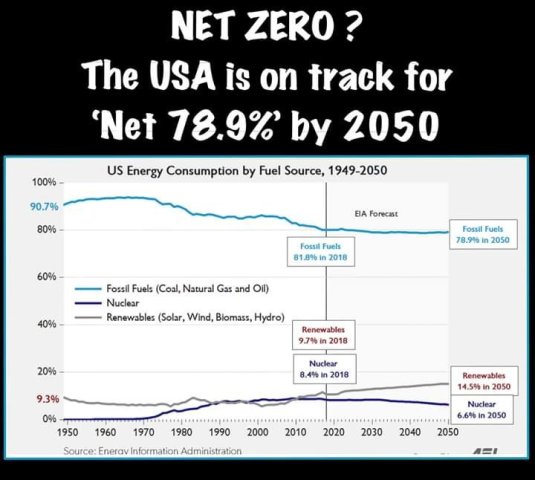
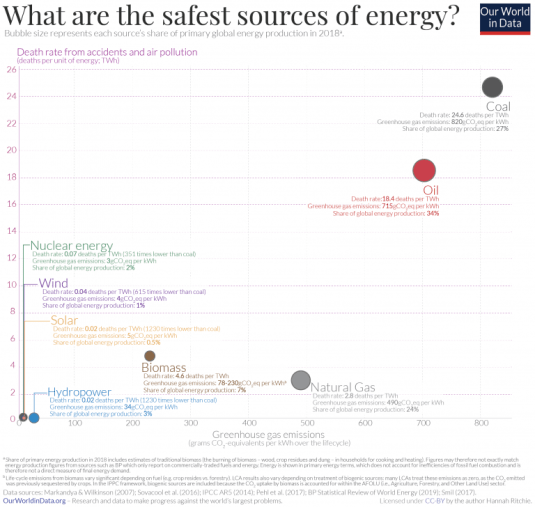
Michael Shellenberger: the lost souls of the green movement — The Brendan O’Neill Show
01 Dec 2019 Leave a comment
in economic history, environmental economics, global warming, politics - Australia, politics - New Zealand, politics - USA Tags: anti-intellectualism, anti-market bias, expressive voting, nuclear energy, pessimism, regressive left, solar power, wind power
Badge of honour
01 Dec 2019 Leave a comment
in administration, defence economics, politics - New Zealand, war and peace Tags: regressive left

Why so much rule breaking?
01 Dec 2019 Leave a comment
in discrimination, economics of crime, gender, labour economics, labour supply, law and economics, occupational choice, politics - Australia, politics - New Zealand, politics - USA, poverty and inequality Tags: law and order
@AmnestyNZ claims claims Manus island asylum seekers “can never leave” PNG. 42% returned home so Amnesty complains about that too
30 Nov 2019 Leave a comment
in economics of crime, Economics of international refugee law, international economic law, international economics, International law, law and economics, politics - Australia, politics - New Zealand, Public Choice Tags: PNG, regressive left

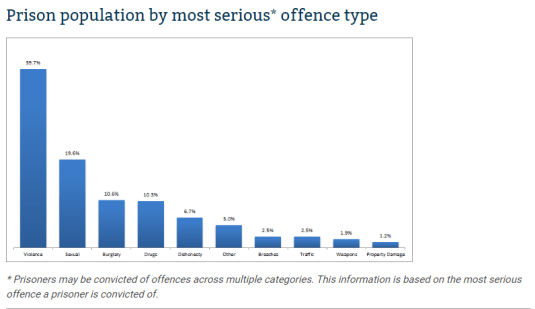
Is this re-imprisonment high or low? @sst_nz @justspeaknz @NZJusticeIdeas @actionstations
29 Nov 2019 Leave a comment


Recent Comments