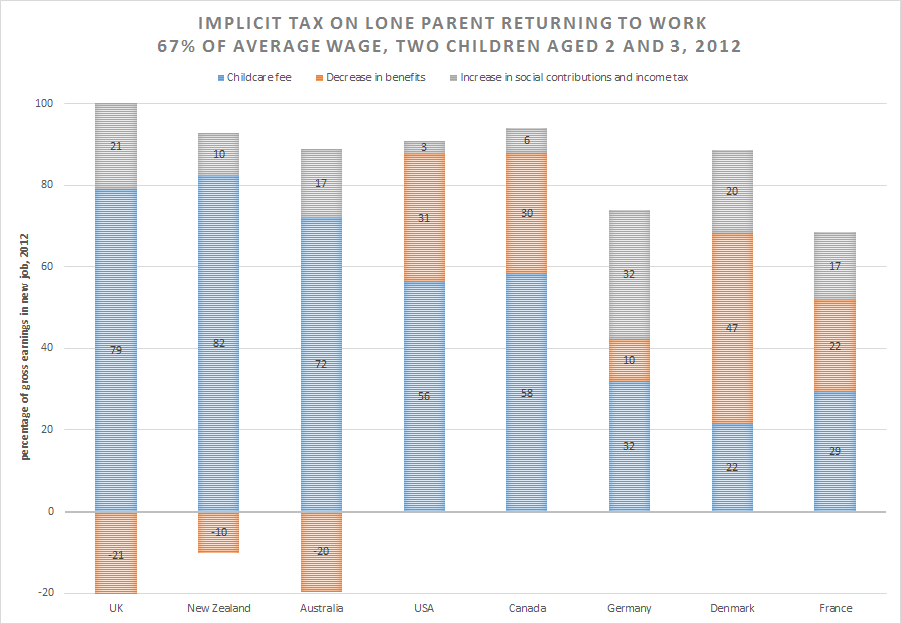
Source: Economic Policy Reforms: Going for Growth – OECD (2016).
Celebrating humanity's flourishing through the spread of capitalism and the rule of law
28 Feb 2016 Leave a comment
in applied price theory, fiscal policy, labour economics, labour supply, politics - Australia, politics - New Zealand, politics - USA, poverty and inequality, public economics, welfare reform Tags: poverty traps, single mothers, single parents, social insurance, taxation and labour supply, welfare state
26 Feb 2016 Leave a comment
in economics of media and culture, liberalism, politics - USA
https://twitter.com/politicsinmemes/status/702895866613514240

Source: Someone on Twitter is engaging in abusive or harassing behavior. | Twitter Help Center.
25 Feb 2016 Leave a comment
in economic history, entrepreneurship, industrial organisation, politics - USA, survivor principle Tags: 2016 presidential election, billionaires, Denmark, entrepreneurial alertness, Finland, inherited wealth, Norway, superstar wages, superstars, Sweden
OK, Nordic billionaire population sizes might be small, but plenty more billionaires make their own money in neoliberal USA than in Bernie Sanders’ Utopia

24 Feb 2016 Leave a comment
in Economics of international refugee law, politics - Australia, politics - New Zealand, politics - USA Tags: asylum seekers, cognitive psychology, psychology of persuasion, refugee policy
24 Feb 2016 Leave a comment
in economic growth, economic history, macroeconomics, politics - USA Tags: 2016 presidential election, grates, left-wing populists, Paul Krugman, quackery, rational irrationality
23 Feb 2016 Leave a comment
in applied welfare economics, energy economics, environmental economics, politics - New Zealand, politics - USA, Public Choice, resource economics Tags: climate alarmism, green economy, green rent seeking
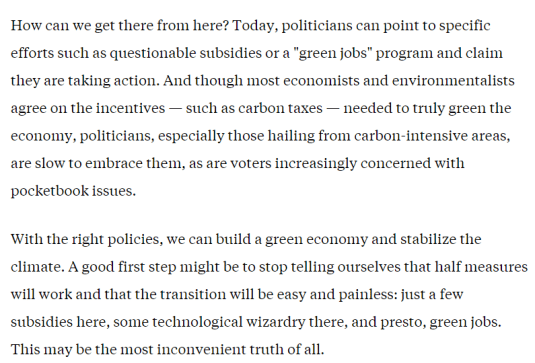
Source: Matthew Kahn (2009) Think Again: The Green Economy | Foreign Policy
23 Feb 2016 Leave a comment
in applied price theory, economic growth, fiscal policy, macroeconomics, politics - USA
https://twitter.com/TheNewDeal/status/696864555658539008
As a contrast against the Bernie Sanders tax-and-spend high-growth plan, the Edward Prescott plan is:
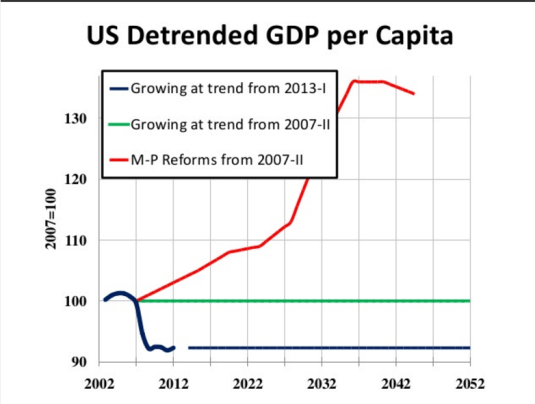
Source: Edward C. Prescott – Importance of Good Governance for Economic Prosperity.
The difference between the Prescott and Sanders plans is Prescott delivers high growth through massive supply-side reforms that include the abolition of taxes on income from capital, mandatory savings for retirement along with much lower marginal tax rates.
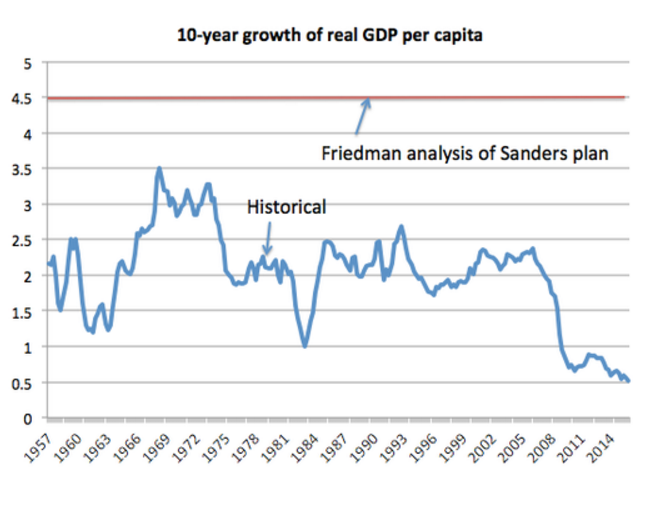
The Sanders plan argues that if you tax people a lot more, there is more growth, more investment, more innovation and entrepreneurship and greater labour supply. There is no historical precedent for that as an outcome from higher taxes.
In the case of Prescott, the disagreement is over how large are his growth dividends. In the case of the Sanders band, only one economist agrees that his plan will increase growth. Despite that, he is still voting for Hillary Clinton.
23 Feb 2016 Leave a comment
in economic history, politics - USA, public economics Tags: company taxes, taxation and entrepreneurship, taxation and investment, taxation and labour supply, World War II
Quiz question: spot the Reagan revolution?
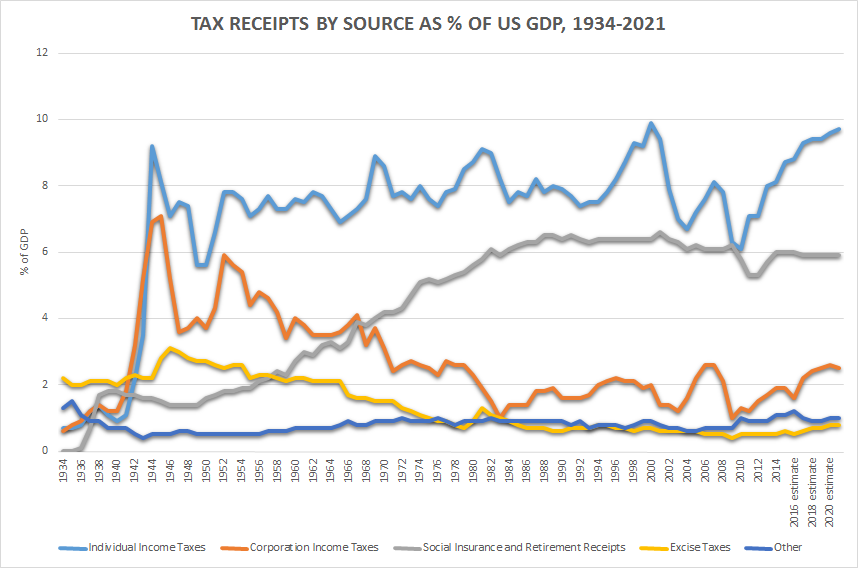
Source: The President’s Budget for Fiscal Year 2017, Historical Tables | The White House, table 2.3.
23 Feb 2016 Leave a comment
in energy economics, environmental economics, fiscal policy, politics - USA, public economics, rentseeking
23 Feb 2016 Leave a comment
in applied price theory, comparative institutional analysis, constitutional political economy, economic history, economics of media and culture, economics of regulation, labour economics, macroeconomics, Marxist economics, politics - USA Tags: 2016 presidential election, antiforeign bias, antimarket bias, British politics, Leftover Left, make-work bias, rational ignorance, rational irrationality, renegade Left, Twitter left

22 Feb 2016 Leave a comment
in applied welfare economics, politics - USA

Source: Compare The United States To Denmark.
22 Feb 2016 Leave a comment
in fiscal policy, politics - USA
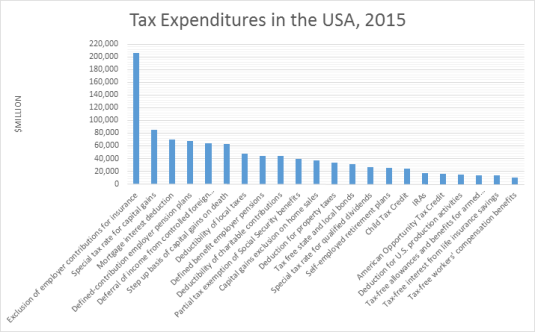
Source: Closing Tax ‘Loopholes’ Would Choke the Middle Class – Bloomberg View from Office of Management and Budget.
Celebrating humanity's flourishing through the spread of capitalism and the rule of law
Celebrating humanity's flourishing through the spread of capitalism and the rule of law
Celebrating humanity's flourishing through the spread of capitalism and the rule of law
Celebrating humanity's flourishing through the spread of capitalism and the rule of law
Celebrating humanity's flourishing through the spread of capitalism and the rule of law
A History of the Alt-Right
Econ Prof at George Mason University, Economic Historian, Québécois
Celebrating humanity's flourishing through the spread of capitalism and the rule of law
Scholarly commentary on law, economics, and more
Beatrice Cherrier's blog
Celebrating humanity's flourishing through the spread of capitalism and the rule of law
Celebrating humanity's flourishing through the spread of capitalism and the rule of law
Celebrating humanity's flourishing through the spread of capitalism and the rule of law
Why Evolution is True is a blog written by Jerry Coyne, centered on evolution and biology but also dealing with diverse topics like politics, culture, and cats.
Celebrating humanity's flourishing through the spread of capitalism and the rule of law
A rural perspective with a blue tint by Ele Ludemann
DPF's Kiwiblog - Fomenting Happy Mischief since 2003
Celebrating humanity's flourishing through the spread of capitalism and the rule of law
The world's most viewed site on global warming and climate change
Tim Harding's writings on rationality, informal logic and skepticism
A window into Doc Freiberger's library
Let's examine hard decisions!
Commentary on monetary policy in the spirit of R. G. Hawtrey
Thoughts on public policy and the media
Celebrating humanity's flourishing through the spread of capitalism and the rule of law
Politics and the economy
A blog (primarily) on Canadian and Commonwealth political history and institutions
Reading between the lines, and underneath the hype.
Economics, and such stuff as dreams are made on
"The British constitution has always been puzzling, and always will be." --Queen Elizabeth II
Celebrating humanity's flourishing through the spread of capitalism and the rule of law
Celebrating humanity's flourishing through the spread of capitalism and the rule of law
WORLD WAR II, MUSIC, HISTORY, HOLOCAUST
Undisciplined scholar, recovering academic
Celebrating humanity's flourishing through the spread of capitalism and the rule of law
Res ipsa loquitur - The thing itself speaks
In Hume’s spirit, I will attempt to serve as an ambassador from my world of economics, and help in “finding topics of conversation fit for the entertainment of rational creatures.”
Researching the House of Commons, 1832-1868
Articles and research from the History of Parliament Trust
Reflections on books and art
Posts on the History of Law, Crime, and Justice
Celebrating humanity's flourishing through the spread of capitalism and the rule of law
Exploring the Monarchs of Europe
Cutting edge science you can dice with
Small Steps Toward A Much Better World
“We do not believe any group of men adequate enough or wise enough to operate without scrutiny or without criticism. We know that the only way to avoid error is to detect it, that the only way to detect it is to be free to inquire. We know that in secrecy error undetected will flourish and subvert”. - J Robert Oppenheimer.



Recent Comments