Could You REALLY Survive A Trip To Mars? | Answers With Joe
06 Sep 2020 Leave a comment
in economics of media and culture Tags: Mars
What It’s REALLY like to Own a RAGDOLL KITTEN! (Day in the Life) 🐱 Ep. 1
06 Sep 2020 Leave a comment
The war is two years old – WW2 – 106 – September 5, 1941
06 Sep 2020 Leave a comment
in defence economics, laws of war, war and peace Tags: World War II
Extinction Rebellion facing ‘organised crime’ curbs
06 Sep 2020 Leave a comment


Looks like the UK government and the police are finally getting tired of allowing themselves to be made to look weak by XR climate buffoons. Tolerance doesn’t work with fanatics.
H/T The GWPF
– – –
Extinction Rebellion could be treated as an organised crime group as part of a major crackdown on its activities that may also include new protections for MPs, judges and the press, the Telegraph can disclose.
Whitehall sources said Boris Johnson and Priti Patel have asked officials to take a “fresh look” at how the group is classified under the law, after the Prime Minister described its blockading of major printing presses as “completely unacceptable”.
On Saturday, police were criticised for failing to act more quickly after the blockade began on Friday evening.
Hertfordshire police faced anger for stating that officers were “working to facilitate the rights of both the protesters and those affected by…
View original post 187 more words
Code Black: Mass Blackouts Just Beginning of California’s Renewable Energy Debacle
06 Sep 2020 Leave a comment


California’s a place renowned for its woolly-headed thinking, not least its suicidal obsession with chaotically intermittent wind and solar.
A couple weeks back, during a blistering Californian Summer, a spike in electricity demand (think millions of air conditioners running at full tilt) combined with calm weather, desert cloud cover and, later, sunset to leave millions of Californians sweating it out in the dark. No doubt wondering about where their next kilowatt might come from.
Not content with wrecking their power supply, Californian policymakers now want to, of all things, force an increase in demand for the most costly and erratically supplied electricity in the US. Robert Bryce takes us on another trip down the rabbit hole that is Californian energy policy.
Blackouts Expose Perils And Costs Of California’s ‘Electrify Everything’ Push
Forbes
Robert Bryce
18 August 2020
The blackouts that hit California over the past few days exposed the fragility…
View original post 1,160 more words
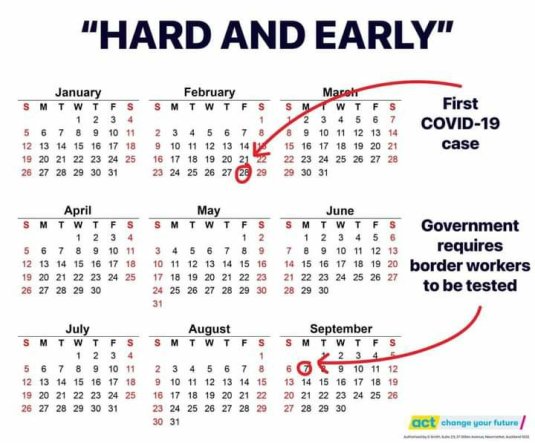
#JacindaGap #COVID19 #OTD
06 Sep 2020 Leave a comment
in economics of bureaucracy, health economics, law and economics, politics - New Zealand, Public Choice Tags: economics of pandemics
Does Income Inequality Cause Poor Health?
06 Sep 2020 Leave a comment

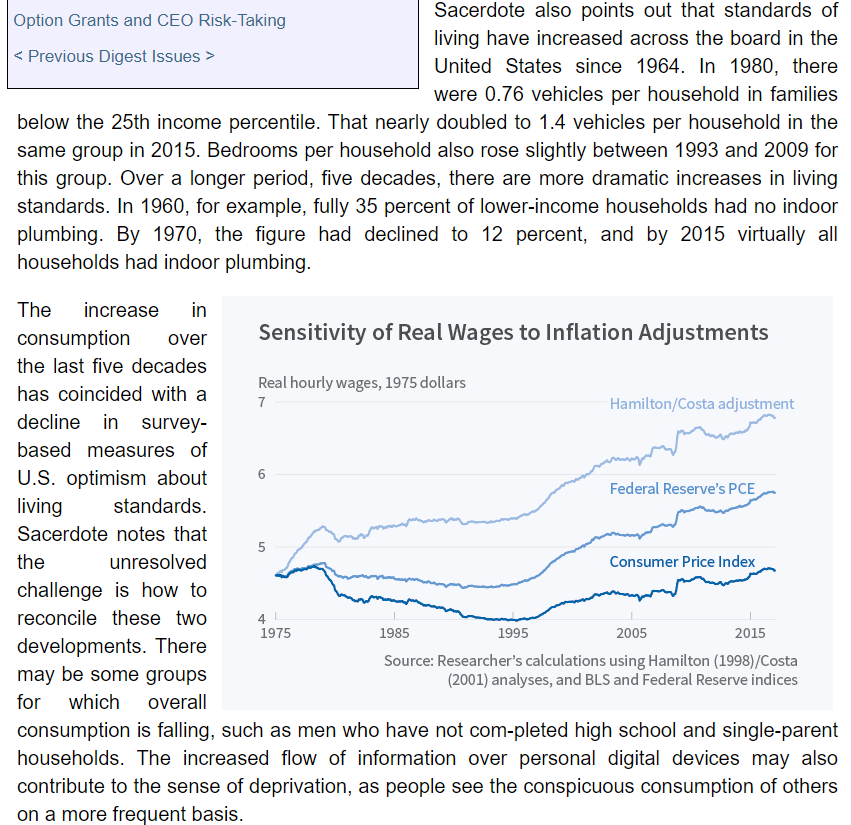
Paul Kelleher caught some flack for a blog post last week in which he approvingly cited a 2003 study by Angus Deaton and Darren Lubotsky (DL) that supposedly refutes the idea that income inequality causes poor health. I was curious. Paul sent me the original paper, a 2009 published critique by Ash and Robinson (AR), a reply by DL, and a longer article by Deaton.
Even though the original DL paper is getting old, and the field has progressed substantially since 2003, there is still an important take home message from this debate. Stated simply: income inequality may be one cause of poor health, but income inequality is also likely to be a mediator of other upstream causes of mortality.
View original post 982 more words
#COVID19 #OTD
06 Sep 2020 Leave a comment
in health economics, politics - Australia Tags: economics of pandemics, unintended consequences

Even 7% of demonstrations turning into riots is still a lot of riots
06 Sep 2020 Leave a comment
in economics of crime, law and economics, politics - USA

Class war cancelled @AOC @BernieSanders @SenWarren
06 Sep 2020 Leave a comment
in economic history, labour economics, politics - USA, poverty and inequality
From The NEP-HIS Blog: Fifty Years of Growth in American Consumption, Income, and Wages
06 Sep 2020 Leave a comment

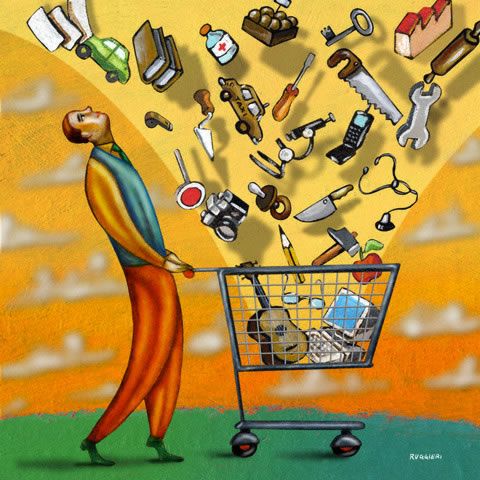
Fifty Years of Growth in American Consumption, Income, and Wages By Bruce Sacerdote (Darmouth) Abstract: Despite the large increase in U.S. income inequality, consumption for families at the 25th and 50th percentiles of income has grown steadily over the time period 1960-2015. The number of cars per household with below median income has doubled since […]
via Is the Glass Half Full?: Positivist Views on American Consumption — The NEP-HIS Blog
Richard Sander on affirmative action and education mismatch
06 Sep 2020 Leave a comment
in applied price theory, applied welfare economics, discrimination, economics of bureaucracy, economics of education, gender, human capital, income redistribution, labour economics, labour supply, law and economics, occupational choice, politics - USA, poverty and inequality, Public Choice, rentseeking Tags: affirmative action, offsetting behaviour, racial discrimination, regressive left, sex discrimination, The fatal conceit, unintended consequences


Recent Comments