
Inflation – “Headline” & “Core”
15 Apr 2020 Leave a comment

There has been a lot of discussion recently on “measures” of inflation. The popular debate usually revolves around the particular “index” which the Fed should target or use as an indicator of future inflation. Should the Fed look at “headline” inflation or at “core” inflation?
Just to give a few (of many available) examples, in a recent post Steve Williamson concludes:
I don’t see anything solid that justifies the Fed’s focus on core inflation measures. Indeed, one could, I think, make a better case for looking at headline inflation measures.
In a NYT op ed, Laurence Meyer, former Fed governor writes:
So in the ’70s, increases in food and gas prices affected both core and overall inflation. Some believe this is still the case today. But it isn’t. Since the inflationary era ended in the early ’80s, the Fed has earned a reputation for keeping inflation in check. For…
View original post 544 more words
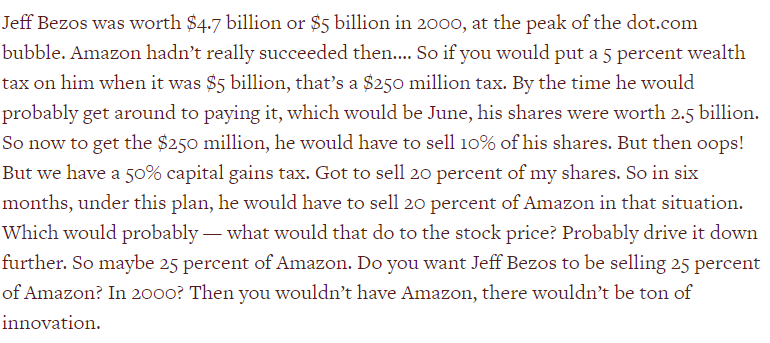
For @BernieSanders @AOC @SenWarren voters relying on @Amazon in the lockdown by Steve Kaplan
14 Apr 2020 Leave a comment
in applied price theory, economic history, entrepreneurship, financial economics, human capital, income redistribution, labour economics, Marxist economics, occupational choice, politics - USA, poverty and inequality, public economics Tags: envy, taxation and entrepreneurship, taxation and investment, top 1%
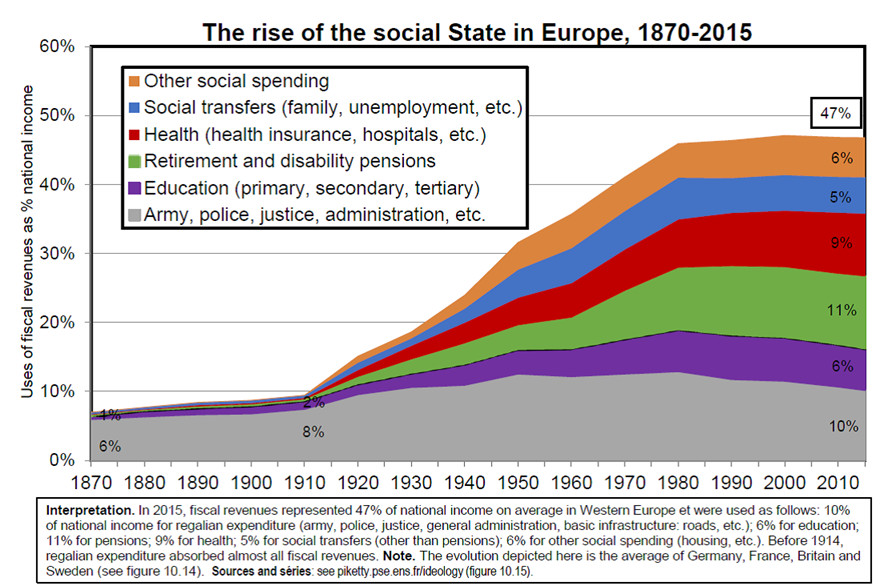
The growth of government stopped in Europe in the 1980s
14 Apr 2020 Leave a comment
in economic history, fiscal policy, public economics
Proposals for a ‘virtual parliament’: how should parliamentary procedure and practices adapt during the coronavirus pandemic?
14 Apr 2020 Leave a comment


 Parliamentary scrutiny is essential to checking and legitimising government decisions. But the coronavirus crisis, during which government has been granted unprecedented powers, creates obvious challenges for parliament. Ruth Fox and Meg Russell argue that parliamentary change during the crisis must follow three core principles: first, parliament should go virtual insofar as possible; second, it should adapt its procedures accordingly, prioritising the most critical business; third, decisions about these changes should be open and consultative — to avoid the risk of a government power grab — should be strictly time-limited, and be kept under regular review.
Parliament has an essential role as the guardian of our democracy. But the coronavirus pandemic poses a huge and unprecedented challenge: how can parliamentarians conduct their core constitutional duties of holding the government to account, assenting to finance, passing legislation, and representing their constituents, when we are all required to adopt rigorous social distancing and…
View original post 3,195 more words
Question for @GreenpeaceAP @Greens @NZGreens @oxfam
14 Apr 2020 Leave a comment
in energy economics, environmental economics, global warming, health economics Tags: climate alarmists, economics of pandemics, regressive left

Early @Greenpeace @Greens @NZGreens @oxfamnz
14 Apr 2020 Leave a comment
in economic history, environmental economics, Marxist economics, politics - Australia, politics - New Zealand, politics - USA Tags: pessimism bias

Eight Weeks Behind: Clarifying the Early U.S. Coronavirus Testing Failure
14 Apr 2020 Leave a comment

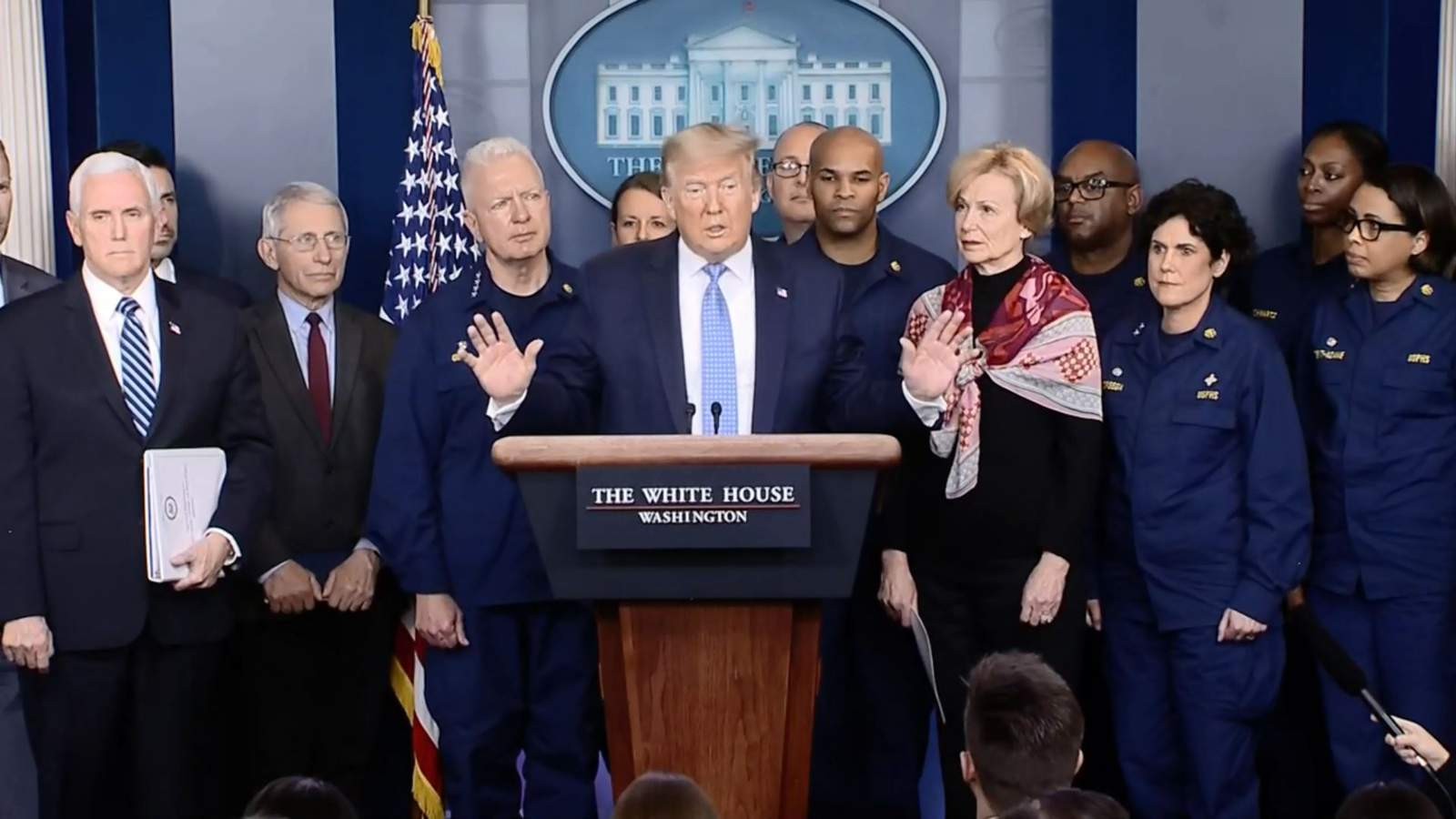
Bottom line: It is normal for the US government to develop its own disease testing under CDC. Experts in CDC are typically very good at it. But in the case of coronavirus, the US government developed a flawed test, creating lengthy delays in testing and in parallel left obstacles in place that would have shortened the delay. Meanwhile, U.S. government officials have repeatedly misled the public and policy makers. In total, more than 8 weeks were lost due to policy failure. This post explains and documents this remarkable policy failure.
View original post 1,625 more words
Charting coronavirus – down the rabbit hole…
14 Apr 2020 Leave a comment

I’ve been doing a bit more digging into the data on COVID-19 deaths and some of the different ways to chart the progression of the new coronavirus. Mostly I’m just catching up with thinking already done by others, but hopefully this will still be interesting.
On Saturday I tweeted a link to a handy (if grim) tool produced by ‘Our World In Data’, which allows anyone to draw their own charts. I illustrated this with a simple chart of the total number of reported deaths per million people for a selection of European countries, including the UK (pasted below). On this metric alone, the UK is currently performing less badly than some of its peers – but also worse than some others.
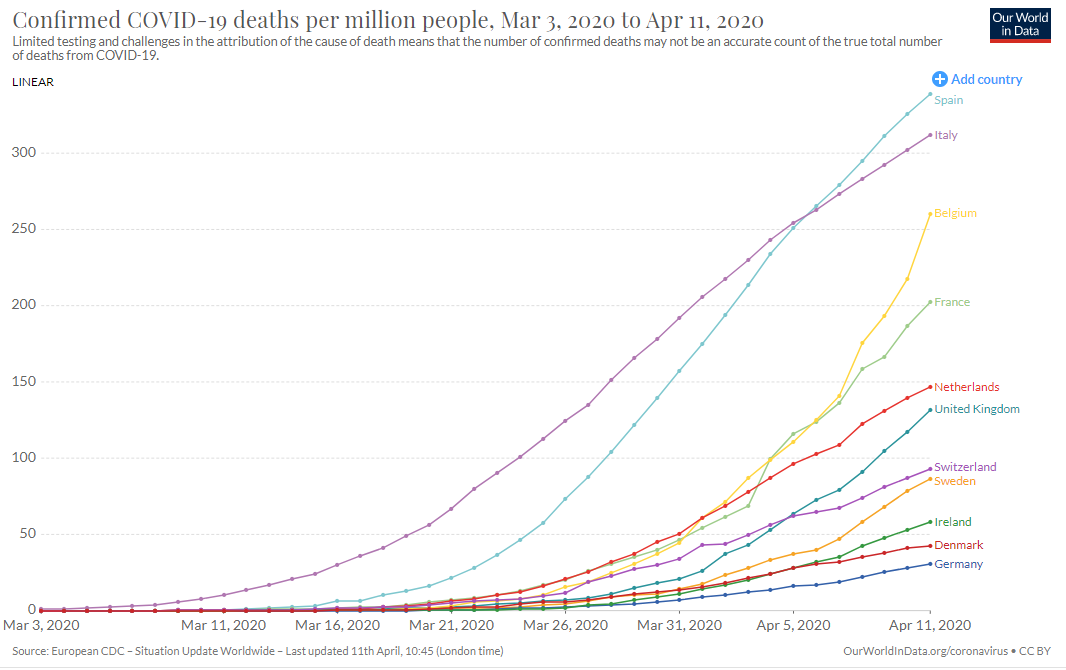
Of course, this isn’t a competition, and there is a tragedy behind every number. But I still think it’s worth asking why such large differences exist and whether this…
View original post 1,459 more words
The Treasury’s economic scenarios
14 Apr 2020 Leave a comment

The Treasury this morning released a report to the Minister of Finance offering several scenarios for how the economy might develop over the next few years. Before getting into the substance, there are a few points worth noting:
- these are not forecasts, but are best seen as conditional projections (mostly on unchanged macro policy – fiscal and monetary – and then various different assumptions about the extent of the (a) the policy restrictions, and (b) the state of the world economy,
- note that “unchanged fiscal policy” here includes the fact that the current wage subsidy scheme expires in June (in fact, much of what will be paid has already been paid, since it is a lump-sum scheme from government to firms),
- two of the scenarios allow for some fairly significant additional government spending,
- none of the scenarios seems to explore different assumptions about the how the private sector responds (all…
View original post 1,539 more words


Recent Comments