Free banking theory: Larry White and Juan Ramón Rallo
10 Apr 2020 Leave a comment
in Austrian economics, economic history, economics of regulation, financial economics, industrial organisation, law and economics, macroeconomics, monetary economics, property rights Tags: free banking
Inside the Secret World of Russia’s Cold War Mapmakers
10 Apr 2020 Leave a comment

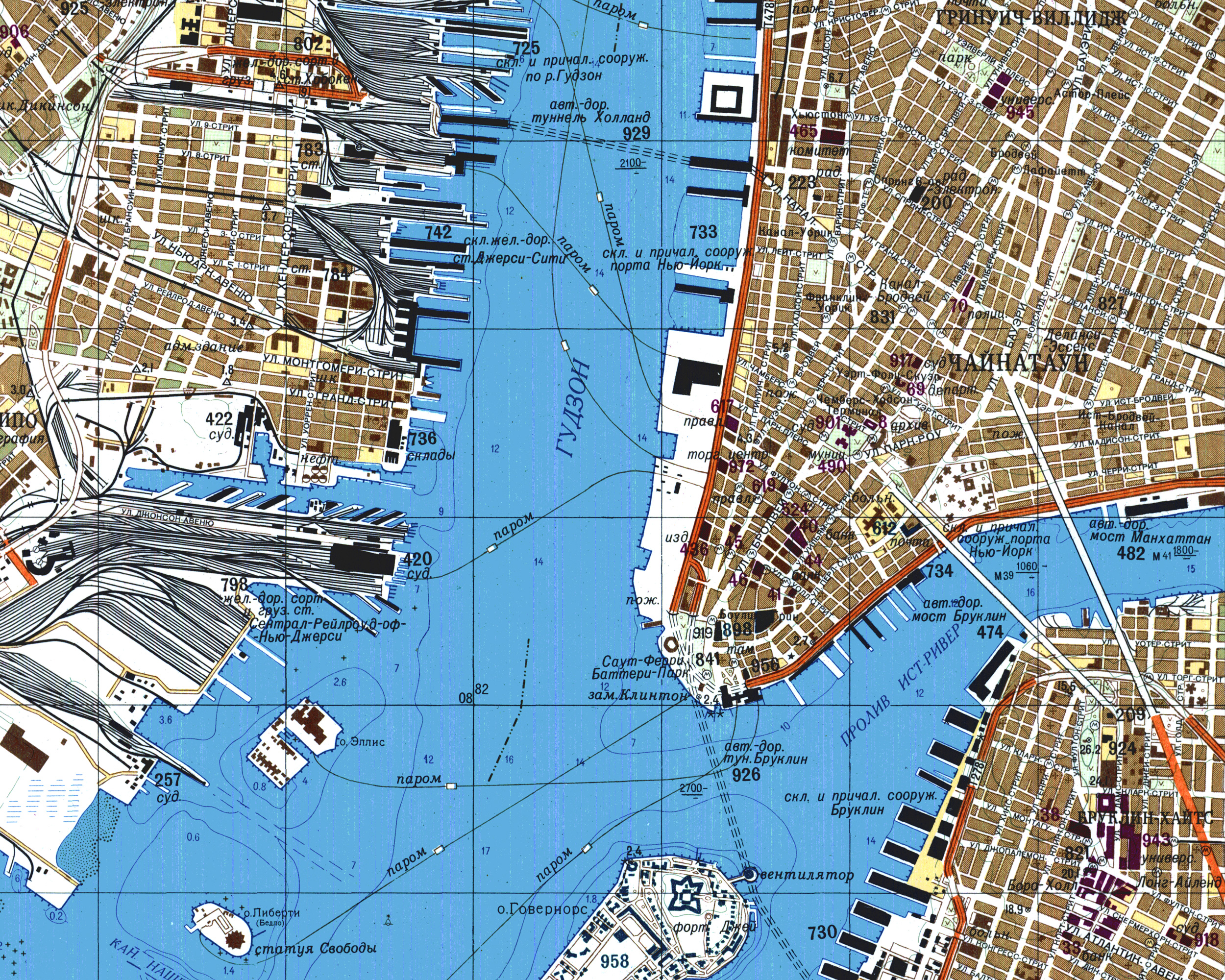
A MILITARY HELICOPTERwas on the ground when Russell Guy arrived at the helipad near Tallinn, Estonia, with a briefcase filled with $250,000 in cash. The place made him uncomfortable. It didn’t look like a military base, not exactly, but there were men who looked like soldiers standing around. With guns.
The year was 1989. The Soviet Union was falling apart, and some of its military officers were busy selling off the pieces.
This article details one of the most ambitious—and secretive—cartographic endeavors of all time and how it came to light in the West. Continue reading at Wired, where it was originally published.
Elder Abuse: Renewable Energy Obsession Leaves Millions of Grannies Freezing In The Dark
10 Apr 2020 Leave a comment


As night follows day, rocketing power prices are the inevitable consequence of the inevitable transition to subsidised and unreliable wind and solar.
The burden of all that glorious virtue signalling falls disproportionately on those on low and fixed incomes. Add the normal path of decrepitude, frailty and illness to impecuniousity and you’ve got a recipe for a national health disaster.
Enduring frigid weather in unheated homes is one of the biggest killers of the elderly. With power prices now so prohibitive, the poor and vulnerable drop like flies every winter as they ration their power use or find themselves cut from the grid, incapable of paying for power, at all.
That first world countries now see hundreds of thousands of households suffering energy poverty as a new ‘normal’ is criminal. Particularly when all of this was perfectly predictable and perfectly avoidable.
As the elderly face the existential (passing) threat of COVID-19, spare…
View original post 258 more words
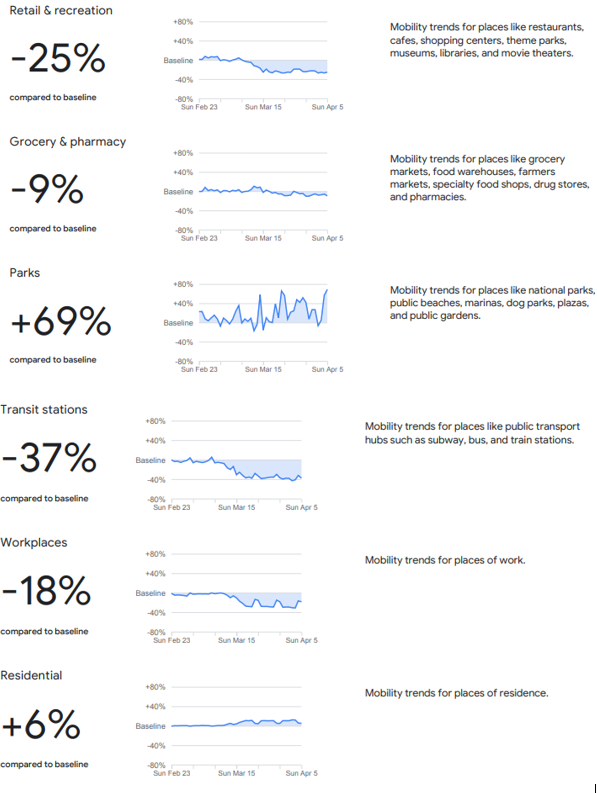
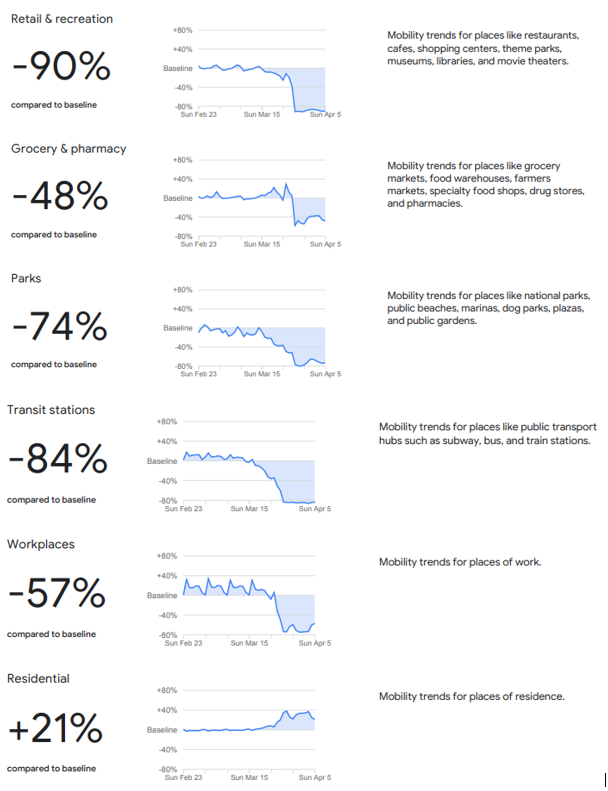
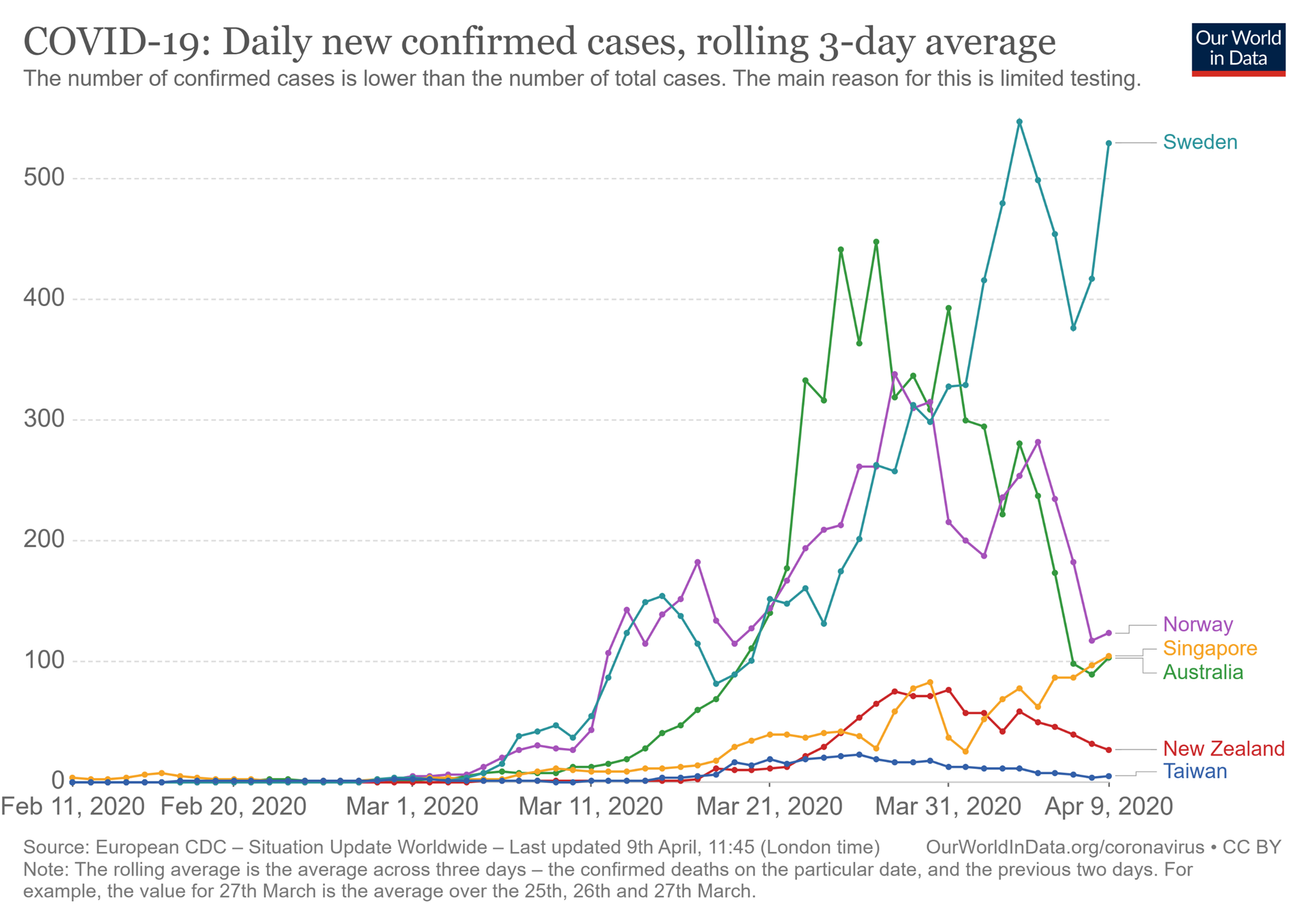
5 April #COVID19 New Zealand
10 Apr 2020 Leave a comment
Richard Timberlake Remembers Milton Friedman, Pt. 1
10 Apr 2020 Leave a comment
in business cycles, economic history, great depression, history of economic thought, macroeconomics, Milton Friedman, monetarism, monetary economics Tags: Keynesian macroeconomics
Hornsdale Power Reserve: the mouse that stopped the elephant from falling
10 Apr 2020 Leave a comment

After writing previous post, the RenewEconomy article kept going through my mind. The author of the article suggested that the response of the Hornsdale Power Reserve to a tripping coal fired power unit was extraordinary, when in reality it was insignificant in the grand scheme of things. I wondered why on earth the author was so lyrical about what was in fact a poor performance…
Then it suddenly struck me. It might well be a misinterpretation of how the event was represented.
Let me explain.
There were two graphs presented in the article. The first one is the frequency versus the response of the Hornsdale Power Unit and it stood central in previous post. There is however a second graph in the article and it is this graph that could easily lend itself to misinterpretation. It shows the sharp decline of the tripped coal unit combined with the response of…
View original post 630 more words
Recall unemployment
10 Apr 2020 Leave a comment
in business cycles, human capital, labour economics, labour supply, macroeconomics, unemployment
The psychology behind a pandemic – Steven Pinker
10 Apr 2020 Leave a comment
in health economics Tags: cognitive psychology, economics of pandemics, evolutionary psychology, political psychology, The Great Escape
No, the government still hasn’t found a ‘magic money tree’!
10 Apr 2020 Leave a comment

Who’d have thought the Treasury’s ‘Ways and Means’ facility at the Bank of England could cause so much excitement? The two parties have agreed a temporary extension of what is, in effect, the government’s overdraft account with the central bank. Cue great delight from advocates of printing money to pay for higher public spending, such as Positive Money, and equal displeasure from opponents. In reality, both reactions are overdone.
For a start, the ‘Ways and Means’ (W&M) facility is nothing new. Usually the balance on this account is less than £400 million (peanuts in this context). But the government did make more use of it during the global financial crisis in 2008, when the balance hit its previous record high of just under £20 billion. The UK has therefore been here before, so a precedent has already been set.
What’s more, this is still only short-term borrowing that…
View original post 765 more words
Aluminium – The Material That Changed The World
10 Apr 2020 Leave a comment
in economics of media and culture
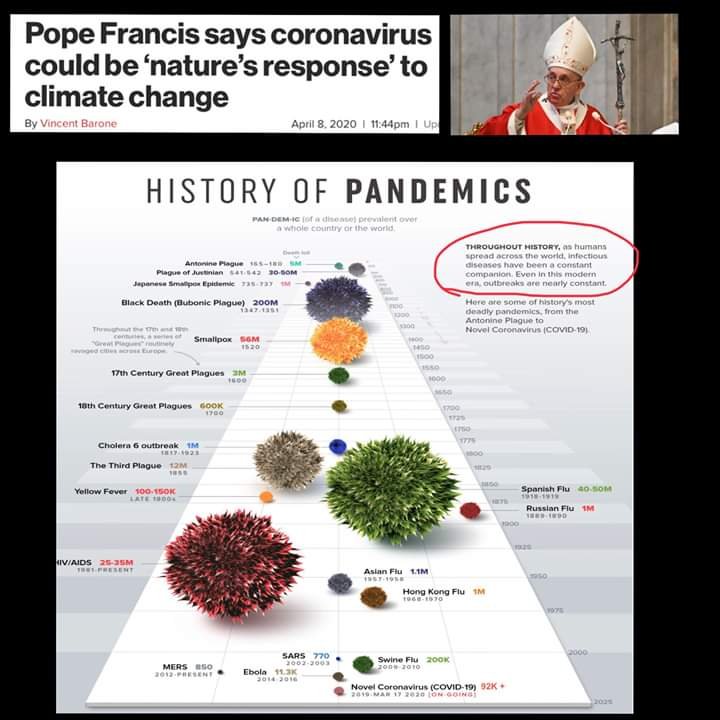
#COVID19 #globalwarming #climateemergency @Greenpeace @Greens @NZGreens #OTD
10 Apr 2020 Leave a comment
in economics of religion, energy economics, environmental economics, global warming, health economics, politics - Australia, politics - New Zealand, politics - USA Tags: climate alarmists, economics of pandemics, pessimism bias, regressive left


Recent Comments