Policy in 60 Seconds: Why we need a nationwide rates freeze… NOW
06 Apr 2020 Leave a comment
in economics of bureaucracy, fiscal policy, macroeconomics, politics - New Zealand, Public Choice, public economics Tags: economics of pandemics, taxation and entrepreneurship, taxation and investment
Has Brexit really already cost us [insert number here]?
06 Apr 2020 Leave a comment
The first cost will be organisational capital. I read somewhere that managers are investing about two hours to per day rethinking supply chains.
The estimate of 2% is reasonable. Ed Prescott made some good arguments about trade clubs boosting growth in continental Europe. Those estimates are from a time when there is many more restrictions on trade and Brussels hadn’t got going on regulating everything in sight.

Ever since the 2016 referendum, economists have attempted to estimate what Brexit ‘has already cost’ the UK economy and households. It won’t be a surprise to see some of the most depressing numbers dusted off this week to mark the departure from the EU. But all these studies should be taken with a large pinch of salt. It would certainly be wrong to regard these numbers as gospel truth, or a reliable warning of (even) worse to come.
There are two main approaches to answering the question of what impact the referendum result has already had. One is ‘top-down’, which looks at the overall performance of the UK economy compared to its peers, usually measured by headline GDP growth. The other is ‘bottom-up’, which focuses instead on specific indicators, notably inflation and business investment, where it is relatively clear that the vote to leave has had a negative impact.
I’m…
View original post 1,400 more words
What happened to the election?
06 Apr 2020 Leave a comment
I concluded the trump won the election when all the Democratic candidates in the first debate raise their hand to support Medicare for All.
This conclusion is reinforced now the budget fiscal cupboard is bare after the bailouts present and future. There is no political constituency for college for all, Medicare for all and the green new deal. Taxes are never popular especially when tax rises have to pay for all the money borrowed

On March 17 I noted that I’d made a $100 bet with a friend that Donald Trump would lose his bid for a second term come November. My reasons were these:
Now that Trump has bungled the handling of the epidemic, makes daily statements about it so palpably stupid that even a “deplorable” can see through them, and gives himself a ten out of ten in handling the crisis, I think his chances of victory are even slimmer. And that’s on top of the economy, which is heading south so fast it will reach Antarctica before the summer.
Since then Trump has screwed up even more, repeatedly making dumb and even harmful assertions (“I might take chloroquine”), backtracking (pews filled by Easter!), praising himself, denigrating others (including governors) and generally looking like the narcissistic moron he is. It’s on view daily. And yet. . . his approval rating is as…
View original post 257 more words
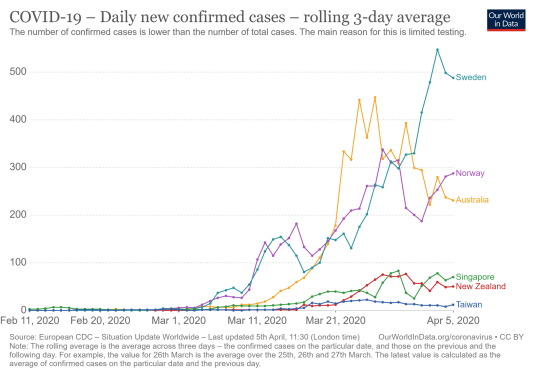
Truly lost on the woke
06 Apr 2020 Leave a comment
in economics of education, politics - Australia, politics - New Zealand, politics - USA Tags: philosophy of science, regressive left


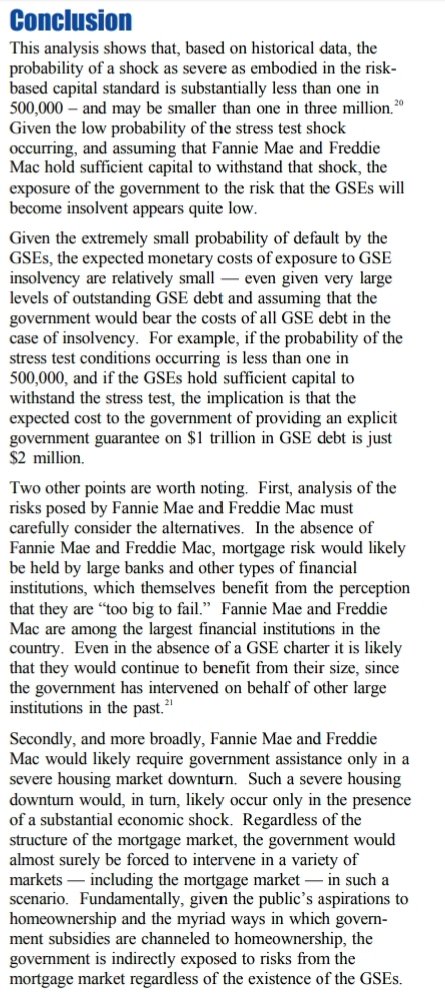

The Great Fact
06 Apr 2020 Leave a comment
in development economics, economic history, growth miracles Tags: The Great Enrichment, The Great Escape
Rommel Storms Into North-Africa – WW2 – 084 – April 4, 1941
06 Apr 2020 Leave a comment
in defence economics, war and peace Tags: World War II
Democracy and the coronavirus: how might parliament adapt?
05 Apr 2020 Leave a comment

 Parliament is currently in recess but its work continues, with select committees moving to remote hearings, and the Speaker promising to move, if only temporarily, towards a ‘virtual parliament’. David Natzler, who spent almost 40 years working in the House of Commons, draws on his experience to suggest how issues relating to the remote conduct of oral questions, voting, committees, and other key matters, might be resolved before parliament returns in late April.
In my blog of 23 March, I suggested that parliament would be judged on how well it had dealt with COVID-19. Over the past fortnight parliament has passed the Coronavirus Act and Commons select committees have held several hearings (see below) in procedurally unique circumstances. Developments in other parliaments and institutions have given an indication of how Westminster might adapt in the coming months. And there have been growing calls for business – in …
View original post 2,527 more words


Recent Comments