How the Medieval Church Frightened People Into Obedience
31 Mar 2020 Leave a comment
in economic history, economics of regulation Tags: Freedom of religion
New NSW laws prohibit leaving a place of residence, and limit public gatherings of more than 2 persons: an explainer
31 Mar 2020 Leave a comment

This post has been updated to include a discussion of what is a “vulnerable person” (31 March 2020 7:50am)
On Sunday evening the Prime Minister announced further restrictions on social gatherings, limiting them to two persons, or to the members of a household. It was up to the individual states and territories whether or not these restrictions would be merely advisory, or whether they would be made mandatory by government regulation. At a press conference on Monday morning, the Premier of NSW announced that these restrictions would be mandatory in NSW from midnight tonight.
The NSW Government Gazette has just (ie at around 11pm) published the Public Health (COVID-19 Restrictions on Gathering and Movement) Order 2020, the effect of which is described below.
Definitions
Firstly, some important definitions:
- household means any persons living together in the same place of residence.
- indoor space means an area, room or other premises…
View original post 1,606 more words
Ancient liberties placed in pawn
31 Mar 2020 Leave a comment

A fearful Britain hunkers down to face the foreign invader. An eloquent Prime Minister sets out to rally the nation with stirring speeches. Parliament is presented with an emergency bill to monitor and restrict the people the like of which it has never seen before.
For 2020, read 1940.
Most of us may not have experienced it, but this feels like wartime. The threats that Prime Ministers Winston Churchill and Boris Johnson faced may be entirely different, but there are intriguing comparisons to make in the new legislation that now governs our everyday lives. In May 1940 it was the Emergency Powers (Defence) Act, now it is the Coronavirus Act, which received Royal Assent only last Wednesday.
‘A Bill to make provision in connection with coronavirus – and for connected purposes’. It is the second part of that description that worries civil libertarians. Of course the bill’s sponsor, Health Secretary…
View original post 751 more words
Real vs. Imaginary Emergencies
31 Mar 2020 Leave a comment

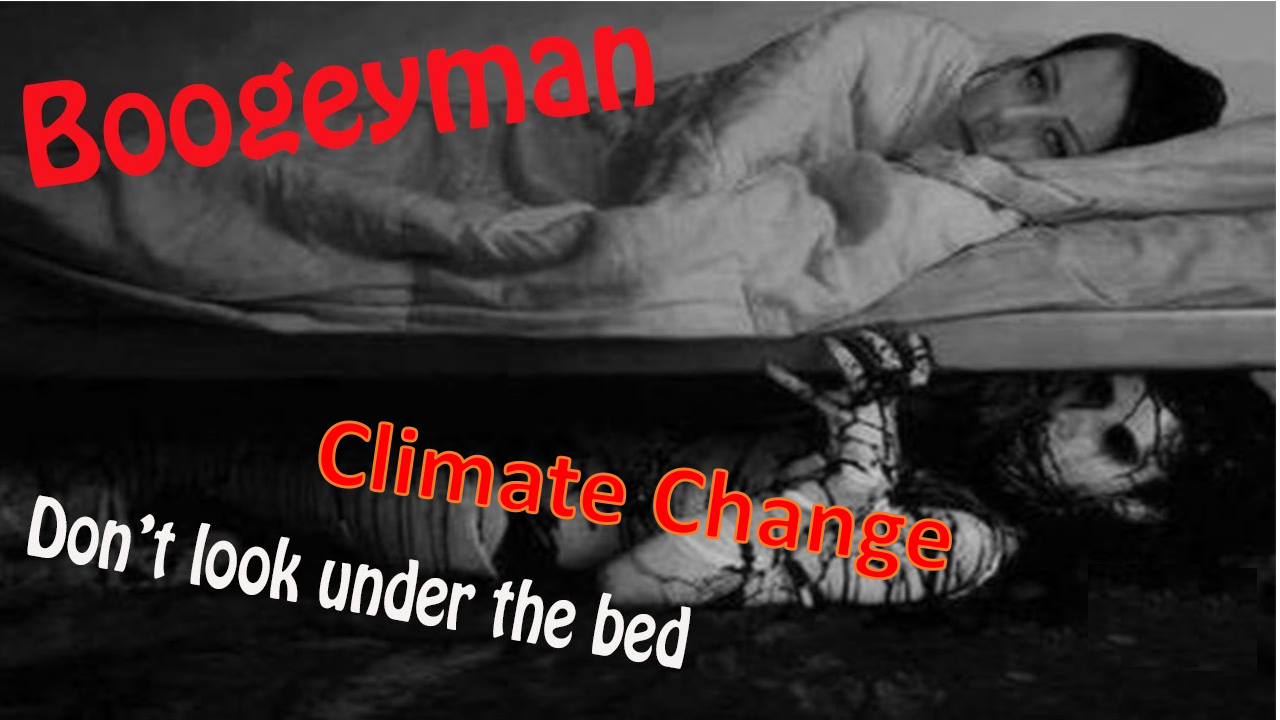
The pandemic experience shows us how greatly a real emergency differs from an imaginary one. His article at The Hill is The coronavirus pandemic versus the climate change emergency. Excerpts in italics with my bold and images.
Today’s coronavirus pandemic puts into some perspective the climate emergency, which has been running for nigh on 32 years. The climate emergency was first announced in June 1988. “Humanity is conducting an unintended, uncontrolled, globally pervasive experiment whose ultimate consequences could be second only to a global nuclear war,” the Toronto climate conference declared that month.
One way of assessing the reliability of a body of science with major policy implications is whether the experts in the field are prone to over-predicting the severity of the problem. Take smoking: In 1953, Richard Doll, one of the pioneer epidemiologists in discovering the link between tobacco smoking and lung cancer, predicted
View original post 767 more words

Alliance: The Inside Story of How Roosevelt, Stalin and Churchill Won One War and Began Another by Jonathan Fenby (2006)
31 Mar 2020 Leave a comment

‘In politics one should be guided by the calculation of forces.’ (Stalin at Potsdam)
Alliance is a thorough, insightful and gripping account of the wartime meetings between ‘the Big Three’ Allied leaders – Roosevelt and Churchill and Stalin – which determined the course of the Second World War and set the stage for the Cold War which followed it.
In actual fact the three leaders in question only met face to face on two occasions:
- Tehran 28 November-1 December 1943
- Yalta, 4-11 February 1945
The third great power conference, Potsdam July 1945, took place after Roosevelt’s death (12 April 1945) and with his successor, former vice-president Harry Truman
There were quite a few meetings between just Roosevelt and Churchill:
- Placentia Bay, Canada – 8 to 11 August 1941 – resulting in the Atlantic Charter
- First Washington Conference (codename: Arcadia), Washington DC, 22 December 1941 – 14 January 1942
- Second Washington Conference…
View original post 6,186 more words
Eamonn Butler on the knowledge problem
31 Mar 2020 Leave a comment
in Austrian economics, comparative institutional analysis, economics of bureaucracy, economics of regulation, entrepreneurship, history of economic thought, industrial organisation, law and economics, managerial economics, organisational economics, property rights, Public Choice, survivor principle Tags: offsetting behaviour, The fatal conceit, The pretence of knowledge, unintended consequences
Many middle-aged adults live with their parents in Italy and in Singapore
30 Mar 2020 Leave a comment
in economics of love and marriage, health economics, population economics Tags: economics of pandemics

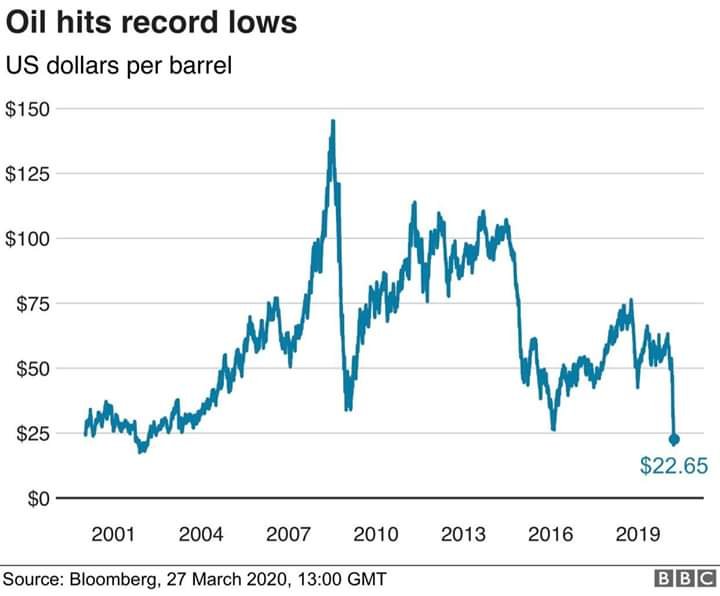
This price is way below the production cost of shale oil!
30 Mar 2020 1 Comment
in energy economics Tags: Oil prices


Recent Comments