
Robin Williams’ Surprised He Survived His Drug Use Days | Friday Night With Jonathan Ross
01 Apr 2020 Leave a comment
in movies, television
#COVID19 identity politics
31 Mar 2020 Leave a comment
in health economics, politics - Australia, politics - New Zealand, politics - USA Tags: economics of pandemics, political correctness, regressive left

USSF & The Worth of Male and Female Soccer Players
31 Mar 2020 Leave a comment

 I’ve spent the afternoon reading the most-recent materials from the lawsuit between U.S. women national team soccer players and the U.S. Soccer Federation (USSF). And in a word, they are incredible …
View original post 608 more words
Are Male Olympic Athletes Inherently Worth More than Females?
31 Mar 2020 Leave a comment

The question posed in the headline is apparently the basis of a theory being advanced by the U.S. Soccer Federation in the lawsuit brought by U.S. Women’s National Team players seeking equal pay. To the extent that this theory is accepted by the courts, it has the potential to reshape all women’s sport in the United States.
From a USSF filing yesterday (emphasis in original):
“To prevail on their motion, Plaintiffs must show, based on the facts when viewed in the light most favorable to U.S. Soccer, that any reasonable juror would conclude that U.S. Soccer intentionally paid Plaintiffs less money that it otherwise would have, simply because they are women.”
One need look no further than page 11 of the filing to see USSF making an argument that women are inherently inferior to men, concluding: “Plaintiffs have cited no case (there is none) suggesting that two jobs…
View original post 831 more words
Finn Kyland on Ireland
31 Mar 2020 Leave a comment
in budget deficits, business cycles, comparative institutional analysis, economic growth, economics of regulation, financial economics, macroeconomics, Public Choice, rentseeking, unemployment


Corona Mania: US Wind & Solar Industries Demand $Billions In Subsidies From Virus Stimulus Package
31 Mar 2020 Leave a comment


The hysteria generated by COVID-19 is nothing compared to the panic that’s broken out among renewable energy rent-seekers in the USA. With the Federal government channelling $2 trillion into a coronavirus stimulus package, wind and solar outfits appear to be suffering a #metoo moment; they’ve missed out on the cash and they’re crying foul.
The Republican-controlled Senate remains unmoved by tales of the imminent doom of the renewable energy sector in the US. Whereas, the Democrats are pulling out all stops to try and snaffle a substantial slice of that pie in order to redirect it to their benefactors in the wind and solar industries.
U.S. wind, solar industries plead for tax credit ‘tweaks’ to keep projects alive during virus outbreak
Reuters
Nichola Groom
25 March 2020
Wind and solar companies, facing project delays that threaten their ability to tap lucrative green energy subsidies, are pleading with lawmakers for help…
View original post 1,815 more words
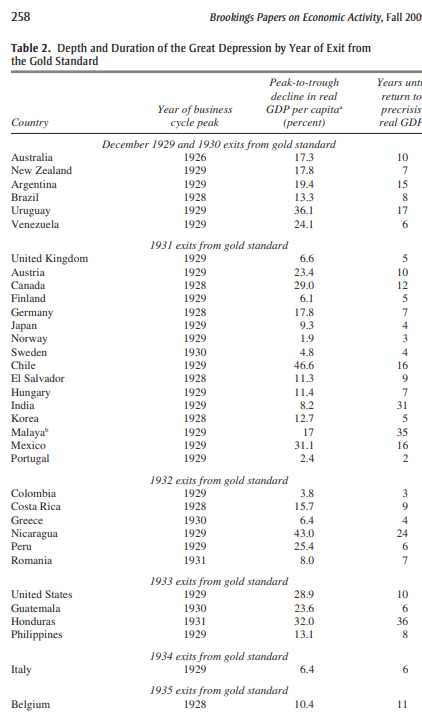
Australia rocketed out of the depression after the Premier’s Plan! NZ did too after cutting everything that could be cut by 20% in 1931
31 Mar 2020 1 Comment
in budget deficits, business cycles, economic history, fiscal policy, great depression, macroeconomics
The old world won’t snap back and we shouldn’t make policy assuming it will
31 Mar 2020 Leave a comment

There was a thoughtful short piece in the BNZ’s weekly commentary yesterday on economic prospects for the next few years. Perhaps there are others around that I missed – I only heard of this one when my son drew this report of it to my attention
BNZ’s head of research Stephen Toplis is warning that economic activity won’t return to pre-crisis levels till some time in 2023, while unemployment might not get back below 5% before 2025.
I gulped. I hadn’t quite thought about it in those specific terms. But as I did, I realised it probably wasn’t an implausible story (as Toplis notes in his piece, and as everyone must, precise numbers/forecasts have little meaning at present; the issue is more about broad orders of magnitude and the nature of the supporting story).
Toplis’s own short-term story seemed, if anything, insufficiently bleak, although he may just have been making…
View original post 2,226 more words
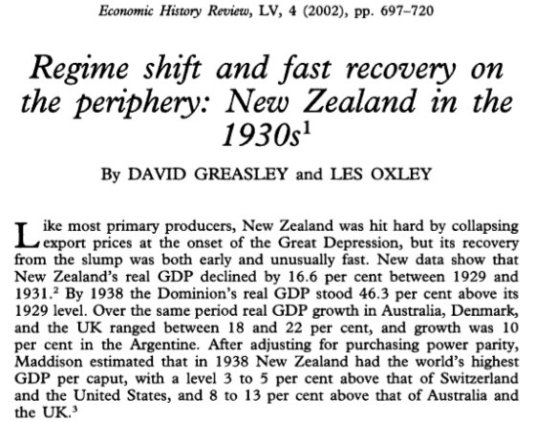
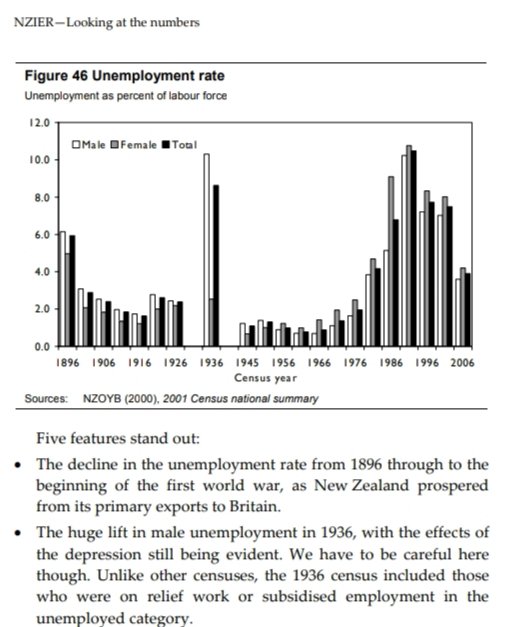
The 1931 massive fiscal contraction should have slowed the NZ recovery if Keynesian macroeconomics is worth more than a grain of salt
31 Mar 2020 7 Comments
in budget deficits, business cycles, economic history, fiscal policy, great depression, labour economics, labour supply, macroeconomics, monetary economics, public economics, unemployment Tags: Keynesian macroeconomics, new classical macroeconomics, New Keynesian macroeconomics, New Zealand


Recent Comments