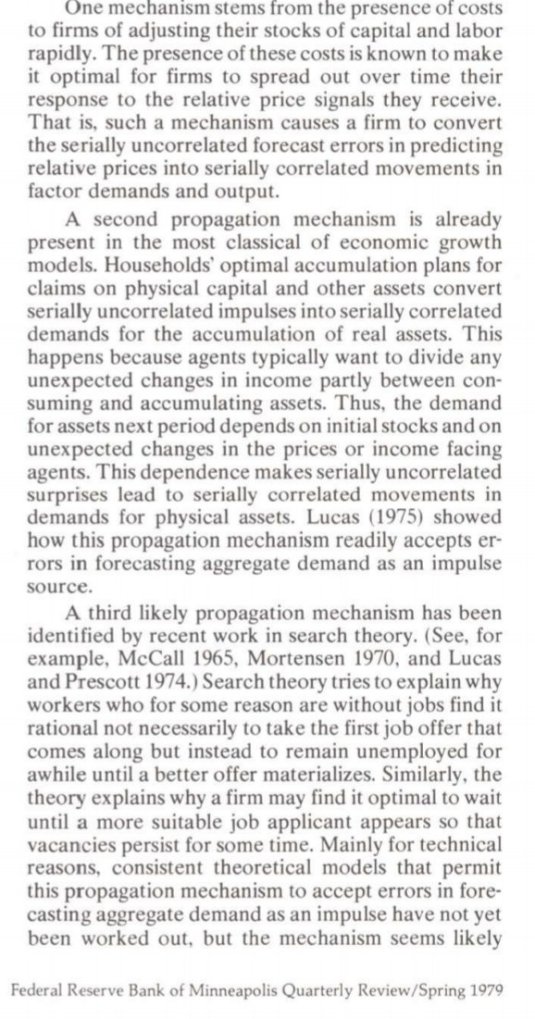
Lucas and Sargent (1979) on propagation in equilibrium business cycle models
28 Feb 2020 Leave a comment
Climate campaigners win Heathrow expansion case
28 Feb 2020 Leave a comment


Climate paranoia has hit the UK courts big-time. It now seems illegal not to obsess over trace gases in the atmosphere, due to the Paris climate agreement.
Heathrow Airport’s controversial plans to build a third runway have been thrown into doubt after a court ruling, reports BBC News.
The government’s Heathrow’s expansion decision was unlawful because it did not take climate commitments into account, the Court of Appeal said.
Heathrow said it would challenge the decision, but the government has not lodged an appeal.
The judges said that in future, a third runway could go ahead, as long as it fits with the UK’s climate policy.
View original post 81 more words
US Gas Crushes Wind and Solar
28 Feb 2020 Leave a comment

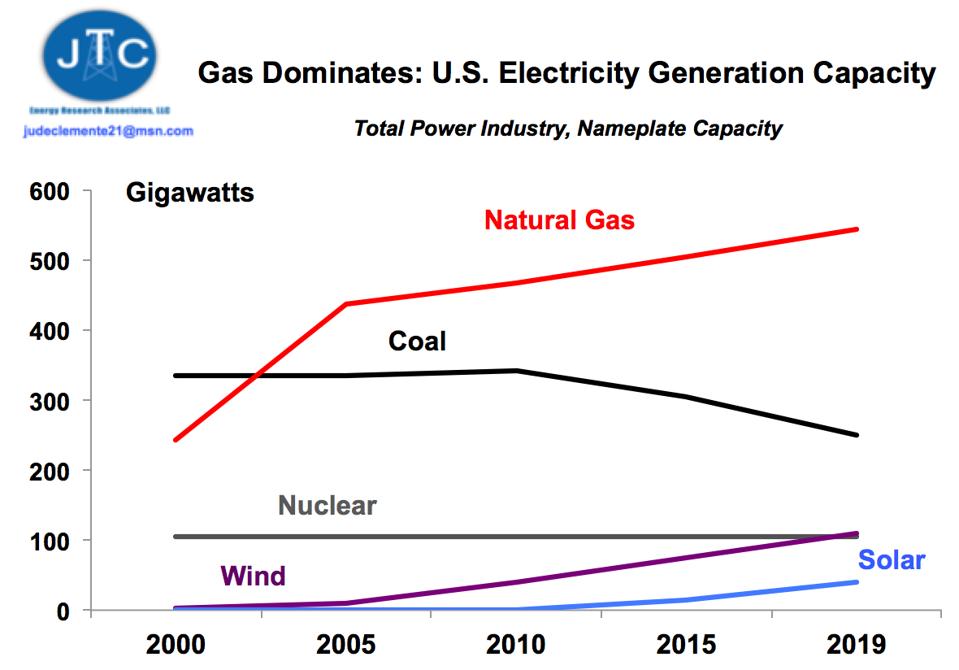 Jude Clemente reports at Forbes The Obvious Reality Of More U.S. Oil And Natural Gas
Excerpts in italics with my bolds.
Natural gas overwhelmingly dominates the U.S. electric power system, double second place coal. Gas is cleaner, cheaper, more flexible, and more reliable. Gas will supply over 40% of our power this summer and is racing toward being 50% of total generation capacity. Just think about the scale of that. For every 10o power plants in America that create electricity, 50 of them will run on natural gas (see Figure above). Further, the International Energy Agency has specifically credited the rise of gas in our power system as the reason why we are slashing CO2 emissions faster than any other country ever.
Understanding this reality, we must continue to resist growing “energy unrealism.” More bluntly, a fracking ban would be the worst policy for American economic, energy, and environmental security…
View original post 492 more words
Creative destruction
28 Feb 2020 Leave a comment
in development economics, economic history, economics of education, entrepreneurship, growth disasters, growth miracles, human capital, industrial organisation, labour economics, labour supply, occupational choice, theory of the firm Tags: creative destruction, India

@BernieSanders @AOC @jeremycorbyn
28 Feb 2020 Leave a comment
in comparative institutional analysis, constitutional political economy, development economics, economics of bureaucracy, economics of crime, income redistribution, law and economics, politics - USA, property rights, Public Choice, rentseeking Tags: 2020 presidential election, Cuba, regressive left


Why does @Megan_Woods want to raise petrol prices?
27 Feb 2020 Leave a comment
in economics of regulation, energy economics, politics - New Zealand
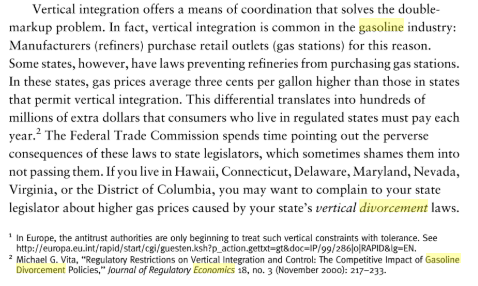
Caballero on the great safe collateral contraction
27 Feb 2020 Leave a comment
in budget deficits, business cycles, currency unions, economic growth, economic history, entrepreneurship, Euro crisis, financial economics, fiscal policy, global financial crisis (GFC), great recession, international economics, law and economics, macroeconomics, monetary economics, property rights, Public Choice Tags: adverse selection, asymmetric information, monetary policy, moral hazard, self-selection, sovereign debt crises, sovereign defaults
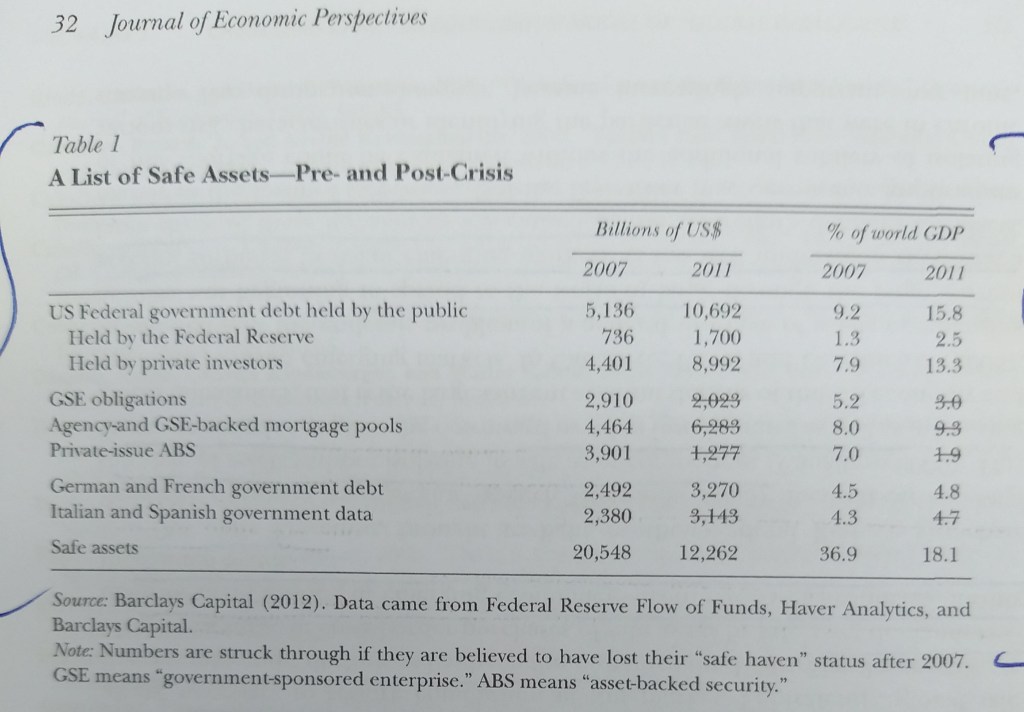
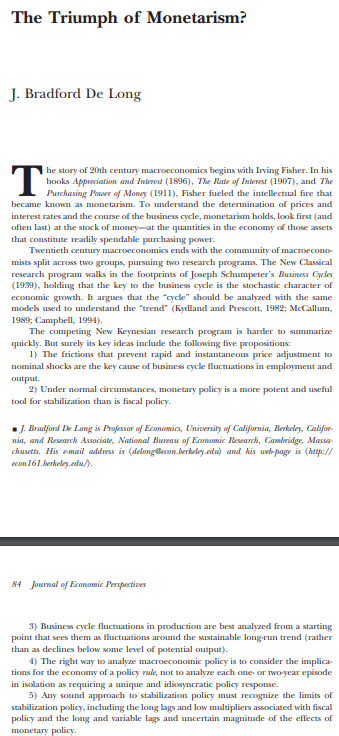
What is New Keynesian macroeconomics?
27 Feb 2020 Leave a comment
in business cycles, economic growth, fiscal policy, history of economic thought, labour economics, Milton Friedman, monetarism, monetary economics
How students, academics, artists and galleries help to create a globalised, woke discourse which alienates ordinary people and hands political power to the Right
27 Feb 2020 Leave a comment

‘As polls have attested [traditional Labour voters] rejected Labour because it had become a party that derided everything they loved.’
(John Gray in The New Statesman)
As of January 2020, Labour has 580,000 registered members, giving it the largest membership of any party in Europe, and yet it has just suffered its worst election defeat since 1987. How do we reconcile these contradictory facts?
Trying to make sense of Labour’s catastrophic defeat in the 2019 General Election has prompted a flood of articles and analyses, most of which rightly focus on the distorting effects of Brexit. But I was fascinated to read several articles, by writers from the Left and the Right, which also attribute the defeat to more profound changes which have taken place in the Labour Party itself, that:
- The decline of the traditional, manual-labouring working class, the decline in Trades Union membership and the increasing diversity…
View original post 4,976 more words


Recent Comments