

Gender-neutral pronouns come to campus
01 Jan 2020 Leave a comment

As Steve Pinker discusses in his new book, The Sense of Style, the use of “his” or “her” when writing about general situations can be tricky. For example, using only the masculine form in sentences like “A scientist shouldn’t invariably put his name on papers that come from his lab,” does marginalize women, and I can see how that would irritate the many women who are scientists—or readers. Times have changed, and it’s a form of sexism to always use “his”, which ignores half the population.
My own solution has been to alternate between “him” and “her” or “his” and “hers”, so that nobody gets left out. Or you can use “his/her” or “his or her”, but that is a bit awkward. But for many that’s still not a good solution, as it leaves out people who don’t identify as either male or female. Granted, that’s a small minority of people, but the “his/her”…
View original post 875 more words
J’Accuse Gippsland Environment Group @Greens @VictorianGreens @Sarahinthesen8
31 Dec 2019 Leave a comment

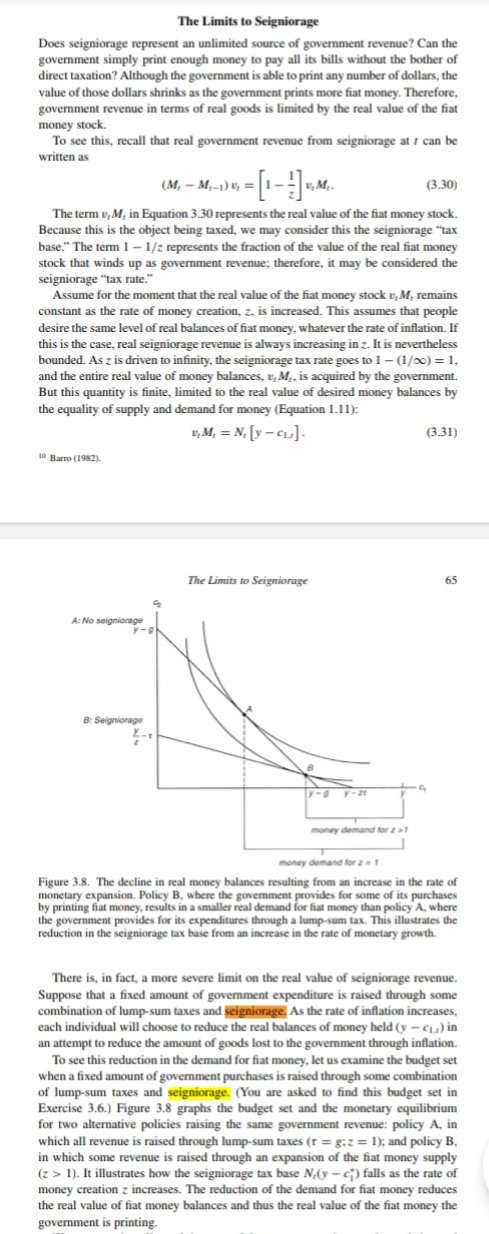
Champ and Freeman on modern monetary theory
31 Dec 2019 Leave a comment
in applied price theory, budget deficits, business cycles, economic history, fiscal policy, law and economics, macroeconomics, monetary economics, politics - USA, property rights Tags: 2020 presidential election, hyperinflation, monetary cranks, monetary policy


Are costly climate policies justified?
31 Dec 2019 Leave a comment
in applied welfare economics, comparative institutional analysis, energy economics, environmental economics, global warming Tags: carbon tax
George Stigler on marginal cost
31 Dec 2019 Leave a comment
in applied price theory, George Stigler, industrial organisation, managerial economics, organisational economics, survivor principle

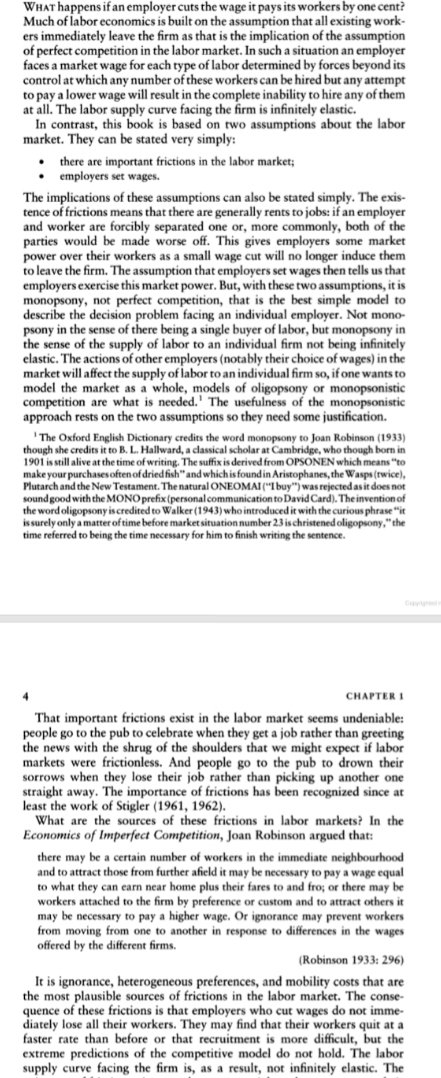
Joan Robinson (1933) explains perfect competition
31 Dec 2019 Leave a comment
in applied price theory, history of economic thought, industrial organisation, survivor principle Tags: perfect competition

BBC WS radio misrepresents the IHRA definition of antisemitism
30 Dec 2019 3 Comments

h/t SG
The December 22nd edition of the BBC World Service radio programme ‘Boston Calling’ – titled “The allegiance edition” – included an item (from 08:56 here) described in its synopsis as follows:
“Also, we look into President Trump’s latest executive order, which relies on a controversial definition of anti-Semitism…” [emphasis added]
The working definition of antisemitism which the BBC World Service found fit to portray as “controversial” is that produced by the International Holocaust Remembrance Alliance (IHRA) which has been adopted by governments and bodies around the world.
Presenter Carol Hills (of PRI) chose to introduce the item with an unexplained reference to ‘allegiance’ which might well be considered inappropriate given the subject matter of antisemitism.
[emphasis in italics in the original, emphasis in bold added]
Hills: “In these divided times there are still some things we agree on. Few people, for…
View original post 1,430 more words


Recent Comments