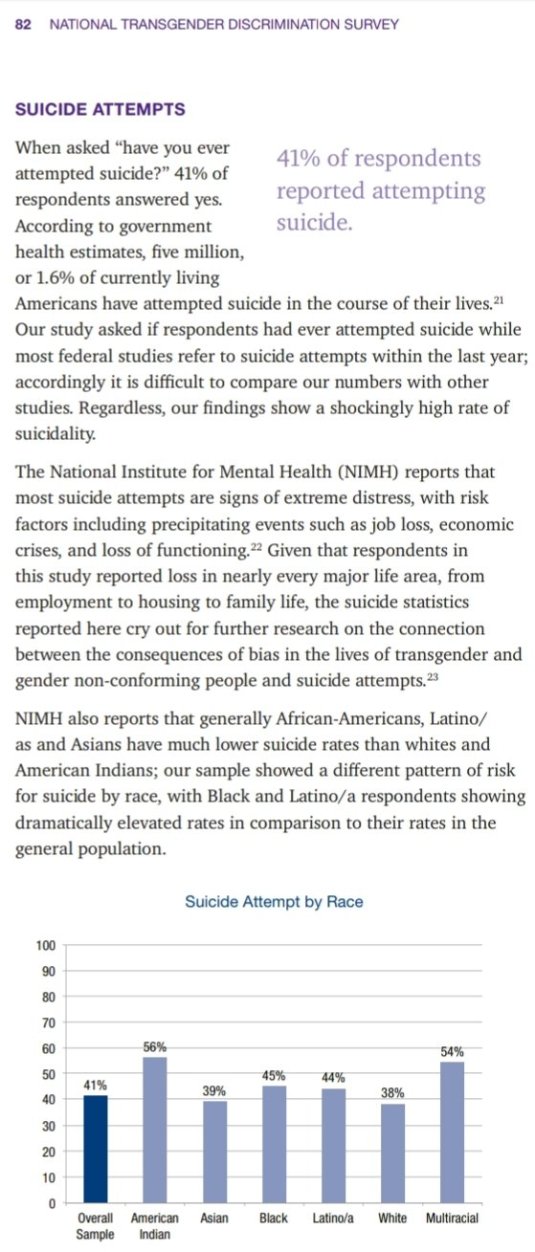
People in this degree of distress should make any big decisions because their minds aren’t in a good place
22 Dec 2019 Leave a comment
in discrimination, gender, health economics, law and economics Tags: economics of mental illness
Michael Walzer on Just War and Terrorism
22 Dec 2019 Leave a comment
in defence economics, economics of crime, law and economics, laws of war, war and peace Tags: just war theory, war against terror
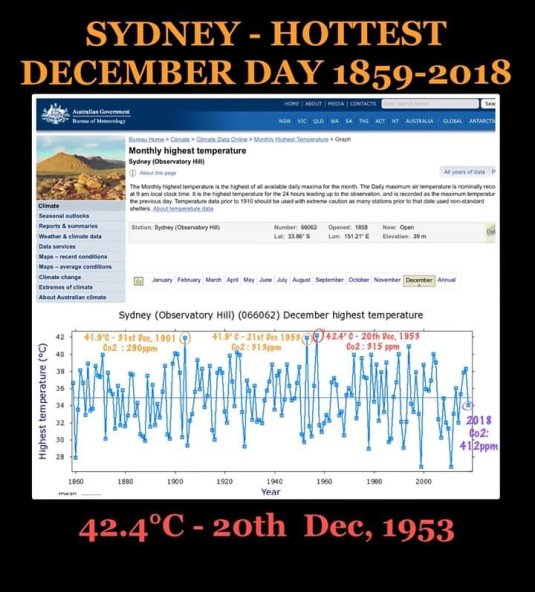
The land of droughts and flooding rains
22 Dec 2019 Leave a comment
in economics of natural disasters, environmental economics, global warming Tags: climate alarmists

Capitalism and Millennials: The 2018 James Q. Wilson Lecture
22 Dec 2019 Leave a comment
in comparative institutional analysis, constitutional political economy, economic history, economics of education, economics of information, economics of regulation, entrepreneurship, environmental economics, history of economic thought, human capital, income redistribution, industrial organisation, international economics, labour economics, labour supply, law and economics, Public Choice, rentseeking, survivor principle Tags: pessimism bias
The Green New Deal’s Bad Science @AOC @BernieSanders @SenWarren @Greens @Greenpeace @NZGreens
22 Dec 2019 Leave a comment
in applied welfare economics, economics of bureaucracy, energy economics, environmental economics, global warming, Public Choice, rentseeking Tags: climate alarmists, nuclear power, solar power, wind power
Government Mandates and Crummy Dishwashers
22 Dec 2019 Leave a comment

Four years ago, I wrote about how dishwashers don’t work very well because of foolish red tape from Washington.
The clever folks at the Competitive Enterprise Institute put together a video on the topic.
I especially like the fake commercial at the start of the video.
But I don’t like the way my dishwasher performs.
And Jeffrey Tucker of the American Institute for Economic Research shares my disdain.
American dishwashers used to work. They were wonderful labor-saving devices. They kept our kitchens cleaner. They sanitized the dishes, helping to stop cross-contamination and generally improving health over the iffy process of handwashing. …Then one day they just stopped doing the work. What happened?
…Dishwashers used to wash all the dishes in under one hour. Now they take two hours, three hours, and four hours, and still don’t get the dishes clean. …All of this is directly due to government regulations. …Now…
View original post 252 more words
The myth of studying to build mental muscles – Bryan Caplan
22 Dec 2019 Leave a comment
in econometerics, economics of education, economics of information Tags: adverse selection, asymmetric information, self-selection, signaling
Christina Hoff Sommers and Camille Paglia on the absence of biology in gender studies | VIEWPOINT
22 Dec 2019 Leave a comment
in discrimination, economics of education, economics of love and marriage, gender, health and safety, human capital, labour economics, labour supply, law and economics, occupational choice, politics - USA, poverty and inequality Tags: gender wage gap, political correctness, regressive left


Recent Comments