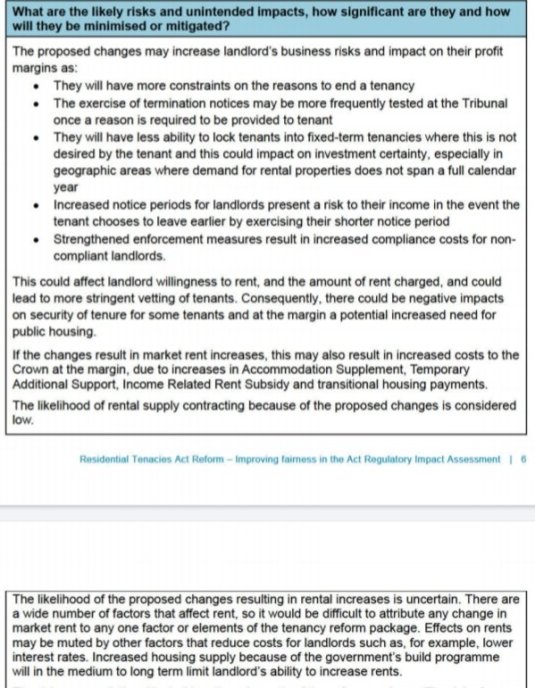
More @MBIEgovtnz warnings of more homelessness under @JacindaArdern’s fairer tenancy laws
18 Nov 2019 Leave a comment
in applied price theory, applied welfare economics, comparative institutional analysis, discrimination, economics of bureaucracy, economics of regulation, industrial organisation, law and economics, politics - New Zealand, property rights, Public Choice Tags: anti-market bias, offsetting behaviour, regressive left, The fatal conceit, unintended consequences
.@MBIEgovtnz warns of more homelessness from fairer tenancy reforms by @jacindaardern
18 Nov 2019 Leave a comment
in applied price theory, applied welfare economics, economics of regulation, income redistribution, law and economics, politics - New Zealand, property rights, Public Choice, rentseeking Tags: anti-market bias, offsetting behaviour, regressive left, The fatal conceit, unintended consequences
On this day in 1554 – Queen Mary I married Prince Philip of Spain
18 Nov 2019 Leave a comment

On 25th July 1554 Queen Mary I married Philip of Spain, the son of her cousin, the Holy Roman Emperor, Charles V. Philip was the heir apparent to many countries across Europe and the New World so was an appealing match, as part of the marriage negotiations 37 year old Mary was sena portrait of her new husband to be.
The marriage proposal was unpopular in England and led to many of Mary’s advisors urging her to marry an Englishman. A rebellion also broke out led by Thomas Wyatt the younger led a small army from Kent in an attempt to place Elizabeth on the throne. The biggest fear that many of the rebels held was that whoever Mary married would instantly become King of England and assume all the powers of the monarchy. This led to Mary introducing Queen Mary’s Marriage Act.
Under the terms of the Marriage…
View original post 671 more words
November 17, 1558: Death of Queen Mary I of England and Ireland.
18 Nov 2019 Leave a comment

Mary I (February 18, 1516 – November 17, 1558), also known as Mary Tudor, was the queen of England and Ireland from July 1553 until her death. She is best known for her aggressive attempt to reverse the English Reformation, which had begun during the reign of her father, Henry VIII. The executions that marked her pursuit of the restoration of Roman Catholicism in England and Ireland led to her denunciation as “Bloody Mary” by her Protestant opponents.
Mary was the only child of Henry VIII by his first wife, Catherine of Aragon, to survive to adulthood. Her younger half-brother Edward VI (son of Henry VIII and Jane Seymour) succeeded their father in 1547 at the age of nine. When Edward became mortally ill in 1553, he attempted to remove Mary from the line of succession because he supposed, correctly, that she would reverse the Protestant reforms that had begun during…
View original post 370 more words
Why Don’t People Duel Anymore
18 Nov 2019 Leave a comment
in defence economics, economics of crime, economics of information, law and economics Tags: dueling, signalling
The condescending left
18 Nov 2019 Leave a comment
in economics of education, poverty and inequality, Thomas Sowell Tags: regressive left


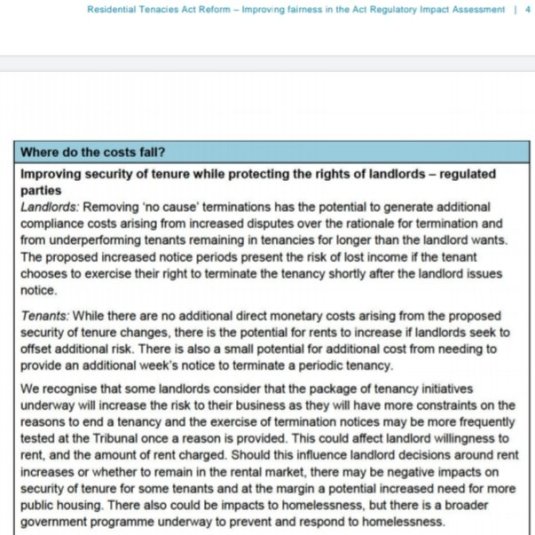
Zilibotti on Schumpeterian endogenous growth theory
18 Nov 2019 Leave a comment
in applied price theory, development economics, economic history, economics of bureaucracy, economics of information, entrepreneurship, growth disasters, growth miracles, industrial organisation, Public Choice, public economics, rentseeking, survivor principle Tags: creative destruction, endogenous growth theory

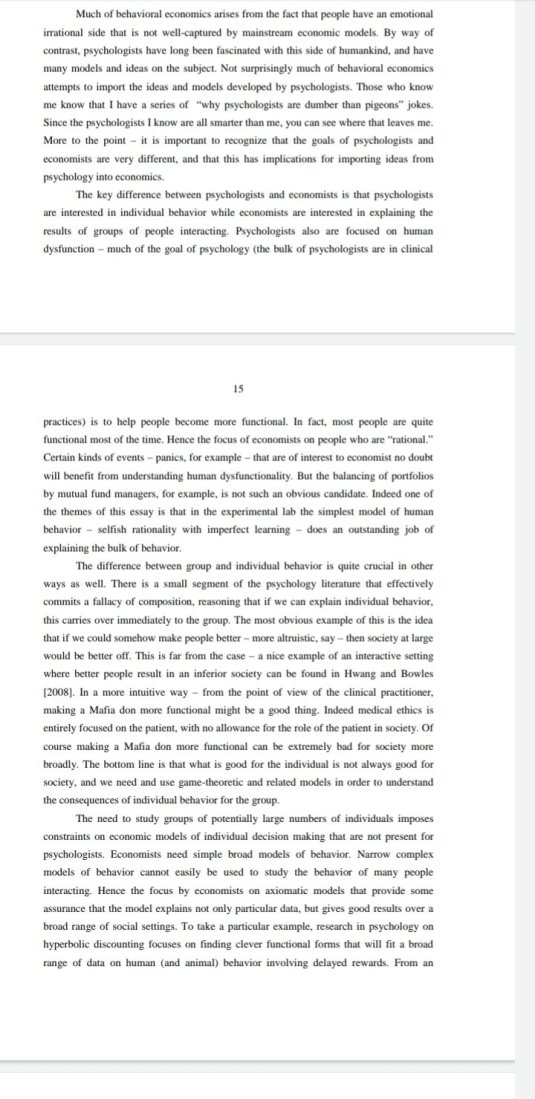
David Friedman – Law Enforcement Without the State
18 Nov 2019 Leave a comment
in comparative institutional analysis, constitutional political economy, David Friedman, economics of crime, law and economics, property rights
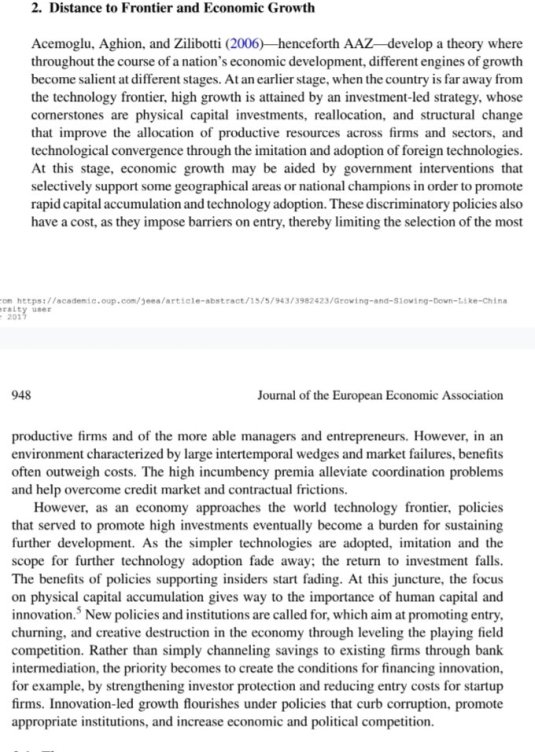
How Quentin Tarantino Steals From Other Movies | The Art Of Film
18 Nov 2019 Leave a comment
in movies, television
Taiwanese demographic transition was driven by rising incomes so China’s was decades early
18 Nov 2019 Leave a comment
in development economics, economic history, economics of love and marriage, growth disasters, growth miracles, Marxist economics, Public Choice Tags: China, demographic transition, economics of fertility, Taiwan, The Great Escape



Recent Comments