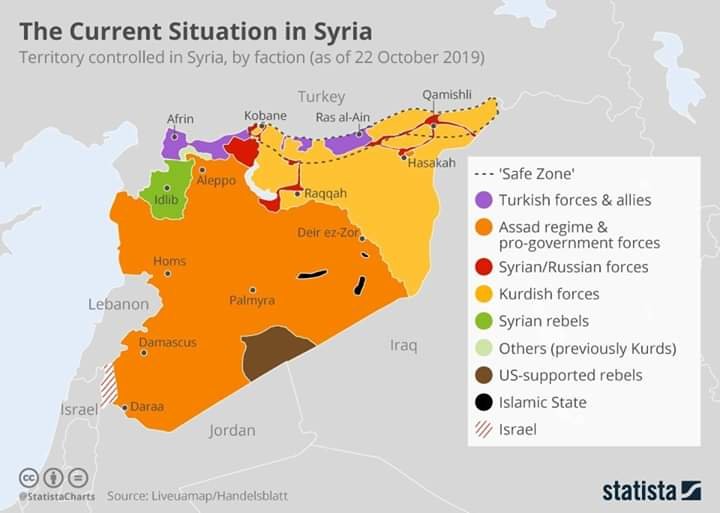
How the Ottoman Empire was Carved Up
28 Oct 2019 Leave a comment
in defence economics, economic history, energy economics, International law, war and peace Tags: World War I
P.T. Bauer (1959) on the Permit Raj at its most bizarre and cruel
28 Oct 2019 Leave a comment
in development economics, economics of regulation, growth disasters, labour economics, labour supply, law and economics, Milton Friedman, occupational choice, poverty and inequality, Public Choice Tags: India

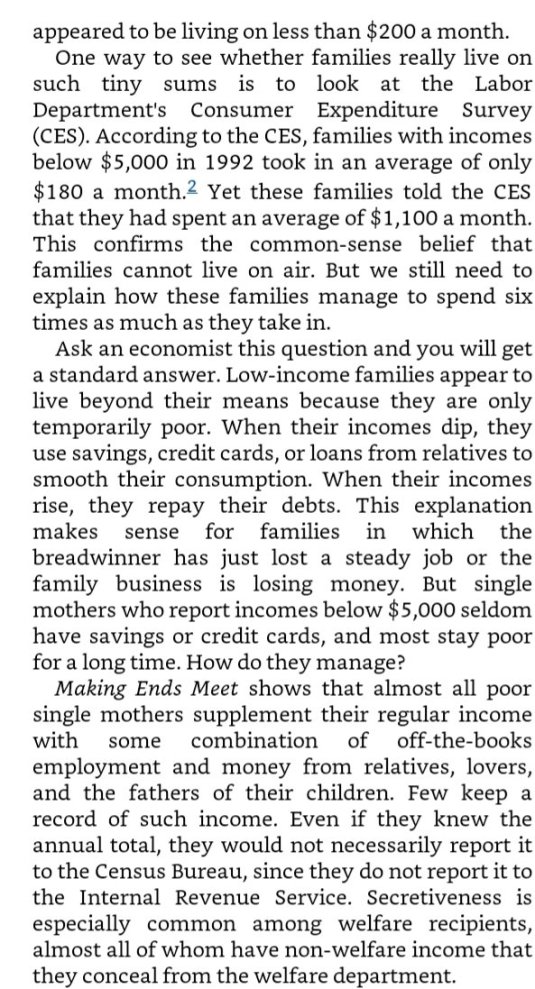
The off the book incomes of beneficiaries – from Making Ends Meet: How Single Mothers Survive Welfare and Low-Wage by Kathryn Edin and Laura Lein
28 Oct 2019 Leave a comment
in economics of crime, economics of love and marriage, gender, labour economics, labour supply, law and economics, poverty and inequality, welfare reform Tags: child poverty, family poverty, social insurance, welfare fraud
Are business cycles costly?
28 Oct 2019 Leave a comment
in applied welfare economics, business cycles, economic growth, economic history, Edward Prescott, macroeconomics, monetary economics, Robert E. Lucas Tags: real business cycles

Charles Murray: Why America is Coming Apart Along Class Lines
28 Oct 2019 Leave a comment
in economic history, economics of education, economics of love and marriage, human capital, labour economics, labour supply, occupational choice Tags: child poverty, family poverty, single mothers
Bodyguard reveals lifestyle of Fidel Castro – Newsnight archives
28 Oct 2019 Leave a comment
in defence economics, economic history, economics of bureaucracy, economics of crime, law and economics, Marxist economics, Public Choice Tags: Castro, Cuba
The World’s Oldest International Borders
28 Oct 2019 Leave a comment
in defence economics, economic history, international economic law, International law, law and economics, Public Choice Tags: economics of borders, maps

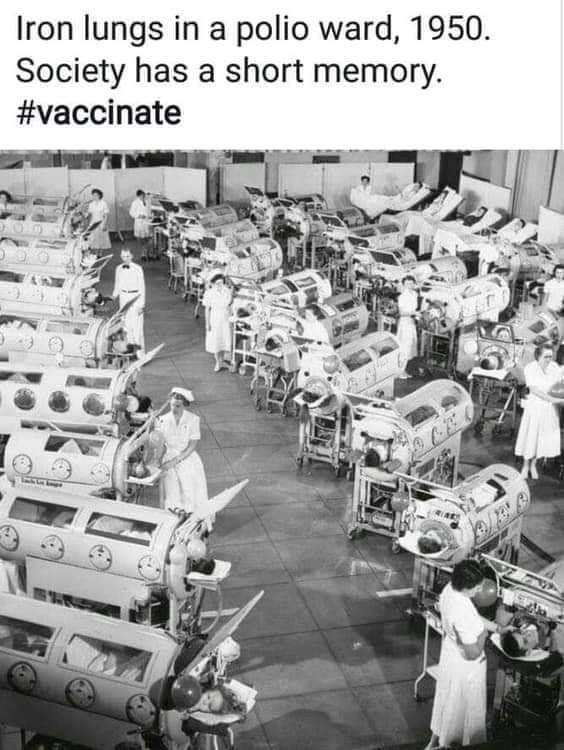
Vaccines work and are safe.
27 Oct 2019 Leave a comment
in economic history, health economics Tags: polio, vaccines
Permanent Part-Time Power: Wind Power Rush Leaves Texans Scrambling for Reliable Electricity
27 Oct 2019 Leave a comment

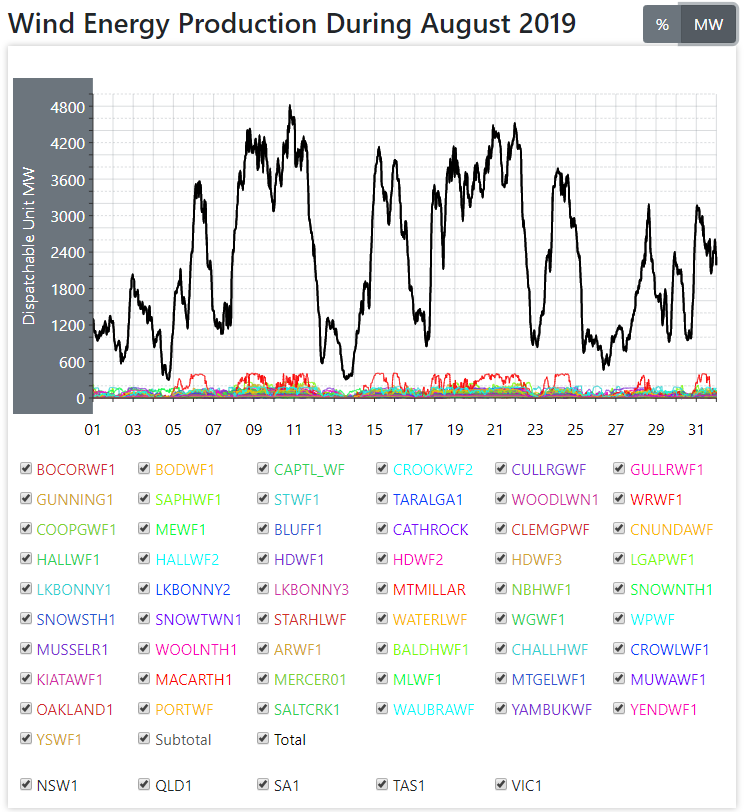
Being a weather-dependent enterprise, no one thinks of promising their kids a kite flying holiday, ahead of time. So just how modern, Western economies ever thought they’d power themselves with occasional breezes is a mystery.
The inherent and chaotic intermittency that’s part and parcel of wind power is only compensated by the ability of dispatchable power sources to plug the yawning, routine daily gaps in wind power output. Those sources are, in order of priority coal, gas and nuclear and (where available) hydro.
The amount of power stored and re-delivered by grid-scale batteries is so risible it barely rates a mention.
In truth, the real heavy lifting is done by [insert trigger warning] fossil fuels, being inefficiently utilised in power plants, often given the misleading tag of “backup” power. Misleading because, before heavily subsidised wind and solar came on the scene, they did just fine, all by themselves, delivering power…
View original post 795 more words


Recent Comments