“Most Popular Mobile Phone Brands 1993 – 2019” Apple didn’t appear until late 2009
23 Sep 2019 Leave a comment
in development economics, economic history, industrial organisation, survivor principle Tags: competition law, mobile phones
EVERYTHING YOU EVER WANTED TO KNOW ABOUT THE TREATY, BUT WERE TOO TERRIFIED OF BEING LABELLED A RACIST TO ASK — Part 1: Maori Ask British for Protection From Maori
23 Sep 2019 Leave a comment

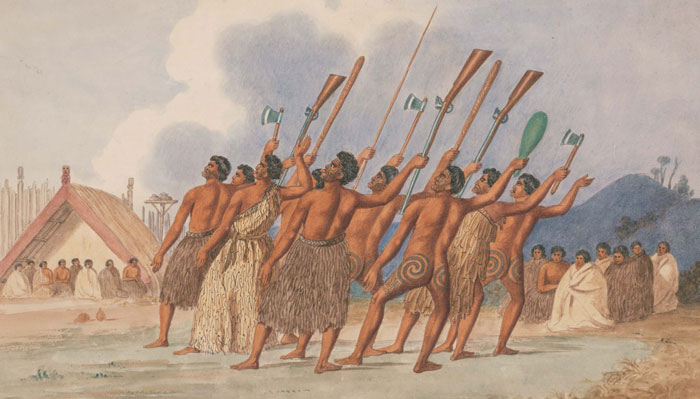
This is the first of a series of posts designed to bust the myths created by the Treaty of Waitangi grievance industry — myths shamelessly presented as truths by your government.
If you think it rude of me to expose these facts, tough. If conmen are going to tell lies about my forefathers, I’m going to tell the truth about theirs.
Much of what you see below is distilled from New Zealand in Crisis by Ross Baker of the One New Zealand Foundation.
In the plainest English I could muster, here is the boiled-down background to the drafting and signing of the Treaty:
c.1350 — Maori meet the tangata whenua
Maori history tells of seven canoes arriving from Hawaiki in around 1350AD.
They find New Zealand already inhabited by people they call the tangata whenua.
Maori historian Dr Ranginui Walker confirms: “The traditions are quite clear: wherever crew disembarked there were already tangata whenua (prior inhabitants).”
These first…
View original post 1,278 more words
Did @greenpeace @oxfam celebrate this massive, rapid reduction in energy poverty?
23 Sep 2019 Leave a comment
in applied price theory, development economics, economic history, energy economics, growth miracles Tags: The Great Escape

What are we reading?
23 Sep 2019 Leave a comment

Well, I don’t know what you’re reading, and whether you like it, but that’s what this post is for. In fact, a lot of the books I’ve read, and a few I’m reading now, have come from readers’ comments on posts like this.
I usually read only one book at a time, and have been reading only nonfiction, but now I’m reading multiple books at once. The one I’m concentrating on—as it’s big and I need to finish it before I go to Antarctica—is this biography of Churchill (click on all books for the Amazon link). It was published in November of last year and was highly rated.
I’m reading it because I finally grew tired of not knowing all about Churchill’s life. I’d read the first two volumes of William Manchester’s The Last Lion: Winston Spencer Churchill, which was fabulous—along with Robert Caro’s biographies of Lyndon Johnson and…
View original post 805 more words
George H. Smith Debates David D. Friedman: Ethics vs. Economics (1981)
23 Sep 2019 Leave a comment
in applied price theory, applied welfare economics, Austrian economics, comparative institutional analysis, constitutional political economy, David Friedman, defence economics, economic history, economics of crime, economics of education, economics of regulation, environmental economics, labour economics, law and economics, property rights, Public Choice Tags: anarchocapitalism
Heterodox economist @ProfSteveKeen claims Nordhaus ignored tipping points
23 Sep 2019 Leave a comment
in applied welfare economics, development economics, economic history, economics of natural disasters, energy economics, environmental economics, global warming Tags: climate alarmists

Privact Act complaint against @mfe_news: not keeping accurate personal information by saying you DM for email but never did. Settle for apology plus $1000
23 Sep 2019 Leave a comment
in administration, law and economics, politics - New Zealand

1831 Maori petition to King for protection
23 Sep 2019 Leave a comment
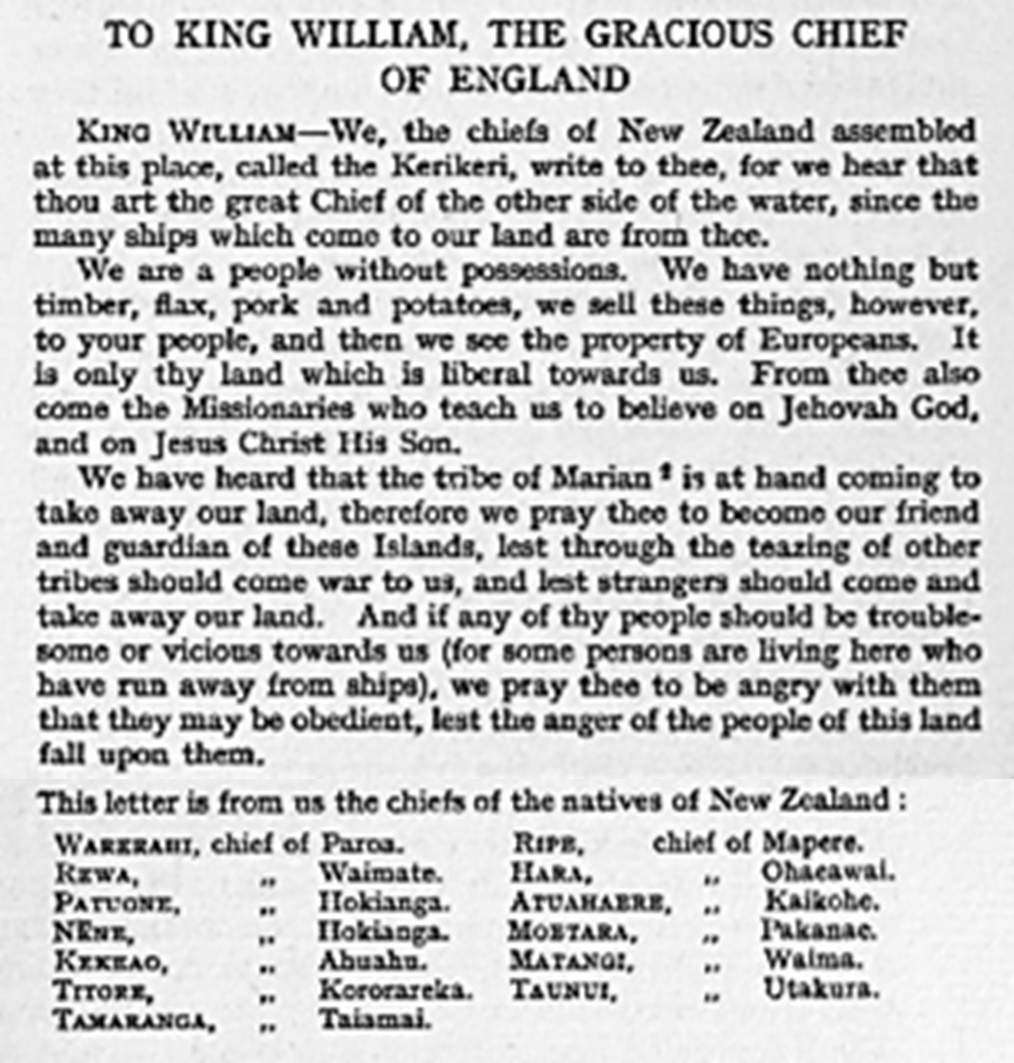
This is T.L. Buick’s account of the petition from 13 Ngapuhi chiefs that the King responded to in my earlier post.
For ease of reading, I’ll spread out the words below.
Then I’ll show you some blow-ups of relevant parts of the original English and Maori documents.
You will notice some words which have a bearing on what Maori are claiming today.
First, the words:
TO KING WILLIAM, THE GRACIOUS CHIEF OF ENGLAND
KING WILLIAM — We, the chiefs of New Zealand assembled at this place, called the Kerikeri, write to thee, for we hear that thou art the great chief of the other side of the water, since the many ships which come to our land are from thee.
We are a people without possessions.
We have nothing but timber, flax, pork and potatoes, we sell these things, however, to your people, and then we see property of the Europeans.
It is…
View original post 748 more words
Richard Posner: Fiscal Irresponsibility Clouds the Future
23 Sep 2019 Leave a comment
in economic history, economics of bureaucracy, financial economics, fiscal policy, global financial crisis (GFC), great recession, industrial organisation, law and economics, macroeconomics, monetary economics, Public Choice, Richard Posner Tags: bank panics

The Brits teach the Germans to bugger off! – WW2 – 056 – September 21 1940
23 Sep 2019 Leave a comment
in defence economics, war and peace Tags: World War II


Recent Comments