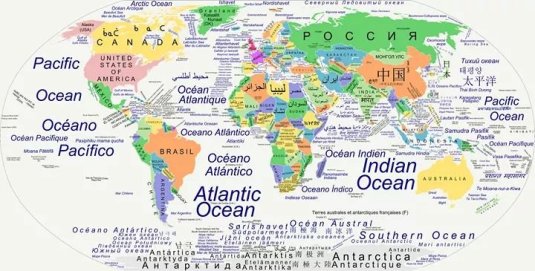
How big was that asteroid?
30 Jul 2019 Leave a comment
in economics of natural disasters Tags: space

The anti-science left
30 Jul 2019 1 Comment
in energy economics, environmental economics, global warming, politics - New Zealand, politics - USA Tags: Anti-Science left
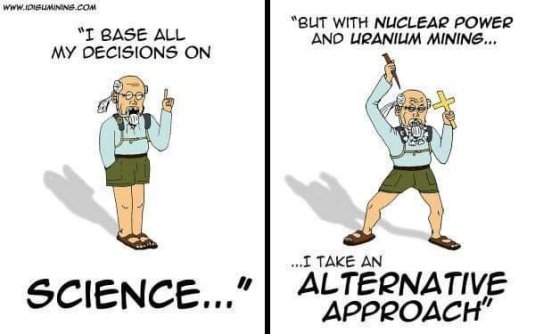
Environmental Extremists Favor Mosquitoes Over Mankind
30 Jul 2019 Leave a comment

Genetically altered insects could save millions from malaria but are anathema to ‘agroecologists.’

A child under 5 dies from malaria about every two minutes world-wide. Yet radical environmentalists are mobilizing against an important measure to stop mosquitoes from spreading the disease.
Target Malaria is a Gates Foundation-supported research effort to develop genetically modified sterile mosquitoes. Its approach is to drive modified genes through a mosquito population to produce sterile females or cause the breeding of only males. The goal is to reduce mosquito populations so much that the malaria parasite cannot be spread from person to person.
This spring Target Malaria ran a carefully controlled experimental release in Burkina Faso. The test followed years of research and similar successful releases in Latin America and the Caribbean. None of that mattered to the coalition of 40 leading environmental and “civil society” organizations demanding the project be shut down immediately.
The activist…
View original post 506 more words
Rethinking Race In America | Loury & McWhorter
30 Jul 2019 Leave a comment
in discrimination, economics of crime, economics of education, human capital, labour economics, labour supply, law and economics, politics - USA, poverty and inequality Tags: crime and punishment, law and order, racial discrimination
David Friedman Talk on how libertarians can be politically successful
30 Jul 2019 Leave a comment
in applied price theory, applied welfare economics, comparative institutional analysis, constitutional political economy, David Friedman, economic history, economics of information, economics of regulation, environmental economics, history of economic thought, law and economics, liberalism, libertarianism, politics - USA, property rights, Public Choice, public economics Tags: market failure, offsetting behaviour, The fatal conceit, unintended consequences
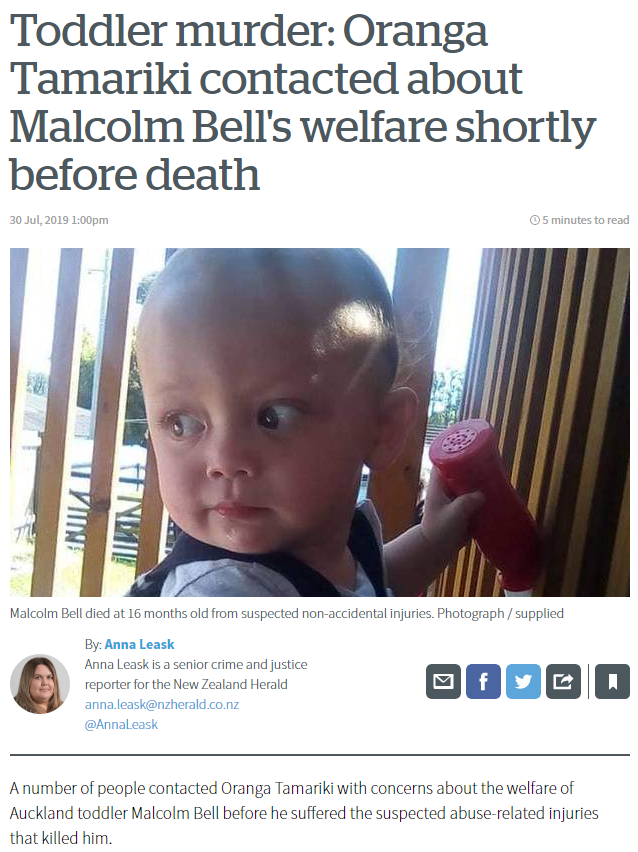
Do-gooder @NZGreen MPs gleefully accepted a petition outside of Parliament today against at-risk children ever being taken into care
30 Jul 2019 2 Comments
in economics of crime, politics - New Zealand
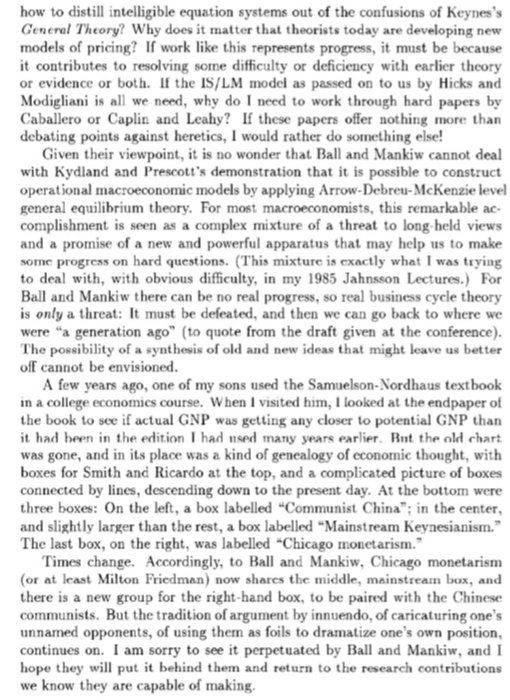
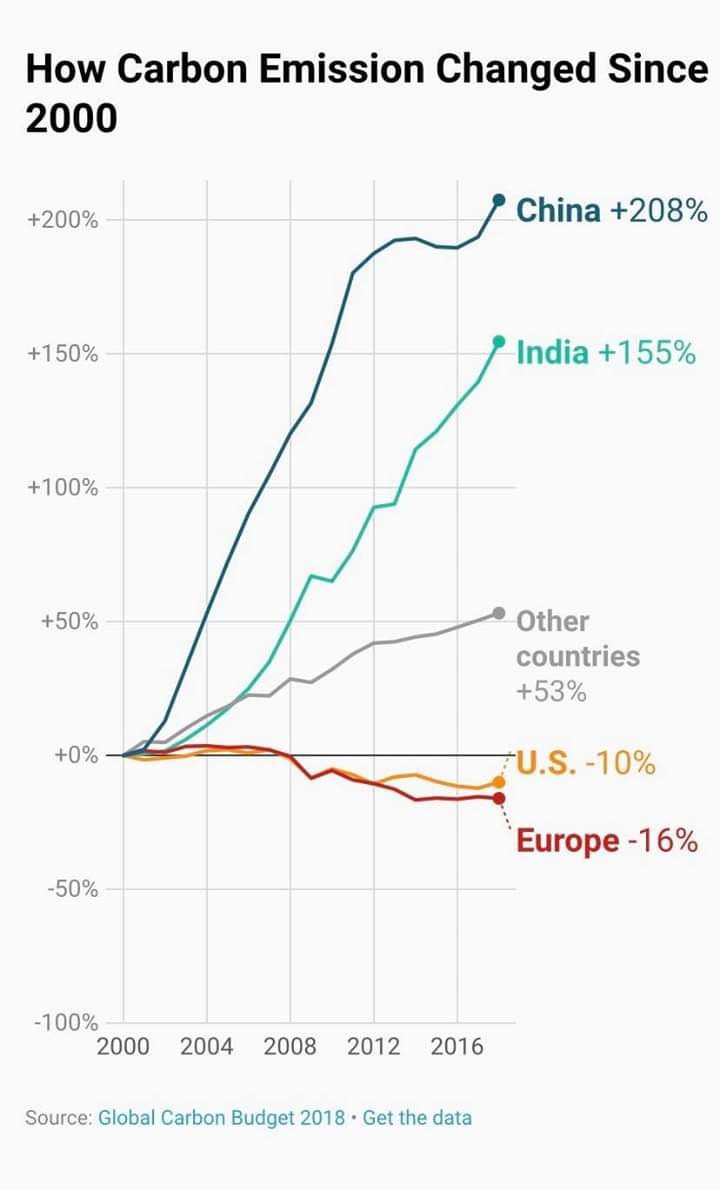
Can @jamespeshaw remind me how his #ZeroCarbonBill will make a blind bit of difference
30 Jul 2019 Leave a comment
in applied welfare economics, development economics, economic history, energy economics, environmental economics, global warming, growth miracles, politics - New Zealand Tags: climate alarmism, expressive voting, virtue signaling
A Jew argues that anti-Zionism isn’t the same as anti-Semitism. She’s mostly wrong.
30 Jul 2019 Leave a comment
Since 1948, when Israel came into being, the Palestinians have rejected peace negotiations eight times, and a two-state solution at least five times. The most favorable was the 2000 Camp David Summit, when Ehud Barak offered Yasser Arafat two states with East Jerusalem as the capital of Palestine and a land bridge between Gaza and the West Bank. That was rejected by Arafat, and anyone with more than a few neurons recognizes who was responsible for the agreement’s demise. The reason was simple: Arafat simply did not want a two-state solution.

Here we have Michelle Goldberg, a New York Times staff writer, making a deeply misleading argument about why anti-Zionism isn’t always anti-Semitism. And indeed, I agree with that premise, but not with Goldberg’s interpretation of what has happened and what’s happening now. The kind of “anti-Zionism” Goldberg apparently favors is indeed anti-Semitism, for it’s a recipe for the elimination of Israel and a bloodbath of Jews.
First, Goldberg notes that both Rashida Tlaib and Ilhan Omar, the two new female Muslim Congresswomen, are in favor of the Boycott, Divestment, Sanctions movement, which is true. Tlaib, however, didn’t endorse BDS until after she was elected (that’s a slimy move), and even before her election she wasn’t in favor of even a two-state solution to the Israel/Palestine problem.
Goldberg seems to favor BDS as a way to solve the issue—by pressuring Israel. But she doesn’t dwell on the fact that BDS, and…
View original post 987 more words
House passes anti-BDS bill by wide bipartisan margin: three of “the squad” (along with 13 other Democrats) dissent
30 Jul 2019 Leave a comment
If you don’t know about B.D.S. (Boycott, Divestment, and Sanctions) movement, the New York Times article below, from Saturday, will give you the basics. As for the title question, well, it’s not answered; the article gives the views of both supporters and detractors of BDS.
I’ve always thought the movement was anti-Semitic, but even if you don’t agree, it’s clearly aimed not just at pressuring Israel to arrive at a land settlement with Palestine—an aim, if not a tactic, that I agree with—but to eliminate the state of Israel completely, at least as a Jewish state. In the end, the movement’s aims will result in a big “Israel” with an Arab majority, and that would be the finish, not just of a Jewish state, but of the Jews themselves. And that is the movement’s aim.
Here are the aims of BDS as the Times shows them:
Modeled on the fight…
View original post 1,470 more words
Child prophets and proselytizers of climate catastrophe
30 Jul 2019 Leave a comment
Reposted from Dr. Judith Curry?s Climate Etc.
Posted on July 29, 2019 by curryja
by Andy West
The role of children in the culture of climate catastrophism
1.Serious scenarios for children: reality or culture?
1.1 Frightening our children: When do we find it acceptable to institutionally frighten children? While our first thought is perhaps that this should never happen, in practice there are at least two scenarios where it?s considered morally acceptable. The first is where dangerous hard realities beyond adult control, require that children must be taught a respect of such realities. This may often involve a certain amount of fear among other techniques, in hope that this will help children autonomously keep themselves safe. An example is gas-mask training in WW21, because adults can?t be everywhere at once to assist all children with their masks in time. The second scenario is where it?s morally acceptable by…
View original post 4,275 more words
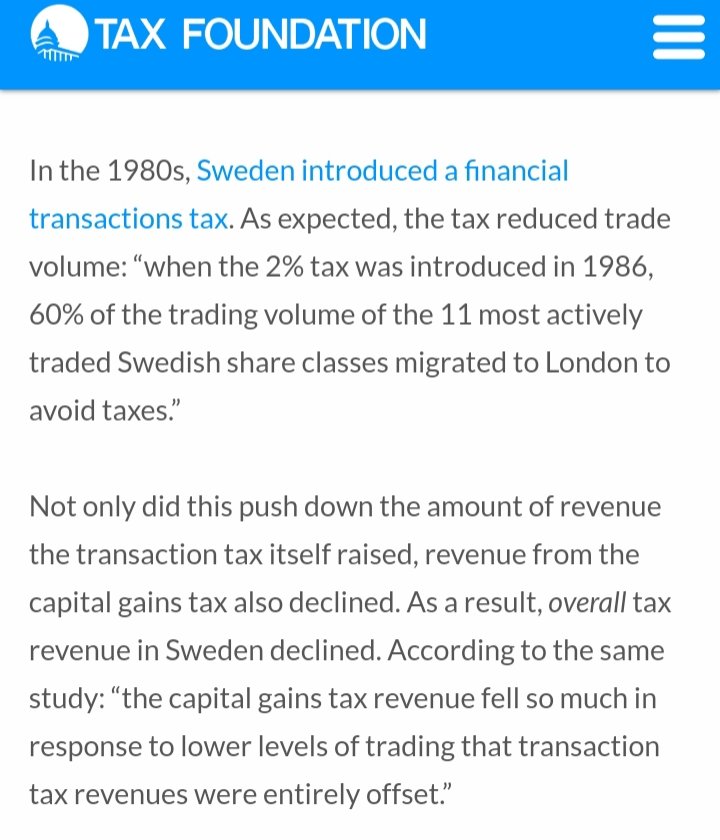
Discussions of the @RobinHoodTax are top of the list of the time I want bank on my death bed
30 Jul 2019 Leave a comment
in applied price theory, financial economics, income redistribution, politics - USA, Public Choice, public economics Tags: Tobin tax


Recent Comments