

Corbyn’s new antisemitism website: ‘No room for anti-Semites, we’re already’ full’
26 Jul 2019 5 Comments

Written by Joe Geary
On Sunday, Labour Party leader Jeremy Corbyn admitted that his party has “a real problem” with antisemitism, while launching a website to educate the party’s members and supporters about bigotry.
Called “No Room for anti-Semites, We’re Already Full,” the website provides “some basic tools to understand antisemitism so that we can hide it better.”

The website includes a video of Corbyn denouncing antisemitism in his party. He apologized for the “hurt that has been caused to many Jewish people,” admitting that attempts to hide the antisemitism in his party have been bungled.
Corbyn said that he spent his entire life campaigning for a multicultural society. He credits the Jewish people for being at the “heart of the Labour Party” but that the concerns of the Jewish community in the U.K. could now be dismissed, given that Labour had a new much larger block of voters.
People…
View original post 447 more words
The cost of global warming @jamespeshaw @Greenpeace
25 Jul 2019 Leave a comment
in applied welfare economics, development economics, energy economics, environmental economics, global warming Tags: climate alarmism

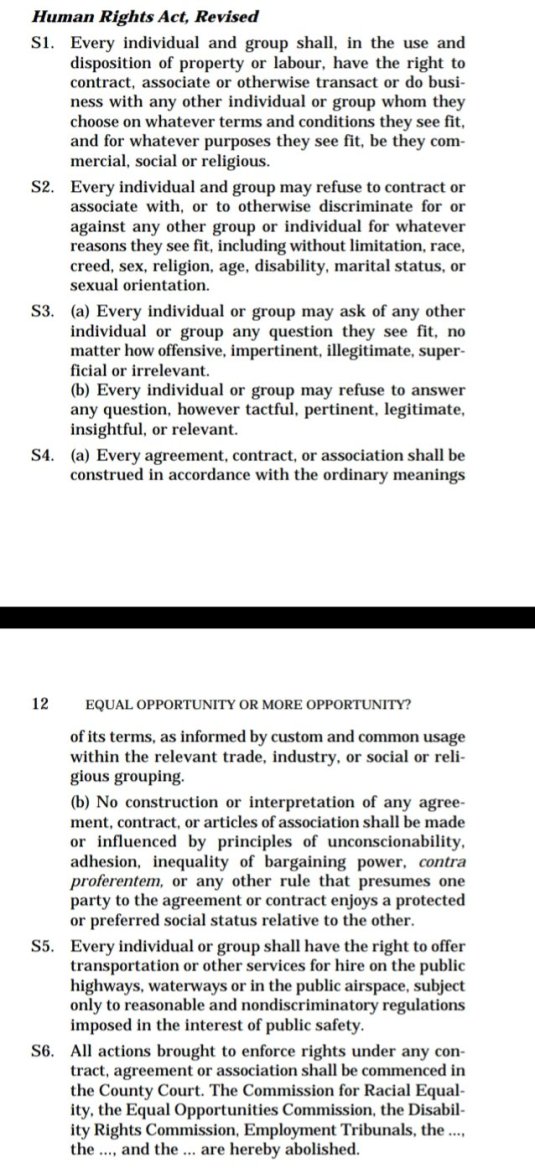
Richard Epstein’s preferred Human Rights Act
25 Jul 2019 Leave a comment
in comparative institutional analysis, constitutional political economy, discrimination, economics of information, gender, labour economics, labour supply, law and economics, occupational choice, politics - New Zealand, politics - USA, poverty and inequality, Richard Epstein Tags: British politics, racial discrimination, sex discrimination
Energy poverty in Australia
25 Jul 2019 3 Comments
in energy economics, environmental economics, global warming, politics - Australia Tags: energy poverty

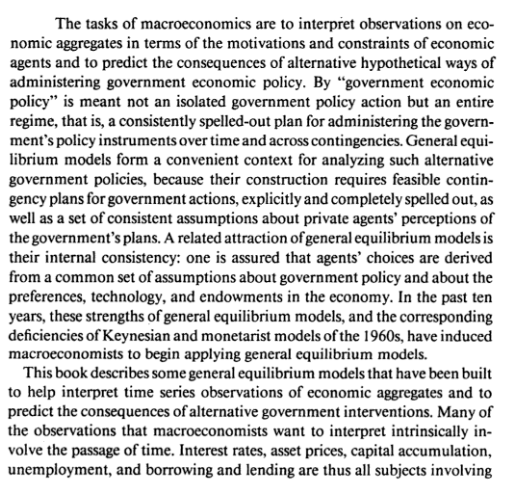
From Thomas Sargent’s Dynamic Macroeconomic Theory
25 Jul 2019 Leave a comment
in history of economic thought, macroeconomics
The muting of political fulmination: how pamphleteers were brought to book by NZ’s advertising police
25 Jul 2019 Leave a comment

Emma Vere-Jones – according to a website in that name – describes herself as a journalist, author and copywriter. What distinctions she draws among those different forms of writing are a moot point, assuming she is the same Emma Vere-Jones who has brought a bunch of political pamphleteers to account as “advertisers” for disseminating material with which she disagrees.
Pamphleteering – we should not forget – was an early form of journalistm and in the days before the advent of the periodical press, pamphleteers were the world’s proto-journalists.
As a paper platform for a spectrum of religious fanatics, eccentrics, social commentators, and satirists, the pamphlet evolved as a weapon of propaganda (forged between the fledgling press and Star Chamber censorship) for powerful vested interest groups, political parties, governments – and revolutionists.
The Guttenberg revolution of the Renaissance provided the spark and the Reformation of the sixteenth century…
View original post 1,636 more words
Seinfeld: Wedding Rings signal quality
25 Jul 2019 Leave a comment
in economics of information, economics of love and marriage, law and economics, television Tags: dating market, signalling
The most feminist religion?
25 Jul 2019 Leave a comment
in economics of religion, law and economics, property rights

More and More Evidence that Higher Minimum Wages Mean Fewer Jobs and Less Opportunity
25 Jul 2019 Leave a comment

How many times can you say the same thing over and over and over again?
When it comes to the minimum wage, we may never know the answer.
 No matter how often new research is produced showing that low-skilled workers are hurt when politicians cut off the bottom rungs of the economic ladder, politicians persist in pushing for bad policy.
Many state already have increased minimum wages, and the “Fight for $15” crowd wants a nationwide increase.
So let’s explain, for the umpteenth time, why this is misguided.
We have lots of data and anecdotes to review, so let’s begin with some scholarly research from Europe.
Here are some results from a study in Denmark, where the minimum wage increases when workers reach age 18, at which point many of them lose their jobs (h/t: Marginal Revolution).
This paper estimates the long-run impact of youth minimum wages…
View original post 1,310 more words
The Hypocrisy of Bernie Sanders
25 Jul 2019 Leave a comment
Two months ago, I pointed out that San Francisco’s housing crisis was a “learnable moment” because some folks on the left actually now understand the negative consequences of government intervention.
 Now I’m wondering if we might actually have a learnable moment on the issue of minimum wages for Crazy Bernie.
The Vermont socialist is experiencing something akin to what it’s like to be an entrepreneur or business owner. He’s having to generate revenue for his campaign and figure out the best way to allocate the funds.
And – surprise, surprise – he doesn’t want to pay above-market wages. Which makes him a giant hypocrite since he wants to use government coercion to impose higher minimum wages on the private sector.
Professor Art Carden highlights three things that Bernie should learn from this experience.
Bernie Sanders is having trouble with his unionized–and apparently underpaid–labor force. …the Sanders campaign…
View original post 326 more words


Recent Comments