
Sam Peltzman Regulation and the wealth of nations
21 May 2019 Leave a comment
in applied price theory, development economics, economic growth, economic history, economics of regulation, environmental economics, health economics, industrial organisation, labour economics, law and economics, Public Choice, Sam Peltzman, transport economics
Britain’s Most Daring WW2 Raid
21 May 2019 Leave a comment
in defence economics, laws of war, war and peace Tags: World War II
Byzantium: The Apogee by John Julius Norwich (1991)
20 May 2019 Leave a comment

By the tenth century to be a eunuch was, for a promising youth about to enter the imperial service, a virtual guarantee of advancement; many an ambitious parent would have a younger son castrated as a matter of course. (p.130)
This is a timeline of Byzantine emperors between 802 and 1081, based on John Julius Norwich’s book, Byzantium: The Apogee (1991).
This book is volume two in his three-volume history of the Byzantine Empire, and the first thing you notice is that although the book is a similar length to the first one (389 pages to volume one’s 408), it covers only half the number of years (478 years in volume one, 281 in this volume). The reason is that there are more sources for this later period, and the sources are more complete, and so our histories can be more detailed.
Permanently embattled
By the time this book starts…
View original post 10,412 more words
Do Trigger Warnings Really Help?
20 May 2019 Leave a comment
in health economics Tags: economics of mental illness
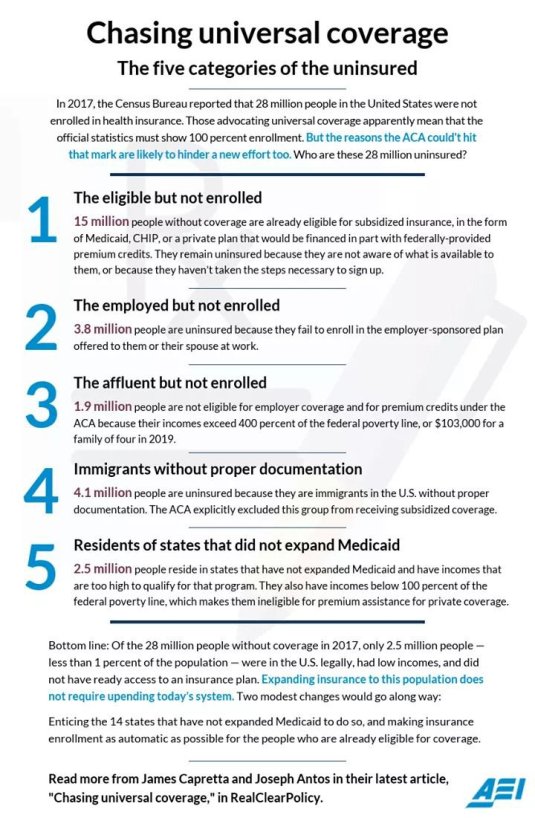
I thought Obamacare made health care universal?
20 May 2019 Leave a comment
in health economics, politics - New Zealand, public economics Tags: health insurance, social insurance
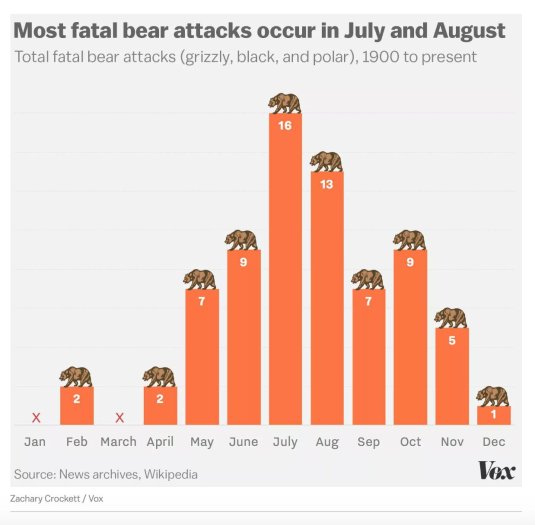
A sweeping endorsement of nobel savage anthropology by @ChiefSciAdvisor! What does it say for inevitability of men imposing patriarchy?
20 May 2019 Leave a comment
in discrimination, economic history, economics of bureaucracy, economics of crime, gender, law and economics, politics - New Zealand, Public Choice Tags: law and order, political correctness

Dr. Popper: Or How I Learned to Stop Worrying and Love Metaphysics
20 May 2019 Leave a comment

Introduction to Falsificationism
Although his reputation among philosophers was never quite as exalted as it was among non-philosophers, Karl Popper was a pre-eminent figure in 20th century philosophy. As a non-philosopher, I won’t attempt to adjudicate which take on Popper is the more astute, but I think I can at least sympathize, if not fully agree, with philosophers who believe that Popper is overrated by non-philosophers. In an excellent blog post, Phillipe Lemoine gives a good explanation of why philosophers look askance at falsificationism, Popper’s most important contribution to philosophy.
According to Popper, what distinguishes or demarcates a scientific statement from a non-scientific (metaphysical) statement is whether the statement can, or could be, disproved or refuted – falsified (in the sense of being shown to be false not in the sense of being forged, misrepresented or fraudulently changed) – by an actual or potential observation. Vulnerability to potentially contradictory…
View original post 5,323 more words
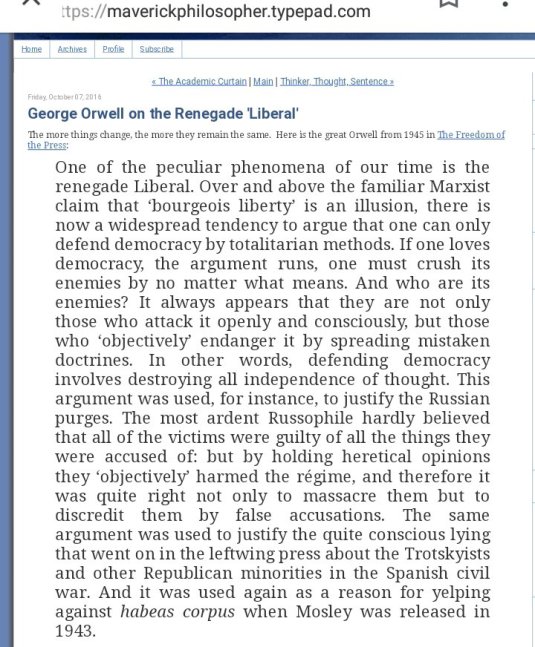
George Orwell on the renegade liberal
20 May 2019 Leave a comment
in economics of crime, economics of information, economics of media and culture, law and economics, Public Choice Tags: George Orwell, regressive left

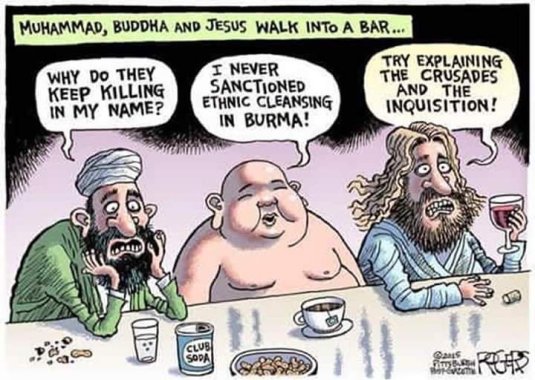
Will this religious stereotyping be hate speech if @NZGreens get their way?
20 May 2019 Leave a comment
in defence economics, economic history, economics of crime, economics of religion, law and economics, laws of war, politics - New Zealand, Public Choice, war and peace Tags: free speech, political correctness, regressive left


Recent Comments