
Little has changed
22 Apr 2019 Leave a comment
in applied price theory, comparative institutional analysis, economics of regulation, energy economics, politics - USA, Public Choice, public economics, rentseeking Tags: The fatal conceit
David D. Friedman | Market failure
22 Apr 2019 Leave a comment
in applied price theory, applied welfare economics, comparative institutional analysis, constitutional political economy, David Friedman, economic history, economics of bureaucracy, economics of crime, economics of regulation, entrepreneurship, environmental economics, Gordon Tullock, income redistribution, industrial organisation, international economics, law and economics, personnel economics, property rights, Public Choice, public economics, rentseeking, survivor principle, theory of the firm Tags: market failure
Conversation with Supreme Court Justice Antonin Scalia
22 Apr 2019 Leave a comment
in comparative institutional analysis, law and economics, politics - USA Tags: constitutional law
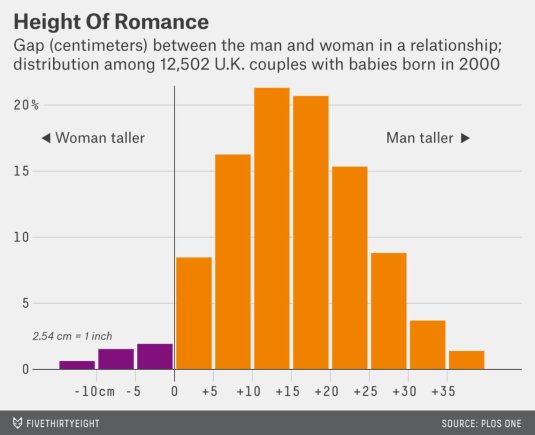
James Damore at Portland State: are men taller than women on average? Does anyone take offense at that fact?
21 Apr 2019 Leave a comment
in discrimination, economics of media and culture, gender, health economics, politics - USA Tags: free speech
The Scramble For Norway – WW2 – 034 – April 20 1940
21 Apr 2019 Leave a comment
in defence economics, war and peace Tags: World War II
Free to Choose by Milton Friedman: Episode “Created Equal” (Part 1 of transcript and video)
21 Apr 2019 Leave a comment


Milton Friedman and Ronald Reagan
Liberals like President Obama (and John Brummett) want to shoot for an equality of outcome. That system does not work. In fact, our free society allows for the closest gap between the wealthy and the poor. Unlike other countries where free enterprise and other freedoms are not present. This is a seven part series.
Created Equal [1/7]. Milton Friedman’s Free to Choose (1980)
Uploaded by investbligurucom on May 30, 2010
In this program, Milton Friedman visits India, the U.S., and Britain, examining the question of equality. He points out that our society traditionally has embraced two kinds of equality: equality before God and equality of opportunity. The first of these implies that human beings enjoy a certain dignity simply because they are members of the human community. The second suggests societies should allow the talents and inclinations of individuals to unfold, free from arbitrary barriers. Both of these concepts…
View original post 1,226 more words



Recent Comments