That Time When 3 Astronauts Went on Strike in Space
23 Oct 2018 Leave a comment
in economic history, economics of media and culture Tags: space
The Real Science of Forensics
23 Oct 2018 Leave a comment
in economics of crime, law and economics, movies, television
Why Our Brains Recognize Faces So Easily… or Fail at It
23 Oct 2018 Leave a comment
in economics of media and culture, health economics
The Current Financial Crisis and the Great Depressions of the 20th Century” by Prof. Timothy J. Kehoe
23 Oct 2018 Leave a comment
in applied price theory, business cycles, great depression, labour economics, labour supply, macroeconomics
The 30 Mile Zone That Explains Why Hollywood Exists
23 Oct 2018 Leave a comment
in labour economics, law and economics, movies, television, unions
The Island That Switches Countries Every Six Months
23 Oct 2018 Leave a comment
in International law Tags: economics of border
Historiography of Soviet Espionage in America (Part 2) Ronald Radosh
22 Oct 2018 Leave a comment
in defence economics, economics of crime, law and economics, politics - USA Tags: Cold War
Everybody Hates Chris S03E08 – Everybody Hates #MinimumWage
22 Oct 2018 Leave a comment
in labour economics, minimum wage, unemployment

 Hmmmmm…
 My brain hurts
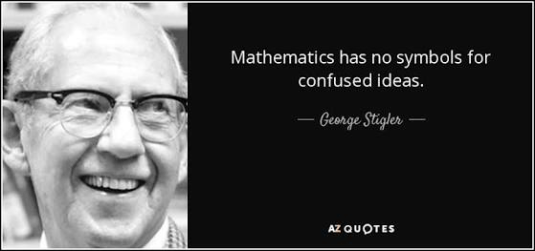
@ProfSteveKeen never predicted GFC
22 Oct 2018 Leave a comment
in financial economics, macroeconomics
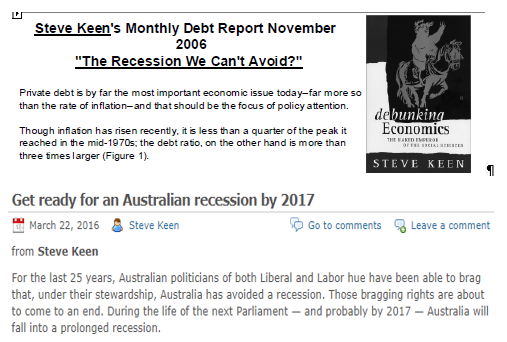
Post-Keynesian macroeconomists believe business cycle theory starts and finishes with recurrent private debt bubbles that lead to inevitable financial crashes because private investors repeatedly borrow more than they can pay back and never learn.

Bold, risky science in the finest tradition of Karl Popper. Keen strictly forbids a recession not following a build up of private debt. His theory is too bareboned to have a protective belt of auxiliary hypotheses that save him from refutation.
Post-Keynesians identified a great business opportunity shorting these recurrent debt bubbles but must crowd source further development of the Minsky Software that successfully predicted the GFC.
Top hedge fund managers earn at least $400 million a year so they could easily spare a few million dollars over lunch on the off chance that there is something in Post-Keynesian macroeconomics and the Minsky software.
IPCC Freakonomics
22 Oct 2018 Leave a comment


The latest unguided missile IPCC report came out of a South Korea meeting, and surprisingly the first media response was silence. Could it be some of them actually considered that these new claims and demands are so over the top that their audiences will guffaw and break with their media masters once and for all?
 The graph illustrates the problem very clearly. Since 1992, the UN Framework Convention on Climate Change has met 23 times. These UNFCCC discussions have utterly failed to reduce CO2 emissions. Yet from 2020, emissions have to drop dramatically, if we are to stand a chance of keeping global warming below 1.5°C.
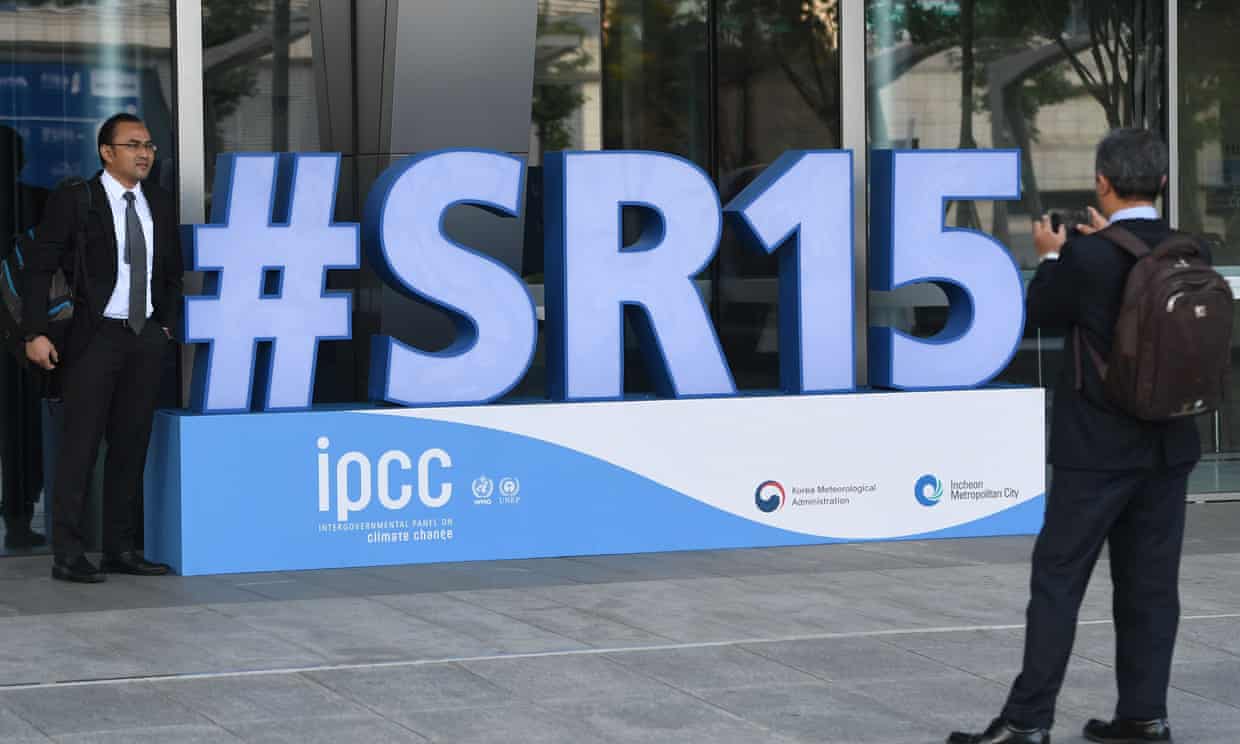
According to IPCC SR15 this will require an annual average investment of around US$2.4 trillion (at 2010 prices) between 2016 and 2035, representing approximately 2.5% of global gross domestic product (GDP). The cost of inaction and delay, however, will be many times greater. (sic). …
View original post 1,172 more words


Recent Comments