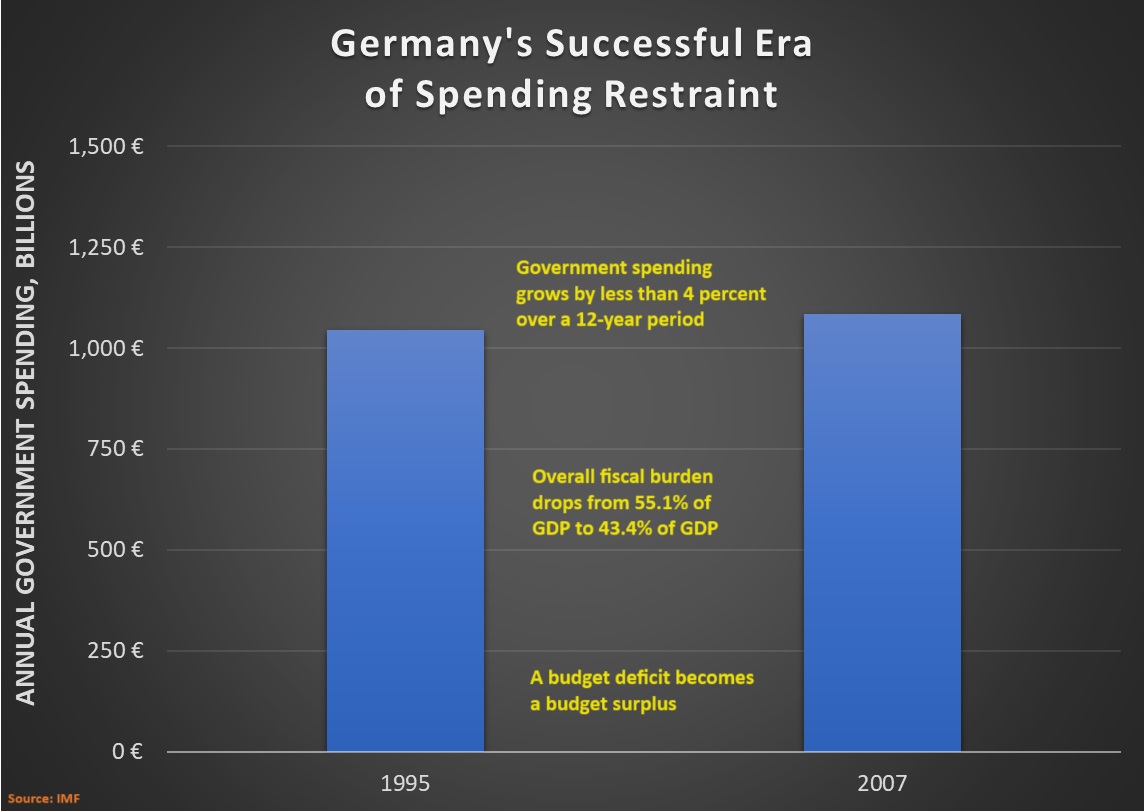
A lot has happened if you look at the past 100 years of German economic policy. Hyperinflation leading to Hitler’s National Socialists taking power. An impressive free-market revival after World War II. A growing welfare state after the imposition of a value-added tax in the 1960s. Some semi-impressive spending restraint starting in the mid-1990s. Very […]
The latest 1 News – Verian poll is very good for the Government. The party vote is: So a whopping 12% lead on the party vote. This would give the Government 67 seats – the same as it got at the last election. Also of importance is net economic optimism or confidence. The last poll…
Let’s hope the Supreme Court agrees that Boulder’s lawsuit is an excellent opportunity to terminate frivolous climate lawfare, expand on the guidance it provided in these two previous cases – and end attempts by climate activists to impose destructive national policies through local and state courts.
Chris McVeigh writes – If you took a double at the TAB, with the Pope getting married as one leg and Radio New Zealand admitting to a smidgen of left wing partiality as the other, you could be forgiven for thinking that the smart money would be on the Vatican gig bringing home the bacon […]
That is my latest piece for The Free Press, focusing on the claims of Michael W. Green. Excerpt: Most of all, there is a major conceptual error in Green’s focus on high prices. To the extent that prices are high, it is not because our supply chains have been destroyed by earthquakes or nuclear bombs. […]
On December 7, 1941, Japanese planes attacked the United States Naval Base at Pearl Harbor in the Hawaii Territory, killing more than 2,300 Americans. The U.S.S. Arizona was completely destroyed, and the U.S.S. Oklahoma capsized. In total, twelve ships were sunk or beached, and nine additional vessels were damaged. More than 160 aircraft were destroyed […]
ACT have listed the achievements of the Coalition Government over the last two years that they played an important role in. It is a long list, reproduced below. Law & Order Economy & the Cost of Living Backing Rural New Zealand Defending Equal Rights & Democracy Health Building & Infrastructure Education A change of government…
Simon Wilson, like many on the hard left, sees the West as basically malignant, and that its achievements were based on oppression. This is not an uncommon view from the left. David Harvey does an excellent lengthy response to Wilson’s assertions. Read it all, but here are some key aspects: The article argues that Hammurabi…
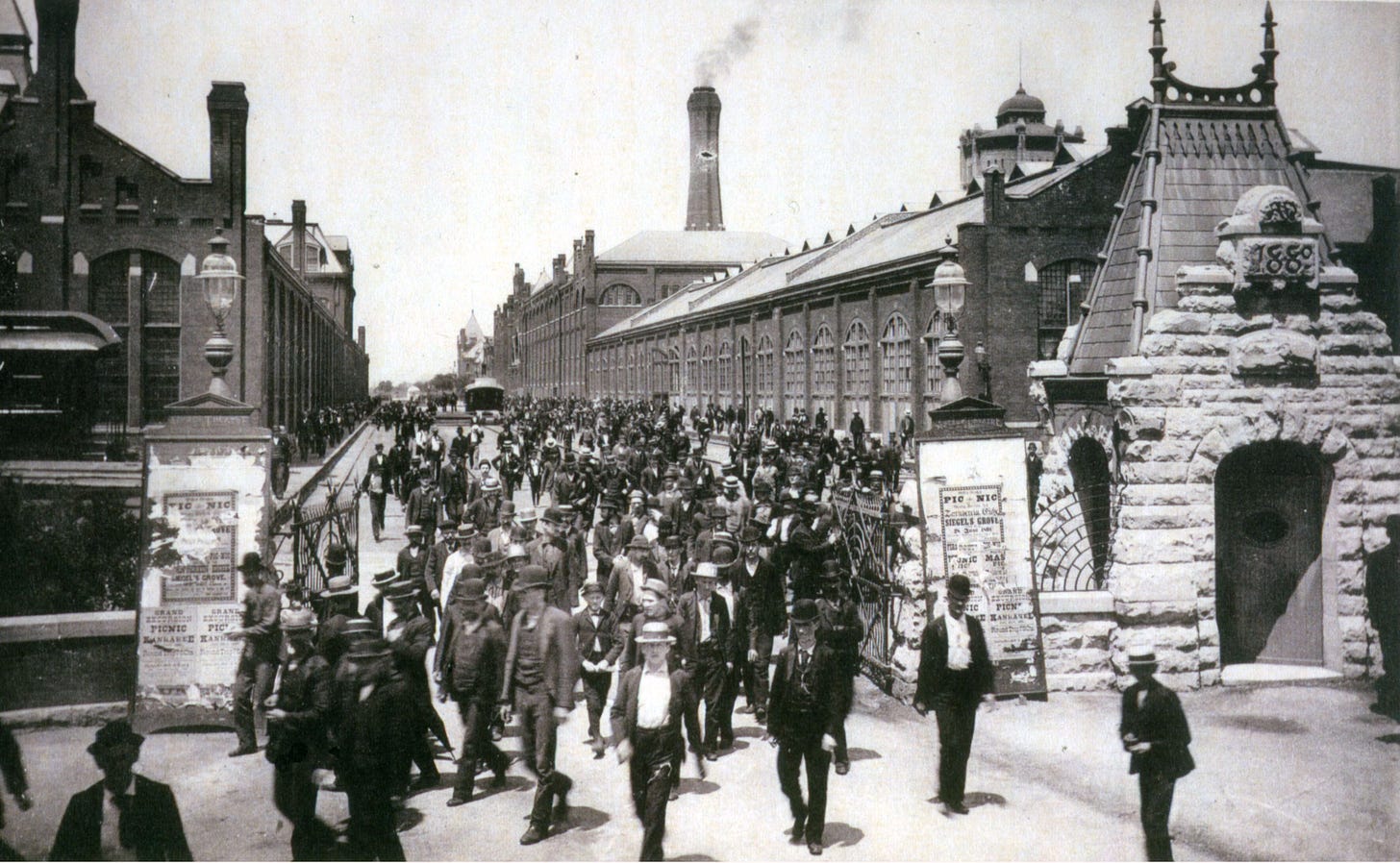
A quarter century ago, economist Price Fishback published “Operations of ‘Unfettered’ Labor Markets: Exit and Voice in American Labor Markets at the Turn of the Century” 1,762 more words
A widely-referenced 2024 study that predicted massive global economic damages due to climate change has now been retracted, The New York Times (NYT) reported on Wednesday.
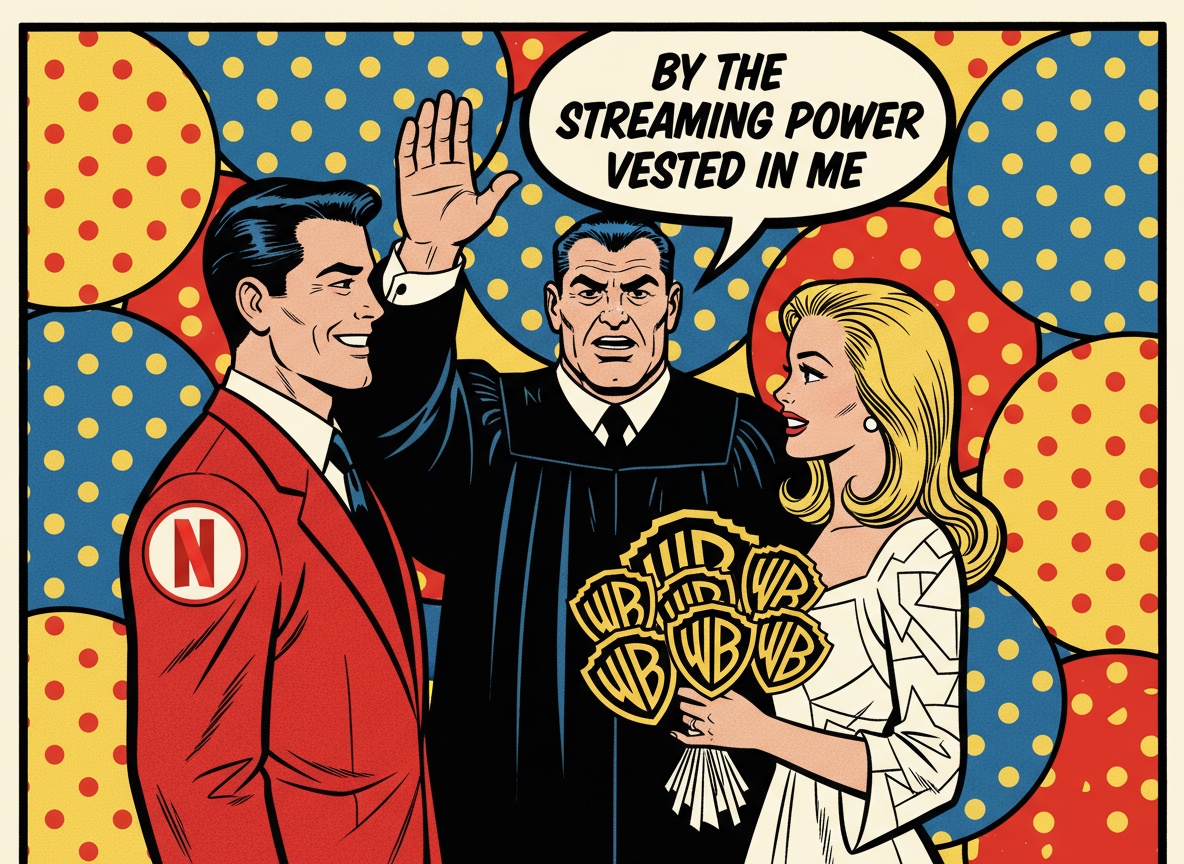
This morning’s announced merger between Netflix and Warner Bros. Discovery (WBD) would create a global media company of unprecedented scale. The transaction will also almost certainly attract scrutiny from antitrust regulators—most likely the U.S. Justice Department (DOJ) Antitrust Division, rather than the Federal Trade Commission (FTC). The deal would offer a direct test of the…
As Craig Garthwaite and Timothy Layton point out: “Originally a small, inexpensive safety-net program, Medicaid has grown into a major national health-insurance provider, covering nearly one in four Americans and more people than the public health insurance programs of the United Kingdom, Germany, or France.” They review the program and offer some recommendations in “Coverage Isn’t…
In Japan, you see native-born East Asians doing menial jobs everywhere you look. You see Japanese janitors, Japanese street-sweepers, Japanese convenience store workers, Japanese crossing guards, Japanese taxi drivers, and Japanese laborers on construction sites. 904 more words
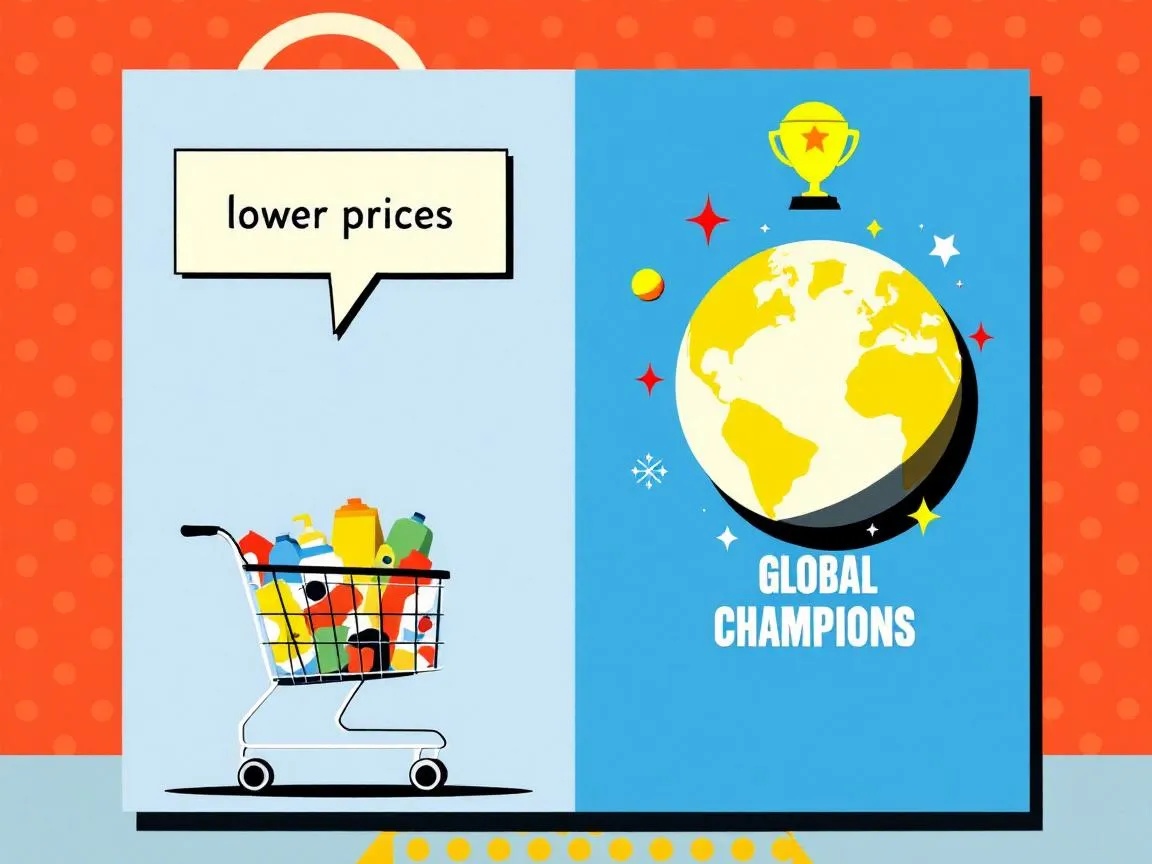
Nations around the world are reassessing antitrust policy (generally called “competition policy” overseas). Governments, regulators, and industry leaders are increasingly asking whether traditional antitrust enforcement is holding back the “competitiveness” of domestic firms. The term now shows up in speeches by European commissioners, in UK government directives, in U.S. merger battles, and in Canadian legislative…
Why Evolution is True is a blog written by Jerry Coyne, centered on evolution and biology but also dealing with diverse topics like politics, culture, and cats.
“We do not believe any group of men adequate enough or wise enough to operate without scrutiny or without criticism. We know that the only way to avoid error is to detect it, that the only way to detect it is to be free to inquire. We know that in secrecy error undetected will flourish and subvert”. - J Robert Oppenheimer.


 Utopia, you are standing in it!
Recent Comments