
On the 19th February 1388, one of the most dramatic events of medieval parliamentary history took place. Simon Payling from our Commons 1461-1504 project reflects on the capture and execution of Sir Robert Tresilian and the unusual circumstances surrounding it…
The appropriately and contemporaneously named ‘Merciless’ Parliament of 1388 was among the most dramatic of medieval Parliaments, and the capture and execution of Sir Robert Tresilian, chief justice of the King’s bench, on 19 February was, arguably, its most dramatic event. He, like others, was a victim of the orgy of political violence unleashed by the breakdown of relations between the young King and a powerful group of leading nobles, headed by his uncle, Thomas of Woodstock, duke of Gloucester, and Richard Fitzalan, earl of Arundel.That violence claimed more distinguished and worthy victims than Tresilian, but his execution claims a special interest not only as the first in the series…
View original post 1,082 more words

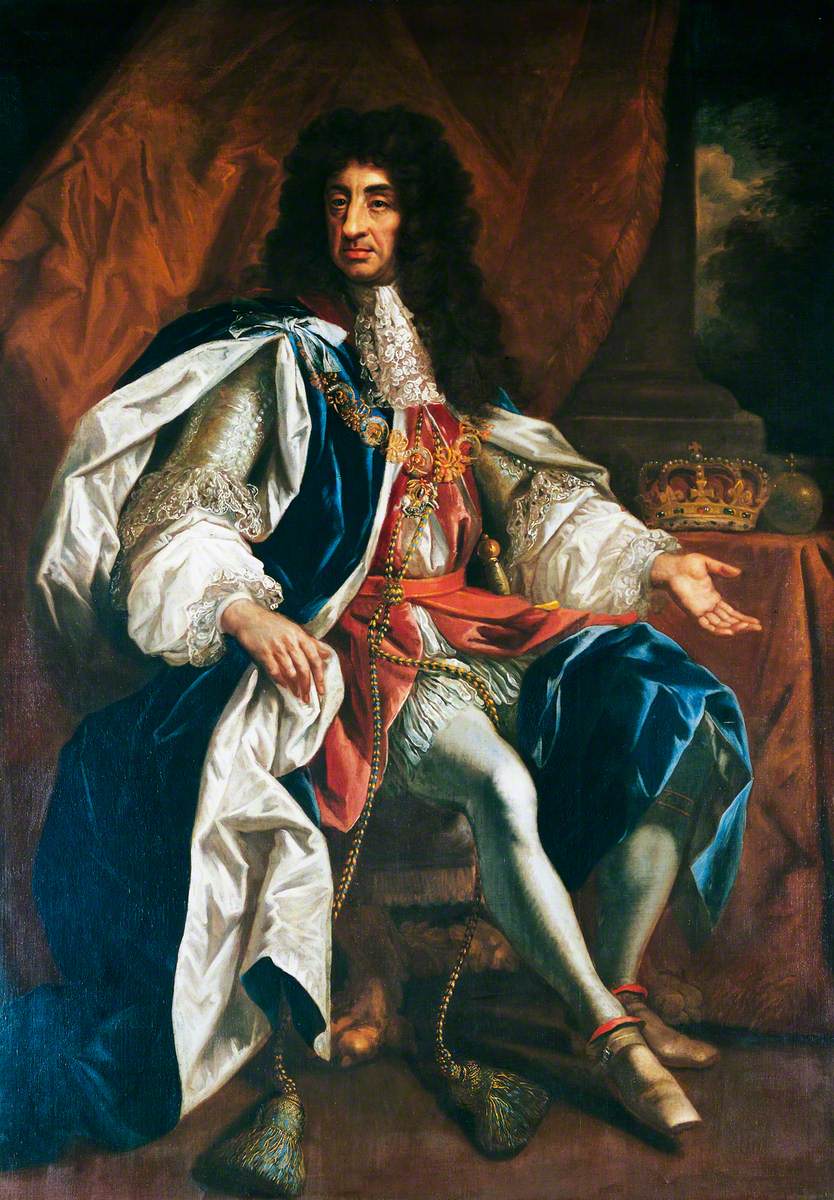 The execution of Charles I was stayed until January 30, so that the House of Commons could pass an emergency act, the “Act prohibiting the proclaiming any person to be King of England or Ireland, or the Dominions thereof”.
 Queen Elizabeth II was a Queen Regnant. A Queen Regnant is a Sovereign Queen in whom all the powers of the Crown are invested in, and who inherited the throne through hereditary succession.
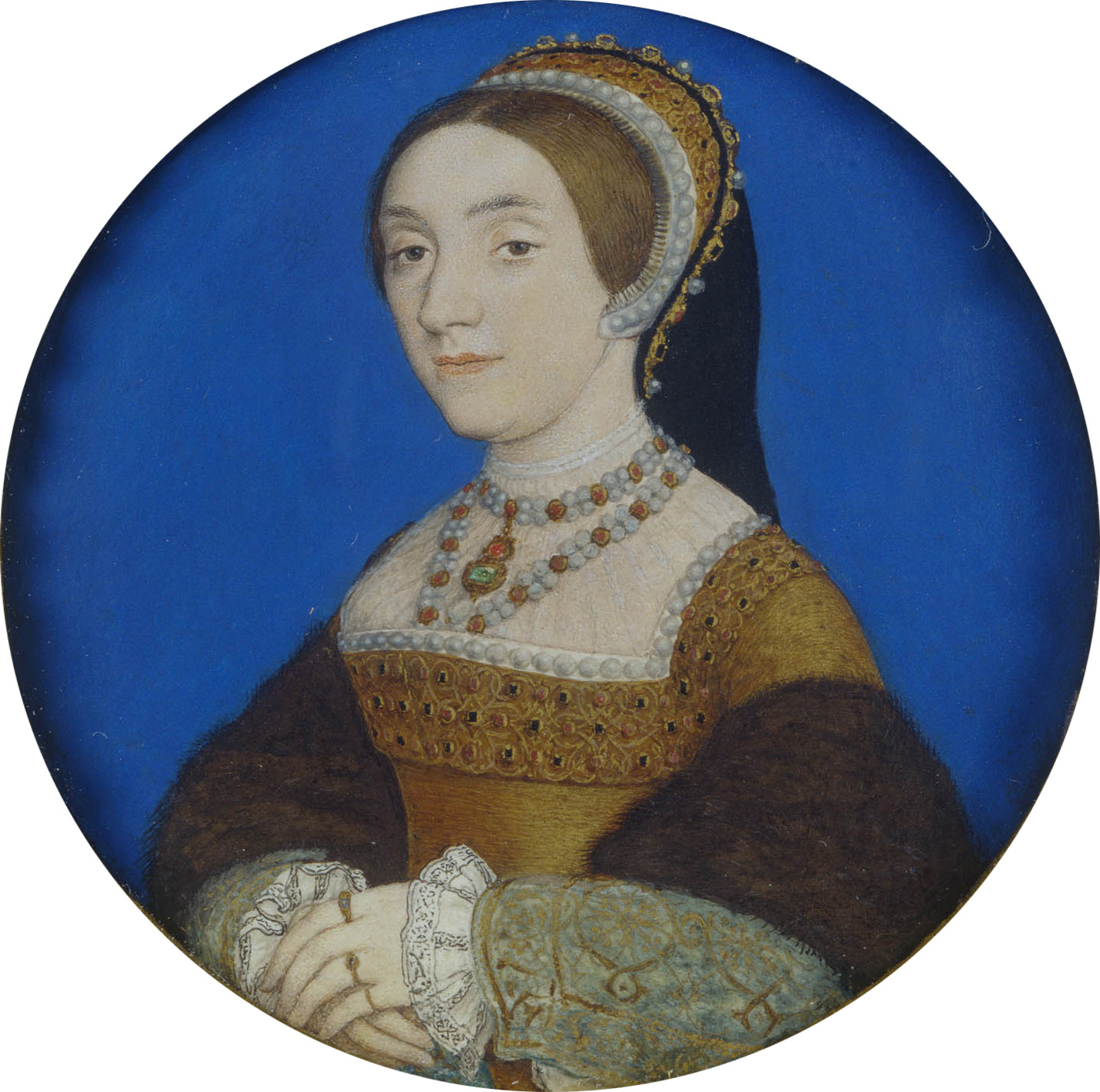 People who claimed to have witnessed her earlier sexual behaviour while she lived at Lambeth reportedly contacted her for favours in return for their silence, and some of these blackmailers may have been appointed to her royal household.
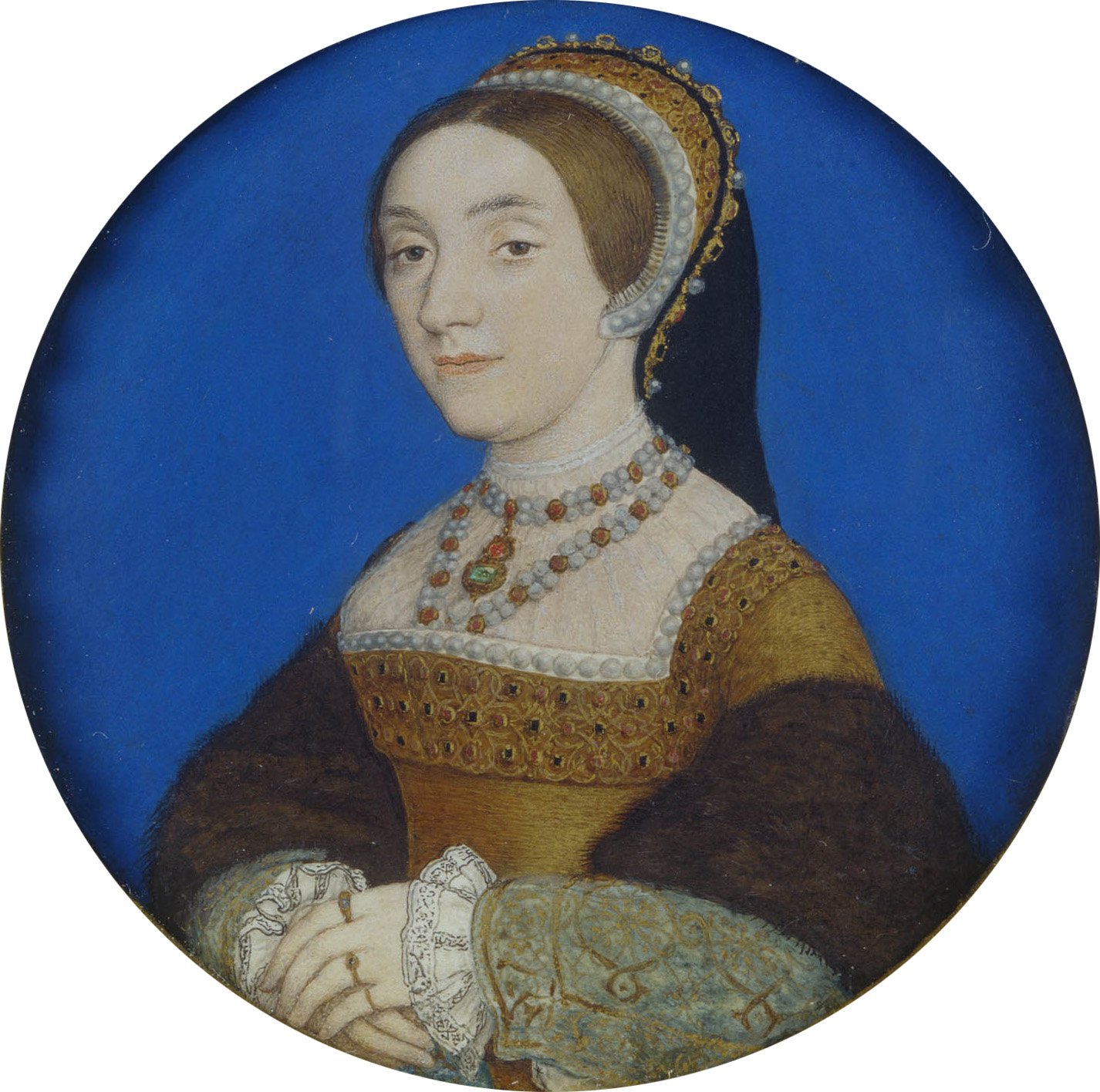 Catherine Howard


Recent Comments