
In the previous entries we followed Charles II from his father’s execution to his entry into London on May 29, 1660 as His Majesty King Charles II of England, Scotland and Ireland.
So the question I asked at the start of the series is, when did Charles assume the title of “King?”
Let us examine the evidence.
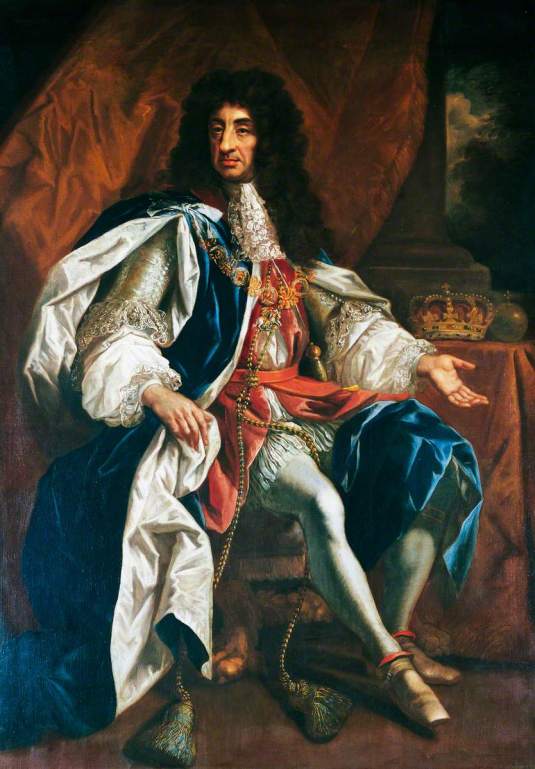 The execution of Charles I was stayed until January 30, so that the House of Commons could pass an emergency act, the “Act prohibiting the proclaiming any person to be King of England or Ireland, or the Dominions thereof”.
The purpose of the Act was to prevent the automatic succession of Charles’s son as King, or the proclamation of another person as King.
The Commons voted to abolish the House of Lords on February 6 and to abolish the monarchy on February 7; an act abolishing the kingship was formally passed by the…
View original post 262 more words
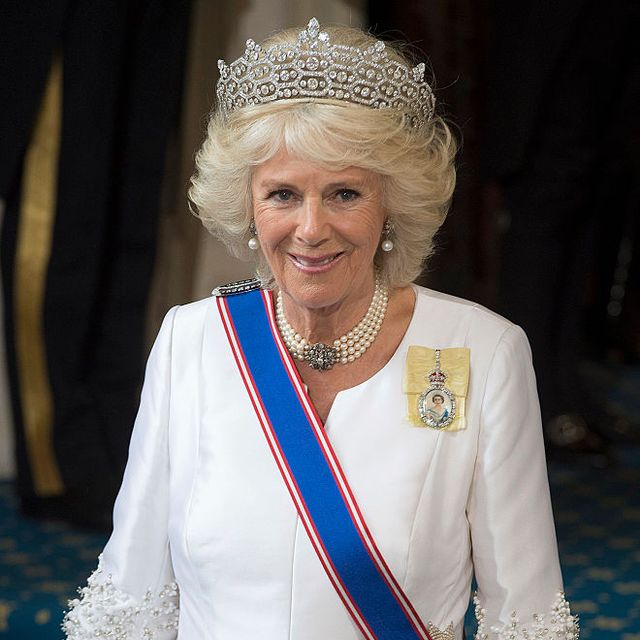 Queen Elizabeth II was a Queen Regnant. A Queen Regnant is a Sovereign Queen in whom all the powers of the Crown are invested in, and who inherited the throne through hereditary succession.
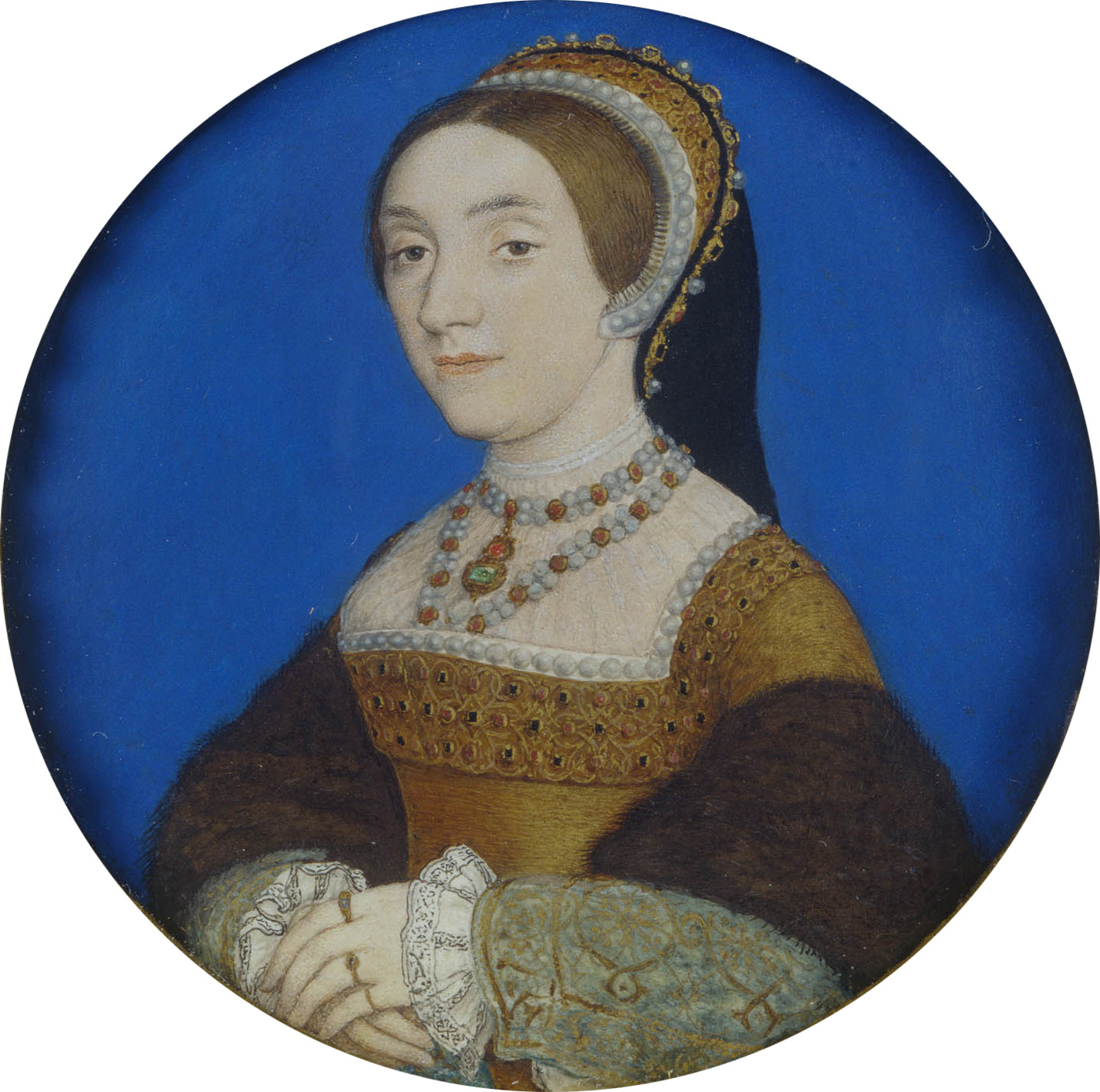 People who claimed to have witnessed her earlier sexual behaviour while she lived at Lambeth reportedly contacted her for favours in return for their silence, and some of these blackmailers may have been appointed to her royal household.
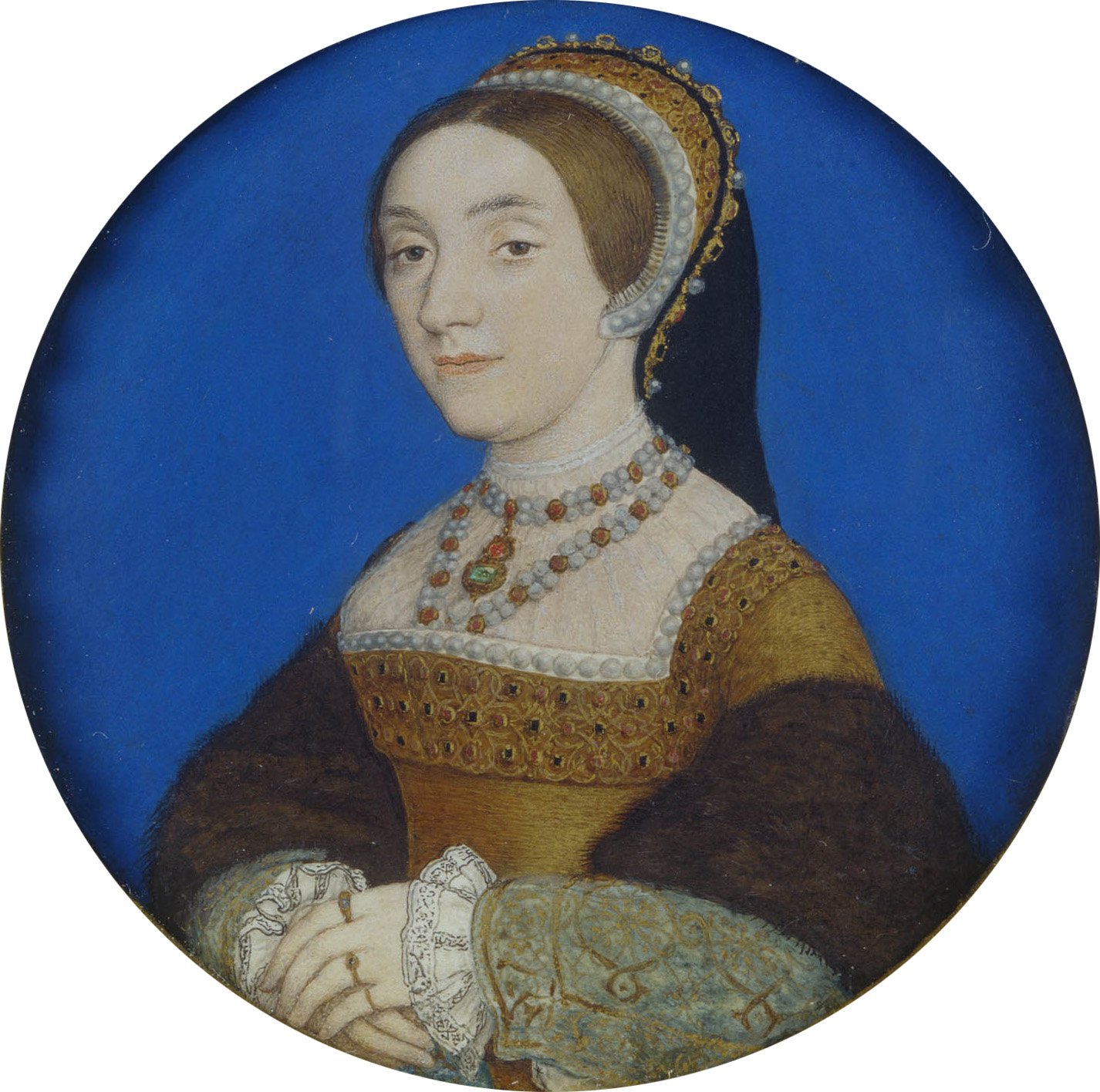 Catherine Howard


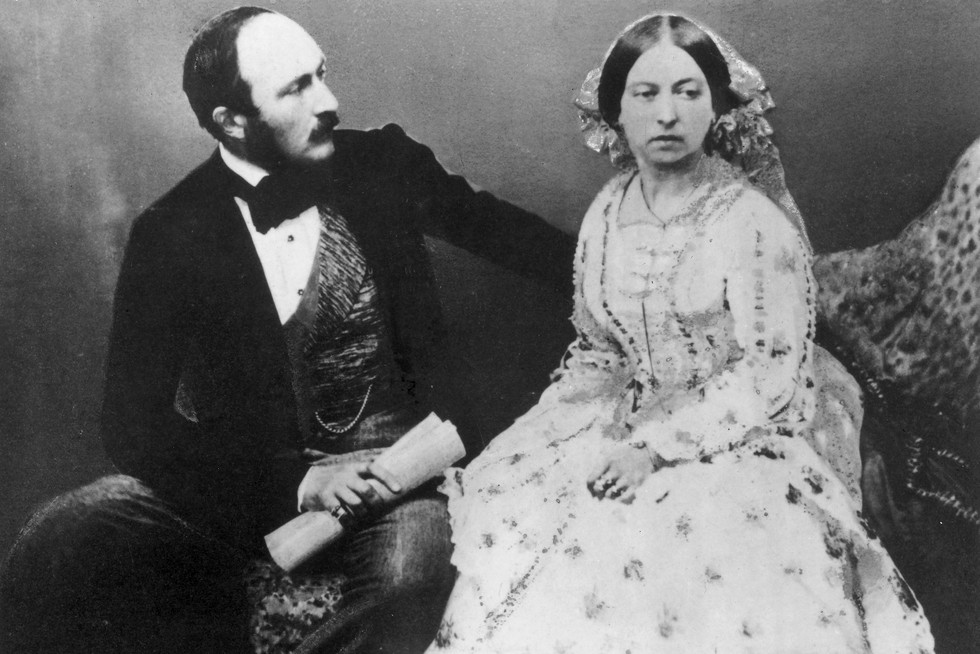 Victoria (Alexandrina Victoria; May 24, 1819 – January 22, 1901) was Queen of the United Kingdom of Great Britain and Ireland from 20 June 1837 until her death in 1901. Her reign of 63 years and 216 days was the second longest reign in British history and was known as the Victorian Era.
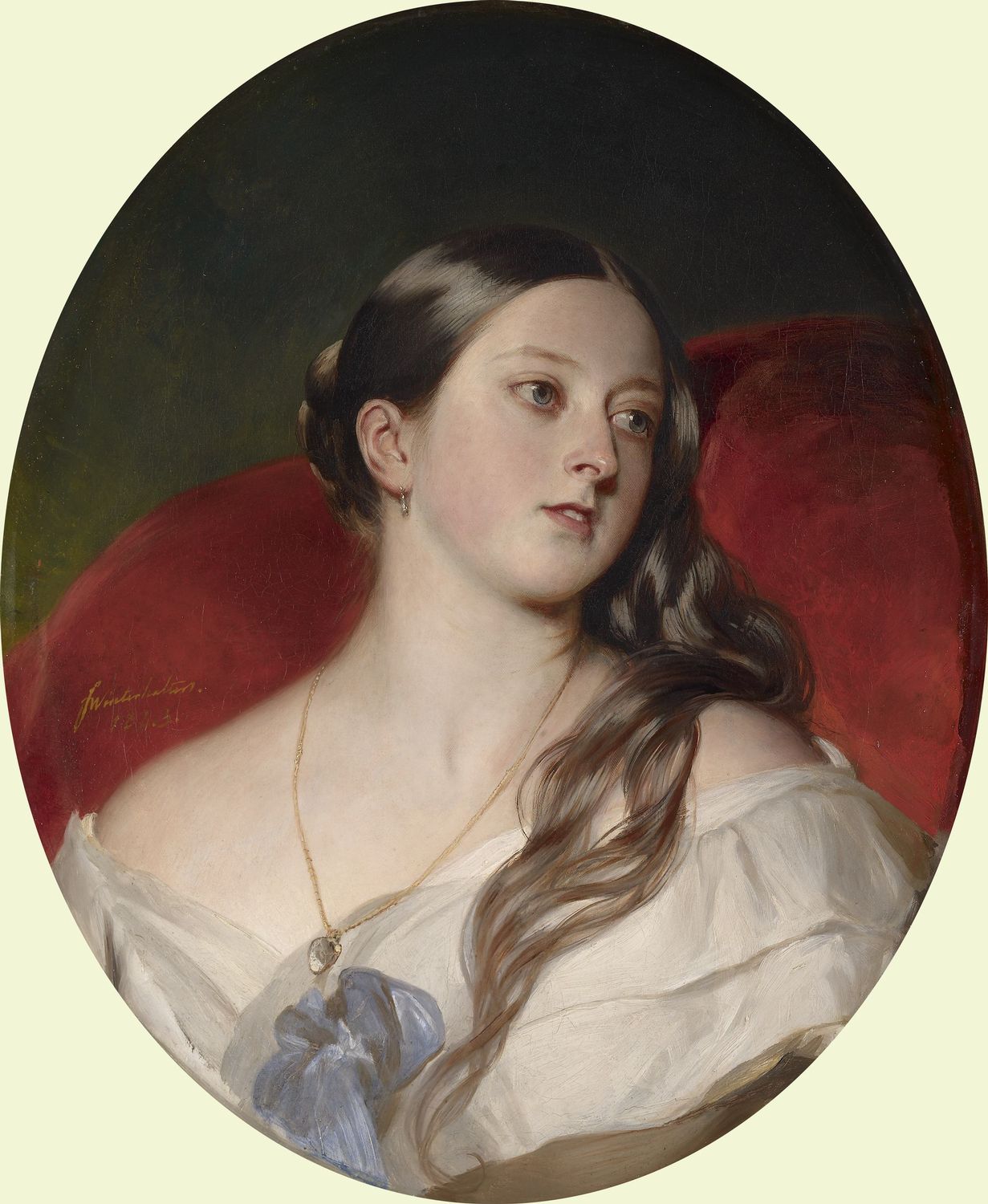 She was the fourth daughter and seventh child of Franz Friedrich Anton, Duke of Saxe-Coburg-Saalfeld, and Countess Augusta of Reuss-Ebersdorf. One of her brothers was Ernst I, Duke…


Recent Comments