
Drivers warned EV charging will be 98% more difficult in 2031 than it is today
13 Sep 2022 Leave a comment
Good Intentions 1of3 Introduction and Public Schools with Walter Williams
13 Sep 2022 Leave a comment
in applied price theory, Austrian economics, comparative institutional analysis, discrimination, economic history, economics of education, human capital, labour economics, labour supply, poverty and inequality, unemployment, unions, welfare reform Tags: child poverty, family poverty, racial discrimination
Michael Foran: Interpretation after the Human Rights Act? The Principle of Legality and the Rule of Law
13 Sep 2022 Leave a comment


Last week Liz Truss’s cabinet decided to shelve the proposed British Bill of Rights. Quite a lot has been said about the Bill since it was announced and many have welcomed the quiet demise of what was perceived by some to be a dangerous inroad into our human rights protection. Others have suggested that the Bill would never have been able to make good on the hopes of those who wish to see the U.K. unshackled from the jurisdiction of the Strasbourg Court. Rajiv Shah, a former special advisor in the Ministry of Justice and the No 10 Policy Unit, argues that the Bill was presented as containing a lot of red meat – to encourage ECHR sceptics and dismay ECHR advocates – while in reality being little more than a vegan steak. On reflection this is a fairly accurate description. One area of concern, however, was the potential repeal…
View original post 1,808 more words
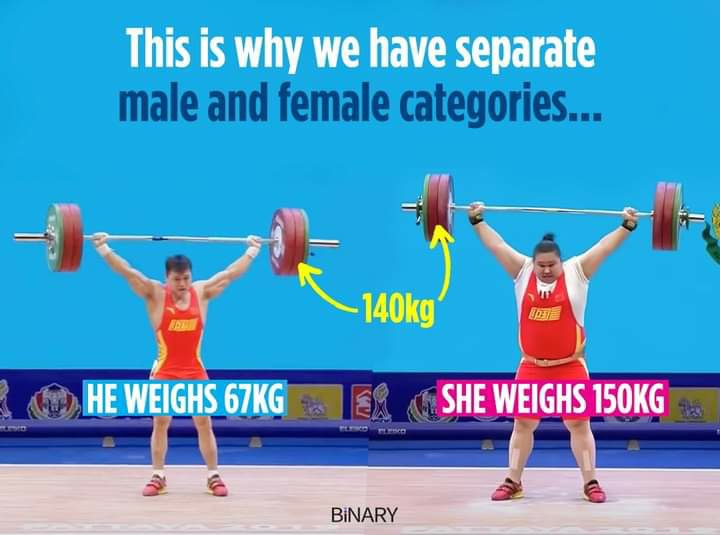
Another gender gap
12 Sep 2022 Leave a comment
in discrimination, gender, labour economics, sports economics Tags: evolutionary biology, sex discrimination

Not So Cheap: Wind & Solar ‘Transition’ Sends Britain’s Power Prices Into Orbit
12 Sep 2022 Leave a comment

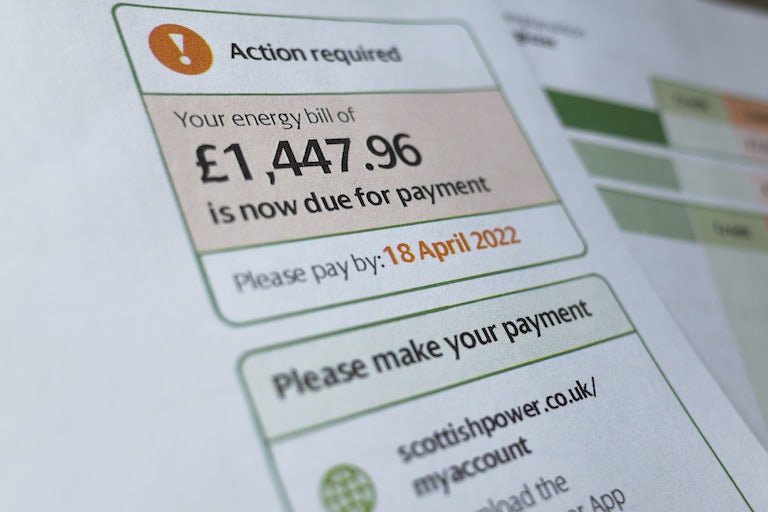
Britain and Germany are the star players in Europe’s self-inflicted renewable energy calamity. Faced with power rationing and crippling power bills, Germans and Brits must be thanking their lucky stars that their governments had the wit and foresight to destroy their coal-fired power plants and give nuclear power the flick.
Banning the exploitation of Britain’s abundant gas reserves has also done great service for their daily energy needs. The Germans had long ago outlawed fracking too, but had banked on Vlad Putin maintaining his supply of Russian gas, ad infinitum. Well, that didn’t pan out.
Who’d have thought that attempting to run exclusively on sunshine and breezes could cause so much trouble? [Note to Ed: we did!]
The team from Jo Nova give a little more insight into the inevitable consequences of the ‘inevitable transition’.
Energy Hyperinflation Ship launching from UK in 3, 2, 1… prices so high there is…
View original post 1,277 more words
The Antibiotics Revolution Part 1: Sulfa Drugs
12 Sep 2022 Leave a comment
in economic history, health economics
Max Hastings – “Western Front Military Commanders in World War I: Myth and Reality”
12 Sep 2022 Leave a comment
in defence economics, war and peace Tags: World War I
Walter Williams: Up From the Projects
12 Sep 2022 Leave a comment
in applied welfare economics, Austrian economics, discrimination, economic history, economics of education, human capital, labour economics, labour supply, occupational choice, occupational regulation, poverty and inequality, unemployment, welfare reform Tags: Walter Williams
Self-Inflicted Wind & Solar Calamity Forces Brits to Embrace Reliable Nuclear Power
11 Sep 2022 Leave a comment

Necessity is the mother of energy policy reinvention, and safe, reliable and affordable nuclear is at the heart of it.
In Britain, thanks to its obsession with heavily subsidised and chaotically intermittent wind and solar, power prices are already at astronomical levels. Its political betters are ruing the day they determined to trash their coal-fired power fleet and snub nuclear, altogether.
It wasn’t always thus. Indeed, in 2005, then Labour PM, Tony Blair mocked his Conservative opponent, David Cameron about the need to maintain Britain’s existing nuclear fleet and to build more of the same.
As Judith Sloan details below, power-starved Brits would not be in the disastrous predicament they’re in now, had Blair’s prescient advice been put into action, back then.
A lesson as UK struggles to keep the lights on
The Australian
Judith Sloan
6 September 2022
It was British prime minister Tony Blair who suggested to opposition…
View original post 1,098 more words


Recent Comments