Why does racial inequality persist? | Glenn Loury
25 Jun 2022 Leave a comment
in applied price theory, applied welfare economics, comparative institutional analysis, discrimination, economic history, economics of education, economics of information, human capital, labour economics, labour supply, poverty and inequality Tags: racial discrimination, statistical discrimination
The Guardians of Free Speech
24 Jun 2022 Leave a comment
in economic history, economics of bureaucracy, law and economics, liberalism, libertarianism, Marxist economics, politics - USA, Public Choice Tags: free speech, political correctness, regressive left
America’s Energy Crisis: Subsidised Wind & Solar Main Reason For Record Power Prices
24 Jun 2022 Leave a comment


Failure’s an orphan, success has a thousand fathers, but subsidised wind and solar are central to the energy disaster playing out in America, Europe and Australia.
Faced with rocketing power prices and an angry proletariat, the political classes have amped up their deceptive rhetoric, with wild and fantastic claims that the only way to rein in runaway power costs is to add even more chaotically unreliable and heavily subsidised wind and solar power. A little like throwing gasoline on a raging fire.
Not renowned for his grip on reality, or relationship with the truth, America’s President, the hapless Joe Biden has taken the lead in the stakes for America’s annual Pinocchio awards, as Francis Menton explains below.
Biden’s Most Preposterous Lie Is Too Much Even For The Washington Post
Manhattan Contrarian
Francis Menton
3 June 2022
When President Biden talks, there may or may not be any connection between what…
View original post 1,070 more words
June 22, 1948: King George VI formally gives up the title “Emperor of India” Part II.
24 Jun 2022 Leave a comment

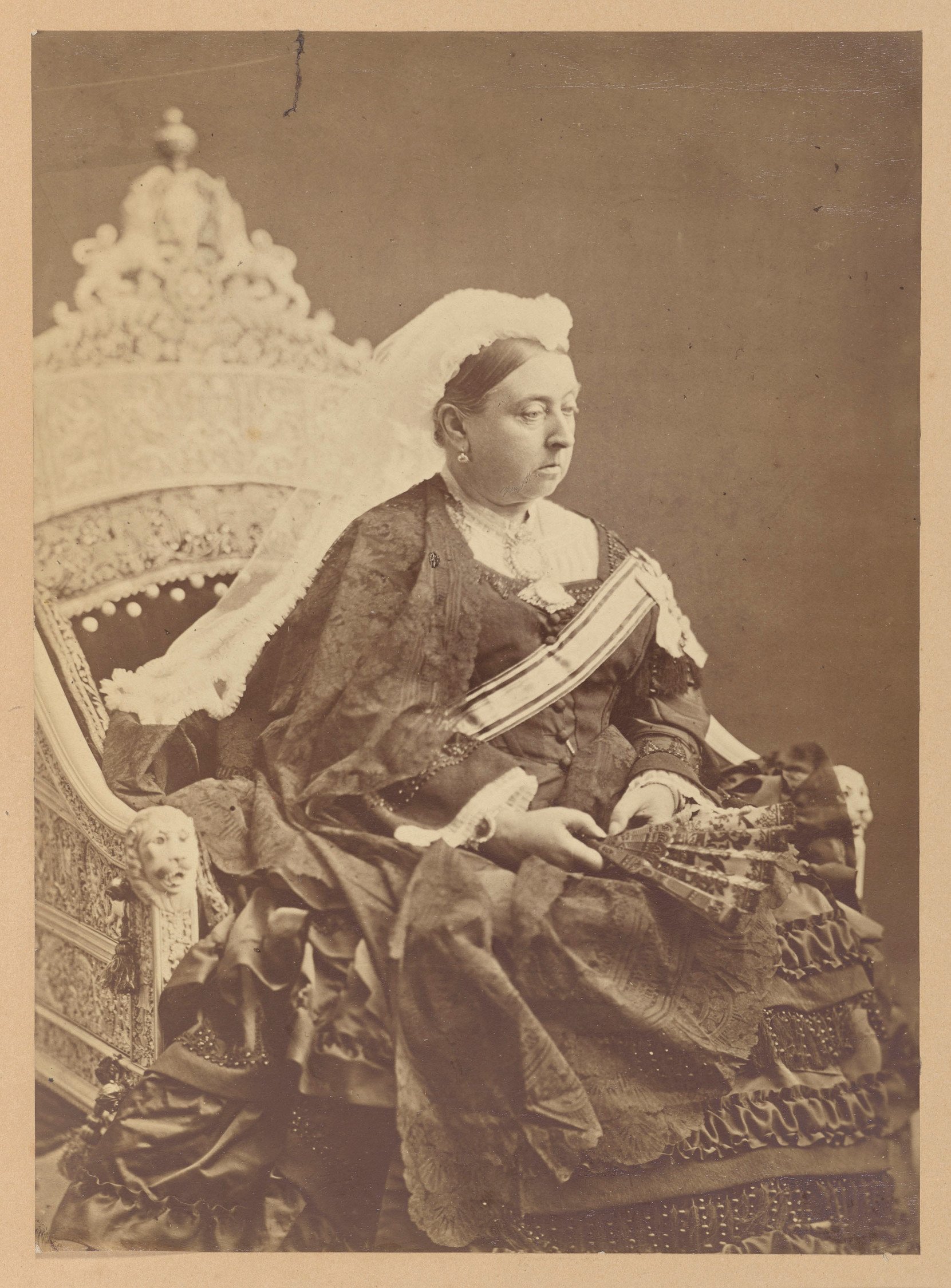 When Edward VII ascended to the throne on January 22, 1901, he continued the imperial tradition laid down by his mother, Queen Victoria, by adopting the title Emperor of India. Three subsequent British monarchs followed in his footsteps.
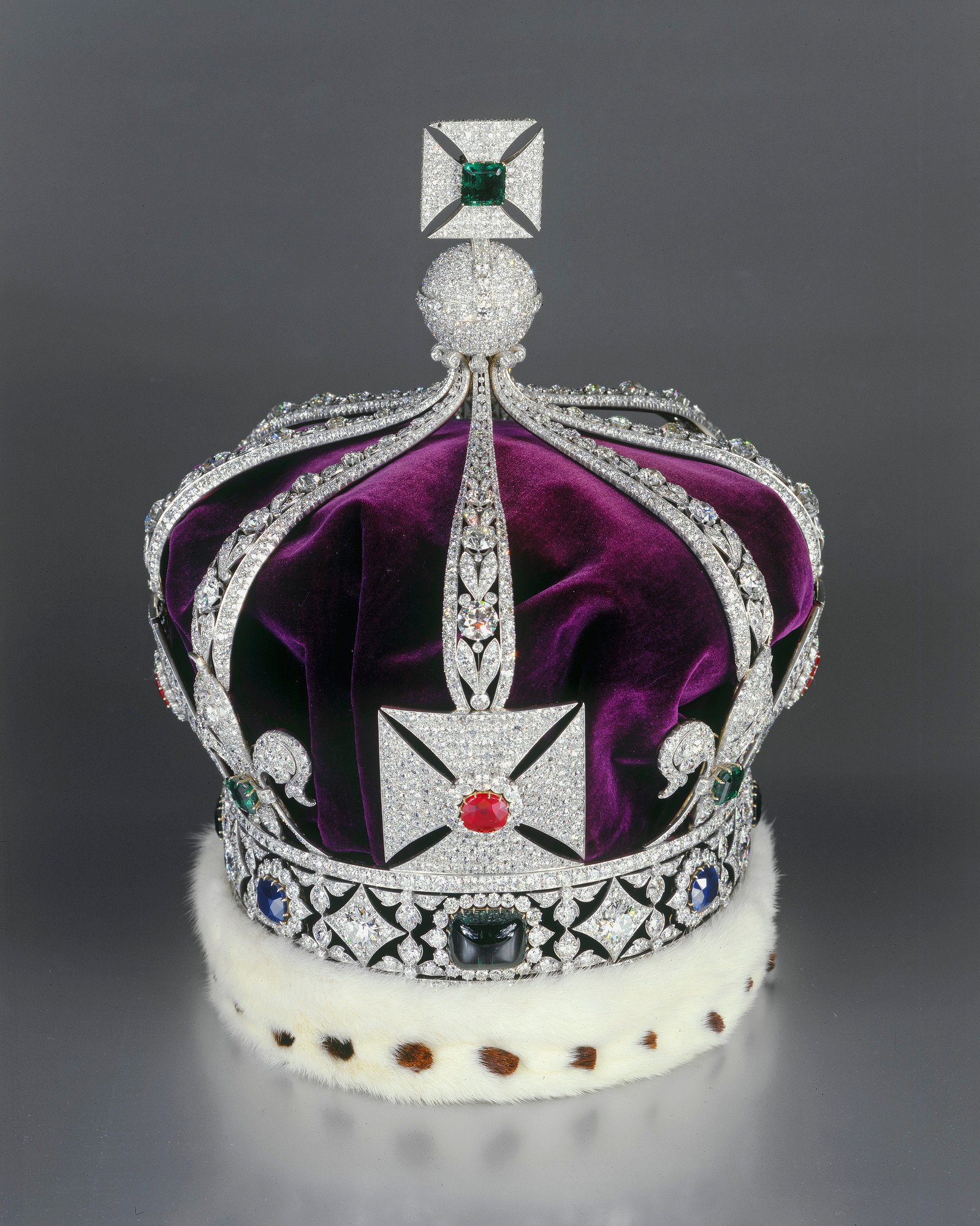
The first emperor to visit India was George V. For his imperial coronation ceremony at the Delhi Durbar, the Imperial Crown of India was created. The Crown weighs 920 g (2.03 lb) and is set with 6,170 diamonds, 9 emeralds, 4 rubies, and 4 sapphires. At the front is a very fine emerald weighing 32 carats (6.4 g). The king wrote in his diary that it was heavy and uncomfortable to wear: “Rather tired after wearing my crown for 3+1⁄2 hours; it hurt my head, as it is pretty heavy.”
 The title “Emperor of India” did not disappear when British India became the Dominion of India (1947–1950) and Dominion of Pakistan (1947–1952)…
View original post 110 more words
Battle of North Cape: HMS Belfast and the sinking of the Scharnhorst
24 Jun 2022 Leave a comment
in defence economics, war and peace Tags: World War II
US Households Have a Lot More Income Than 1967, and It’s Probably Not Just Because of the Rise of Dual-Income Households
23 Jun 2022 Leave a comment

We are going through some tough economic times right now: high rates of inflation (generally exceeding wage growth) with the strong possibility of a recession in the near future. In times like this, I think it is useful to also consider the historical perspective. The US economy has gone through challenging times in the past, but the long-run track record is impressive.
Here is one way to show the data. It comes from the Census Bureau, and shows the total money income of households in the US. The data is, of course, adjusted for inflation, and not just with the regular CPI-U: they use the superior CPI-U-RS, which attempts to maintain a consistent methodology for how prices are measured (BLS is constantly improving the CPI, but that sometimes makes historical comparisons challenging). I present the data both as a percent of the total number of households, and the…
View original post 1,267 more words
June 22, 1948: King George VI formally gives up the title “Emperor of India” Part I.
23 Jun 2022 Leave a comment
On June 22, 1948 King George VI formally gives up the title “Emperor of India”, half a year after Britain actually gave up its rule of India.
In this two part series I will discuss the history of the title of “Emperor/Empress of India” from it’s origin (Part I) to the abolishing of the title (Part II).
In 1858 after the nominal Mughal emperor Bahadur Shah Zafar was deposed at the conclusion of the Indian Rebellion of 1857, the government of the United Kingdom decided to transfer control of British India and its princely states from the mercantile East India Company (EIC) to the Crown, thus marking the beginning of the British Raj.
The EIC was officially dissolved on June 1, 1874, and the British prime minister, Benjamin Disraeli, decided to offer Queen Victoria the title “Empress of India” shortly afterwards. Victoria accepted this style on May 1, 1876. The…
View original post 445 more words
What’s Up With Those Weird Spiky WWI German Helmets?
23 Jun 2022 Leave a comment
in defence economics, war and peace Tags: World War I


Recent Comments