The Life of Mark Antony by Plutarch
22 Jun 2022 Leave a comment

This is one of the longest lives at 87 chapters, longer than Sertorius (27), Crassus (33), Cicero (49), Brutus (53), Caesar (69), Cato the Younger (73) or Pompey (80). Dates and other information in square brackets are not in Plutarch but content I’ve added in to make the account more accurate.
Plutarch’s life of Marcus Antonius
(1) Marcus Antonius [83 to 30] came from an undistinguished family. His grandfather was murdered during the purges of Marius in 87 BC. Plutarch tells an anecdote about how, when a friend came asking for money, all his father could give him was a bowl, and that when his wife discovered it was missing she threatened to torture all the slaves to find it until his father confessed to having given it away. (Torture all the slaves? So the references to torturing slaves to establish something, as jokily referred to in the plays of…
View original post 10,397 more words
Nuclear start-up seeks to turn Britain’s waste plutonium into clean energy
22 Jun 2022 Leave a comment

 Sellafield nuclear site, UK
Newcleo aims to build new small reactors that can consume spent fuel, although its designs are said to be at an early stage. The report states that ‘The UK has the largest civil plutonium stockpile in the world’. Units could be smaller SMR’s than Rolls-Royce plans to offer, and also sealed ones suitable for ships. Similar types of proposal have happened before, but seem to have fizzled out.
– – –
A nuclear power start-up is seeking to create clean energy out of 140 tonnes of waste plutonium stored in Cumbria as Britain scrambles to wean itself off fossil fuels, says the Daily Telegraph.
Newcleo hopes to use spent fuel deposited in Sellafield in a pioneering reactor design that will rival the small nuclear generators being developed by Rolls-Royce.
The proposals come as Boris Johnson seeks to usher in a nuclear revolution for Britain after…
View original post 93 more words
Subsidised Suicide: Unreliable Wind & Solar Guarantee Economic Self-Destruction
22 Jun 2022 Leave a comment

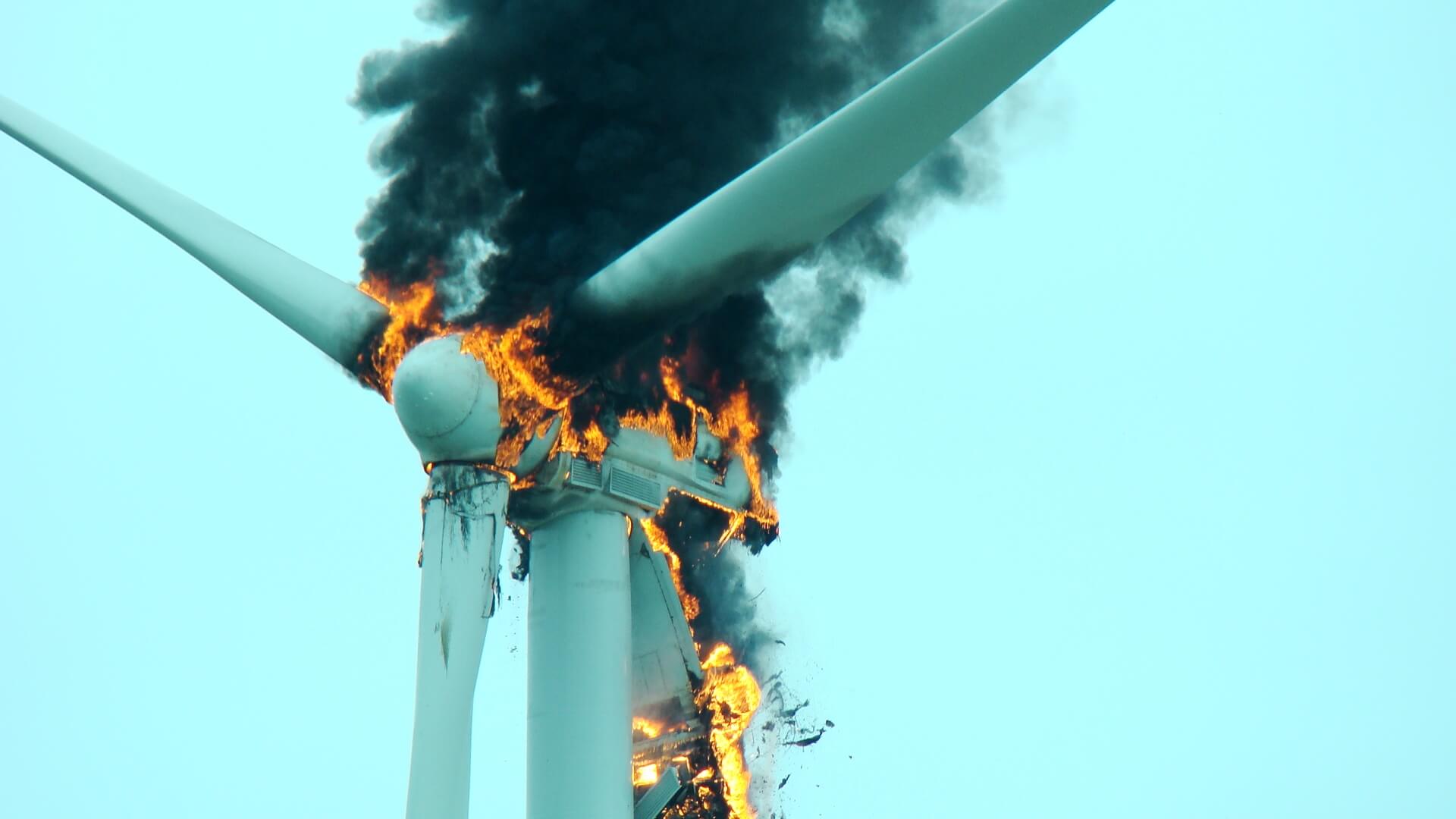
Intermittent wind and solar are guarantee of rocketing power prices and rocketing power prices are a guarantee of economic destruction.
An energy-hungry world will never satisfy its needs by pinning consumers’ hopes on the weather. But that’s the model that our political betters have been pushing over the last 20 years.
How we landed in a situation where random power rationing and mass blackouts are treated as normal; how regular double-digit increases in power prices are to be expected, is all down to virtue signalling politics.
Our good friends, logic and reason were banished from the energy debate, long ago. Engineers don’t get a look in. Instead the field is now covered by the arts/law grads who became political staffers and then MPs, who apparently know everything there is to know about power generation. Just ask them.
But don’t expect a sensible answer, anytime soon.
Alan Moran provides a timely…
View original post 889 more words
The Origin of Black American Culture and Ebonics | Thomas Sowell
22 Jun 2022 Leave a comment
in discrimination, economic history, economics of crime, health and safety, human capital, labour economics, labour supply, law and economics, occupational choice, poverty and inequality, property rights, Thomas Sowell, unemployment Tags: racial discrimination
Operation Barbarossa: Hitler’s failed invasion of Russia
22 Jun 2022 Leave a comment
in defence economics, war and peace Tags: World War II
June 21, 1377: Death of Edward III, King of England and Lord of Ireland
22 Jun 2022 Leave a comment

Edward III (November 13, 1312 – June 21, 1377) was King of England and Lord of Ireland from January 1327 until his death in 1377.
Edward was born at Windsor Castle on November 13, 1312, and was often called Edward of Windsor in his early years, before his accession.
Edward was the son of Edward II, King of England and Lord of Ireland and his wife Isabella of France (c. 1295 – August 22, 1358), sometimes described as the She-Wolf of France, was the youngest surviving child and only surviving daughter of King Philippe IV of France and Queen Joan I of Navarre.
The reign of his father, Edward II, was a particularly problematic period of English history. One source of contention was the king’s inactivity, and repeated failure, in the ongoing war with Scotland. Another controversial issue was the king’s exclusive patronage of a small group of royal favourites. The…
View original post 750 more words
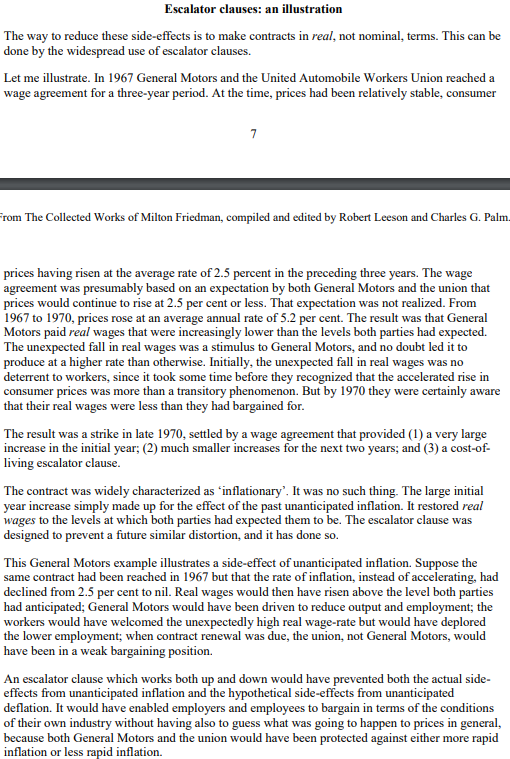
Milton Friedman supported 100% wage indexation
22 Jun 2022 Leave a comment
in business cycles, history of economic thought, labour economics, labour supply, macroeconomics, Milton Friedman, monetarism, monetary economics, unemployment, unions

Why Do People Hold STEREOTYPES? Thomas Sowell
22 Jun 2022 Leave a comment
in applied price theory, comparative institutional analysis, defence economics, discrimination, economic history, economics of crime, economics of education, economics of information, human capital, labour economics, labour supply, law and economics, Thomas Sowell Tags: racial discrimination, statistical discrimination


Recent Comments