Kate Andrews | Feminism CAN Be Capitalist (4/6) | Oxford Union
08 Jun 2022 Leave a comment
in applied price theory, discrimination, economic history, economics of education, gender, health and safety, human capital, labour economics, labour supply, occupational choice, poverty and inequality Tags: gender wage gap
Milton Friedman – Understanding Inflation
08 Jun 2022 Leave a comment
in economic history, financial economics, history of economic thought, macroeconomics, Milton Friedman, monetarism, monetary economics Tags: monetary policy
Economic Underpinnings of the Renaissance in Northern Italy
07 Jun 2022 Leave a comment

The Renaissance in northern Italy was a period between roughly 1350 and 1550 (definitions vary) when a proto-modern outlook and culture and economy replaced feudal medieval society. We all know about the great artistic and literary and scientific advances made at this time and place. I got curious about the economics behind all this. It is clear that the cities of northern Italy, such as Florence, were extremely prosperous, otherwise they could not have funded all these artists and architects.
It has jokingly been said, “Ah, I don’t see what is so great about Shakespeare – – all he did was string together a bunch of famous quotes.” Well, since I know little about all this, what I will do here is mainly string together a bunch of relevant quotes. Let the citations begin….
This blurb from “helenlo-weebly” (?) gives a good overview, noting the importance of trade and the…
View original post 671 more words
Impossible Dream: Wind Power Does Nothing To Meet Net-Zero CO2 Emissions Targets
07 Jun 2022 Leave a comment

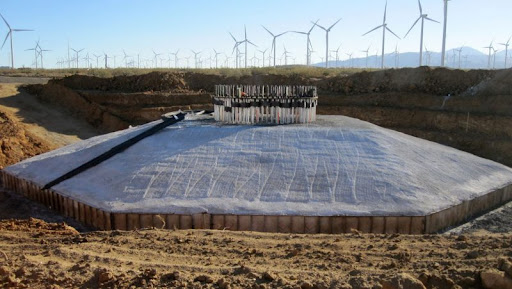
An obsession with carbon dioxide gas is responsible for an obsession with costly and unreliable wind and solar.
There is no hope of shaking the former among politicos and the MSM – that carbon dioxide gas is ‘pollution’ and the cause of all ills is mantra #1 of the climate cult’s catechism.
The latter, however, is up for debate.
The renewable energy calamity playing out in Europe has given rise to a new found appreciation for generation systems that can deliver power as and when we need it.
The Germans have backflipped on their plans to kill off their nuclear and coal-fired plants; the French are determined to maintain all 56 of their nuclear plants and build 14 more, besides.
In any country crazy enough to sign up to a net-zero carbon oxide gas emissions target, the only answer is the wholesale embrace of nuclear power to meet it.
Call…
View original post 1,042 more words
190th Anniversary of the 1832 Reform Act
07 Jun 2022 Leave a comment

This month marks the 190th anniversary of the passing of the 1832 Reform Act, one of the iconic milestones in modern British political history. ‘Was the 1832 Reform Act “Great”?’ may not be the standard exam question it once was, but ongoing research about the Act’s broader legacy and impact on political culture, based on new resources and analytical techniques, continues to reshape our understanding of its place in modern British political development.
Much attention used to be focussed on the number of voters enfranchised by the Act. The extent to which the overall increase of around 314,000 electors in the UK (from around 11 to 18% of adult males) amounted to some form of democratic advance, however, has always been complicated by the Act’s limitations as an enfranchising measure, especially given the huge expectations aroused by the popular outdoors campaign in its support. Not only were most working class…
View original post 958 more words
D-Day-The beginning of the end.
07 Jun 2022 Leave a comment

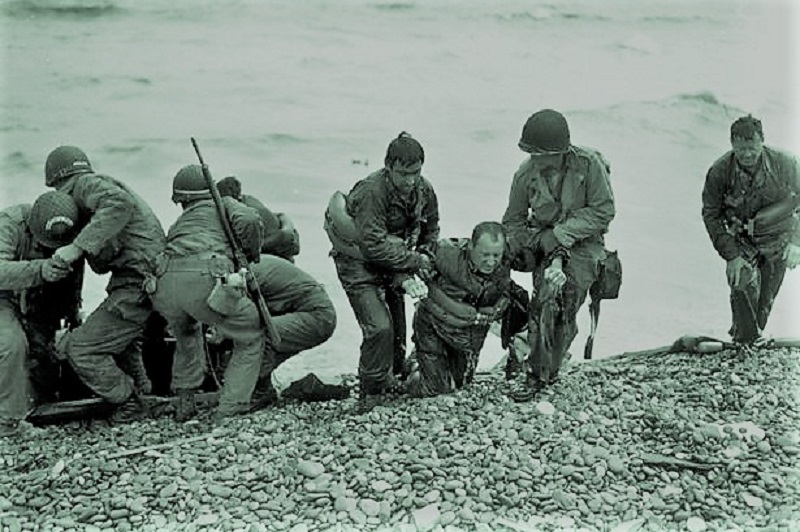
Although the tide had already turned for the Nazis , June 6-1944 was to become the final push for the allied troops to free Europe from the Nazi regime.
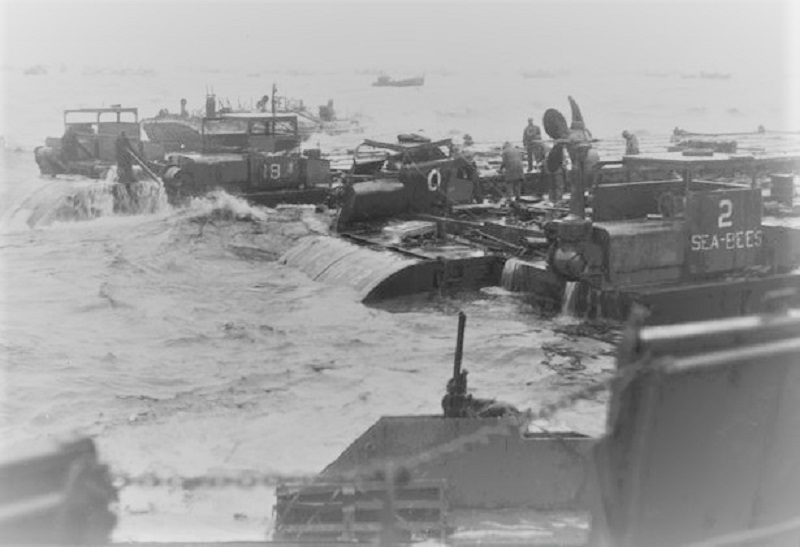
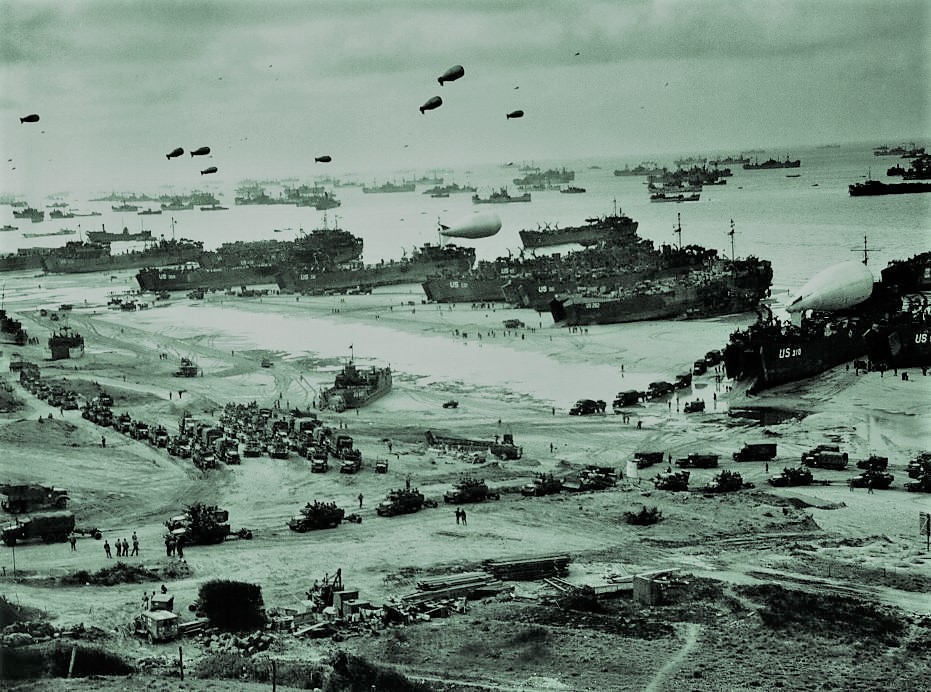
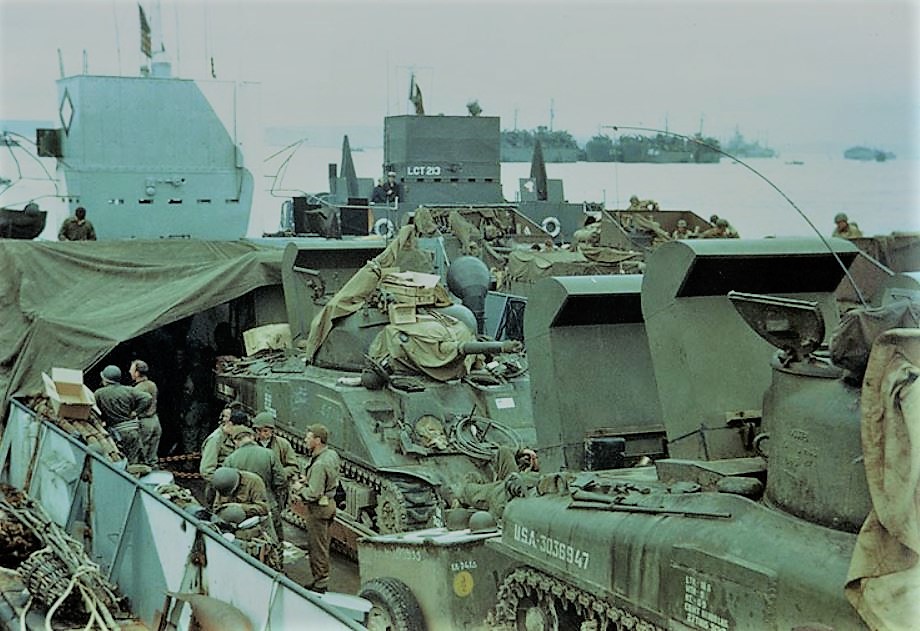
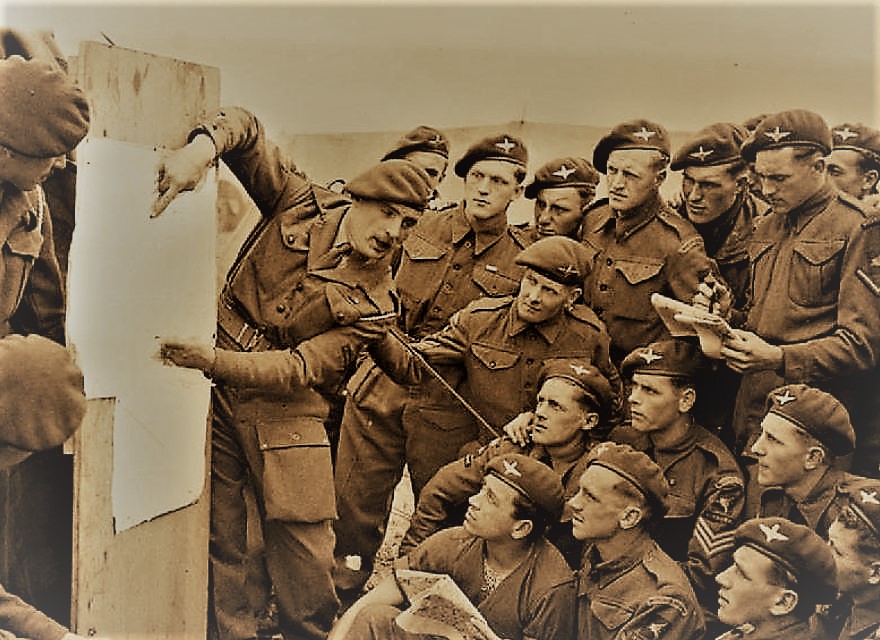
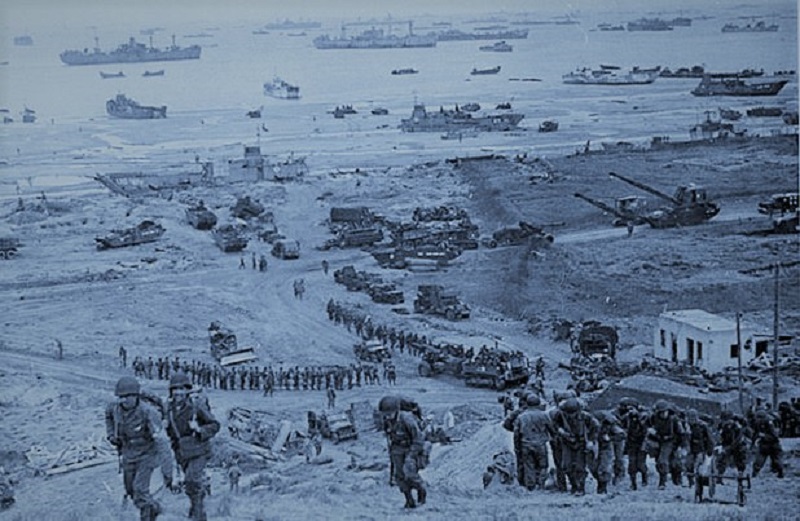
Theodore Roosevelt Jr., son of former US President Theodore Roosevelt,was the only general on D-Day to land by sea with the first wave of troops. At 56, he was the oldest man in the invasion,[29] and the only one whose son also landed that day; Captain Quentin Roosevelt II was among the first wave of soldiers at Omaha Beach.
At the time of the D-Day landings on June 6th 1944, Roosevelt was a frail man, not in the best of health; needing the aid of a walking stick. His health had suffered as a result of the first World War, he had arthritis …
View original post 497 more words
What Actually Happened to the Concorde
07 Jun 2022 Leave a comment
in economic history, transport economics
Here’s the challenge – branding the RBNZ a success when inflation has raced far beyond the 2-3 per cent target zone
06 Jun 2022 Leave a comment

David Farrar has drawn our attention to a splendid job opportunity at the Reserve Bank.
No, not to pitch in to meet the challenge set by The Governor and the Treasurer’s agreement that the appropriate target for monetary policy is to achieve an inflation rate of 2–3 per cent, on average, over time.
Rather, the RBNZ intends to appoint a Team Lead Brand and Design, to lead
“… a small but busy team of design specialists to work actively and collaboratively across the organisation to produce engaging brand and related content.”
Alongside this the appointee will:
- Develop and maintain the RBNZ’s brand and design strategy
- Work closely with others to plan and support the development of website content, social media content, initiatives and campaigns
- Ensure the design team has a clear programme of work and is efficiently managing daily production workflow
- Produce engaging collateral and digital content – this is…
View original post 480 more words
Wind Power Output Collapses Driving Wholesale Power Market Chaos
06 Jun 2022 Leave a comment
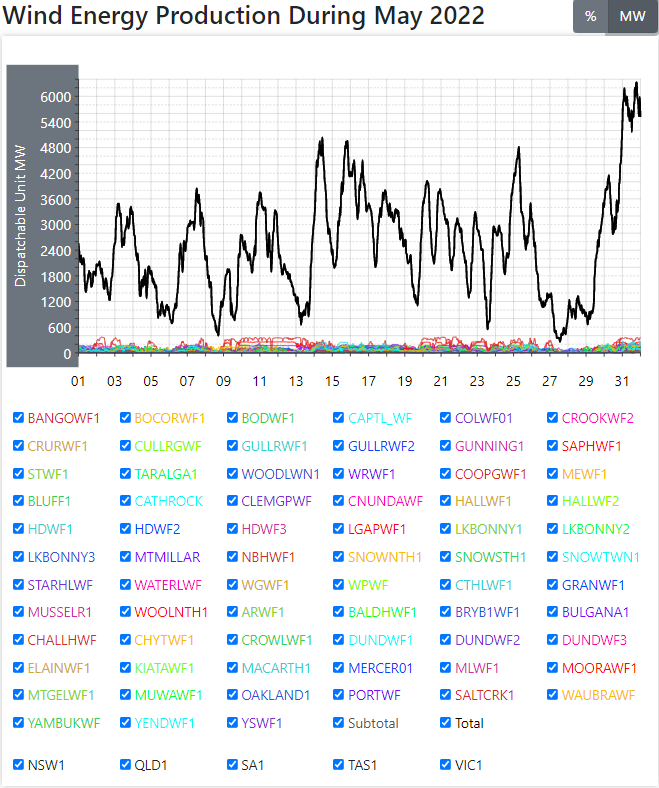
Random 3,000 to 4,000 MW wind power output collapses at the heart of Australia’s power pricing and supply calamity. In a, don’t say we told you so moment, Australia’s self-inflicted renewable energy chickens are coming home to roost.
Power rationing is now routine and power prices soaring out of control.
What’s depicted above – courtesy of Aneroid Energy – is the output delivered by Australian wind power outfits to the Eastern Grid last month.
Spread from Far North Queensland, across the ranges of NSW, all over Victoria, Northern Tasmania and across South Australia its entire capacity routinely delivers just a trickle of its combined notional capacity of 8,587 MW.
Rapid and unpredictable surges and collapses in wind power output (sunset does precisely the same job with solar power output, although somewhat more predictable) are causing total chaos in Australia’s wholesale power markets, as the team from Jo Nova outline below (we’ll return…
View original post 709 more words
Kristian Niemietz “The Economics of Political Correctness”
06 Jun 2022 Leave a comment
in liberalism, libertarianism, Marxist economics, politics - Australia, politics - New Zealand, politics - USA Tags: free speech, political correctness, regressive left


Recent Comments