The British Naval Blockade of Germany I THE GREAT WAR Special
27 May 2022 Leave a comment
in defence economics, laws of war, war and peace Tags: World War I
The evolution of MPs’ staffing arrangements: how did we get here?
26 May 2022 2 Comments
only since 1969 that MPs have had access to funds to employ staff and run an office


The current system of recruiting and employing MPs’ staff is not one you would design if you were starting from scratch, but before considering an overhaul, it is useful to ask how we got here. In this blogpost Rebecca McKee, who is currently running a project on MPs’ staff,examines the evolution of MPs’ staffing arrangements, providing some context to the current arrangements so we can understand how best to reform them.
Speaker Lindsay Hoyle has called for a Speaker’s Conference to consider a major overhaul of workplace practices in the House of Commons. Under our current system, it is MPs – not the Commons – who recruit and employ their staff, within a framework of regulations set out by the Independent Parliamentary Standards Authority (IPSA).While the devolved legislatures and many other countries have similar arrangements, New Zealand stands out as an example where MPs engage staff employed…
View original post 1,768 more words
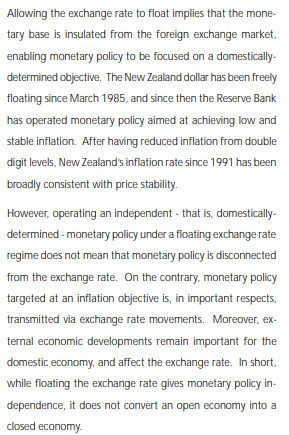
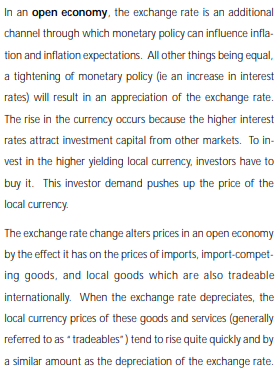
Adrian Orr on inflation drivers when the exchange rate is floating
26 May 2022 Leave a comment
in financial economics, inflation targeting, international economics, macroeconomics, monetary economics
Queen Victoria and parliamentary ceremony
26 May 2022 Leave a comment

During her record-breaking 70 years of service, Queen Elizabeth II has become no stranger to parliamentary traditions like the State Opening of Parliament, and next weekend her milestone as the first British Monarch to celebrate a Platinum Jubilee will be celebrated with four days of festivities. But Her Majesty the Queen’s predecessor as a female monarch, Queen Victoria, also witnessed many ceremonies during her own long reign.
Here Dr Kathryn Rix, Assistant Editor of our Commons 1832-1868 project and voice behind the VictCommons twitter page, explores Queen Victoria’s approach to parliamentary ceremony…
On 17 July 1837, less than a month after becoming Britain’s first reigning queen in over a century, Queen Victoria visited Westminster to prorogue Parliament. She had been persuaded by the Whig ministry to perform this duty in person, rather than delegating it to commissioners. The presence of the youthful new monarch generated widespread…
View original post 1,502 more words
Reading the MPS
26 May 2022 Leave a comment

Read the first page of the Reserve Bank’s Monetary Policy Statement yesterday (the press release) and it is hard to find anything to quibble with. It was a strong statement, backing up another large OCR increase, and referencing a further increase in inflation pressures (and thus a revision up in the forecast track). One might wish they had gotten this serious back in November/December when the issues were already becoming stark and the upside risks high, instead of doing one 25 point increase in November and then heading off for a very long summer recess. But if they have got serious, and a bit worried, now, then better late than never.
And given where we are now – which is not a good place – if they manage to deliver core inflation next year at 2.6 per cent (as in the projections) I’d probably count that as quite a reasonable…
View original post 1,715 more words
Rationing In Britain
26 May 2022 Leave a comment
in defence economics, war and peace Tags: World War II
The British Uniforms of World War 1 I THE GREAT WAR Special
26 May 2022 Leave a comment
in defence economics, war and peace Tags: World War I
Solar Showdown: Indian Villagers Reject Greenpeace’s Useless Fake Electricity
25 May 2022 Leave a comment

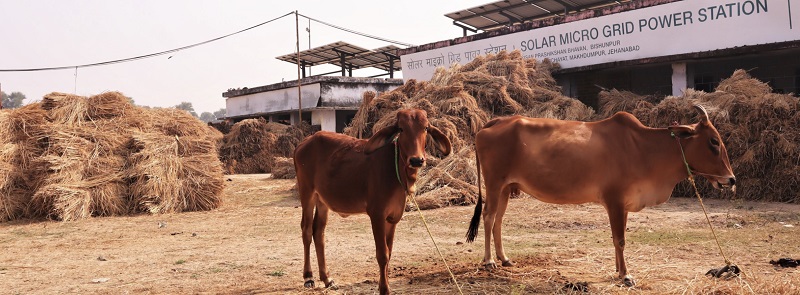
The wind and solar obsessed in the first world are quite prepared to ensure the World’s poorest stay that way. With economic development agencies peddling ridiculously expensive solar panels – seen as ‘fake electricity’ by those lumbered with it – and forcing tinpot governments to sign up to costly and pointless wind and/or solar power schemes, the ratio of haves to have-nots is likely to stay that way for the foreseeable future.
Eco-zealots have attempted to ram wind and solar power down the throats of Third World governments under the auspices of saving the planet and purportedly with the purpose of dragging millions out of poverty. But it never takes their targets long to work out that wind and solar power are both insanely expensive and hopelessly unreliable; sitting in the dark, night after night, generally does the trick.
Thomas Catenacci reports on another case where first-world virtue signallers found…
View original post 847 more words
The European Central Bank: Subsidizing Profligacy, Creating Bubbles
25 May 2022 Leave a comment

Earlier this year, I pointed out that President Biden should not be blamed for rising prices.
There has been inflation, of course, but the Federal Reserve deserves the blame. More specifically, America’s central bank responded to the coronavirus pandemic by dumping a lot of money into the economy beginning in early 2020.
Nearly a year before Biden took office.
The Federal Reserve is not the only central bank to make this mistake.
Here’s the balance sheet for the Eurosystem (the European Central Bank and the various national central banks that are in charge of the euro currency). As you can see, there’s also been a dramatic increase in liquidity on the other side of the Atlantic Ocean.
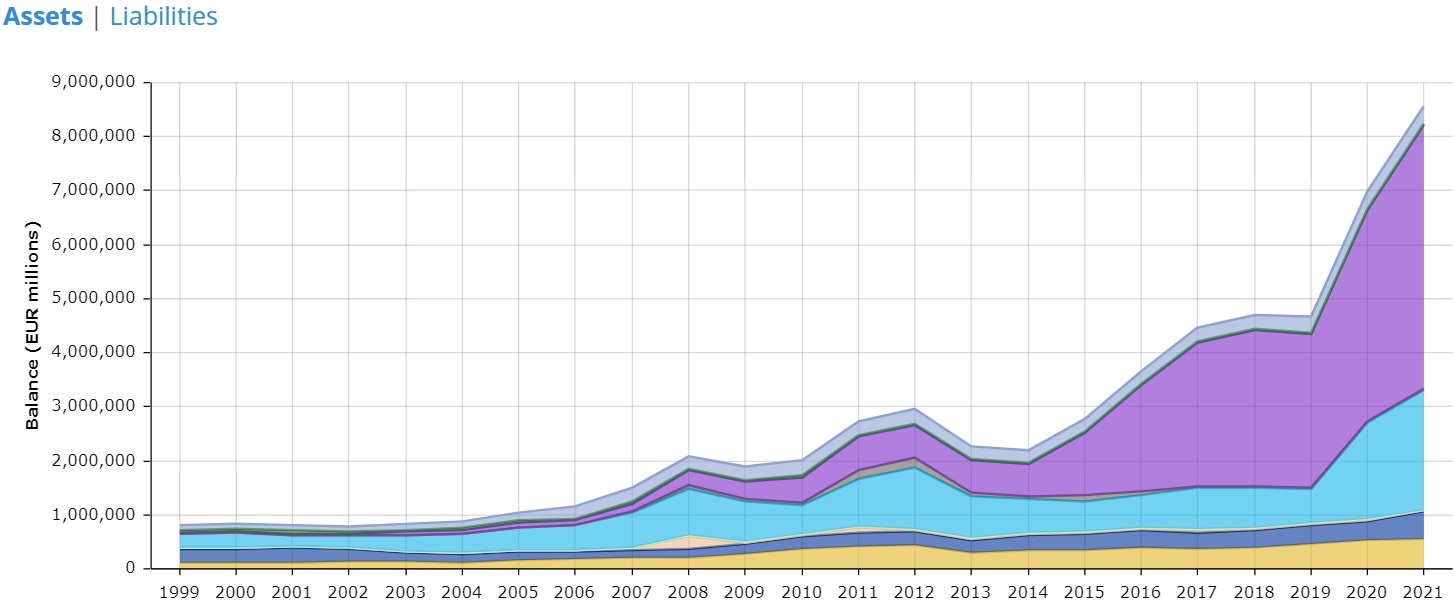
Why should American readers care about what’s happening with the euro?
In part, this is simply a lesson about the downsides of bad monetary policy. For years, I’ve been explaining that…
View original post 901 more words


Recent Comments