Ol’ 55 – Looking For An Echo (Countdown 1976)
26 Jan 2022 Leave a comment
in Music, television, TV shows
Pessimism bias
26 Jan 2022 Leave a comment
in health economics Tags: economics of pandemics, pessimism bias

Luther Vandross & Janet Jackson – The Best Things In Life Are Free.
26 Jan 2022 Leave a comment
in Music
North Korea’s Counterfeiting Operation Funded Its Nuclear Program
26 Jan 2022 Leave a comment
in defence economics, economics of crime, law and economics, monetary economics, war and peace Tags: North Korea
Why Berlin’s 15 Year-Old Airport has Never Had a Flight
26 Jan 2022 Leave a comment
in transport economics Tags: Berlin
Subsidised Suicide: 2021 Revealed Wind & Solar To Be Unreliable & Utterly Useless
25 Jan 2022 Leave a comment

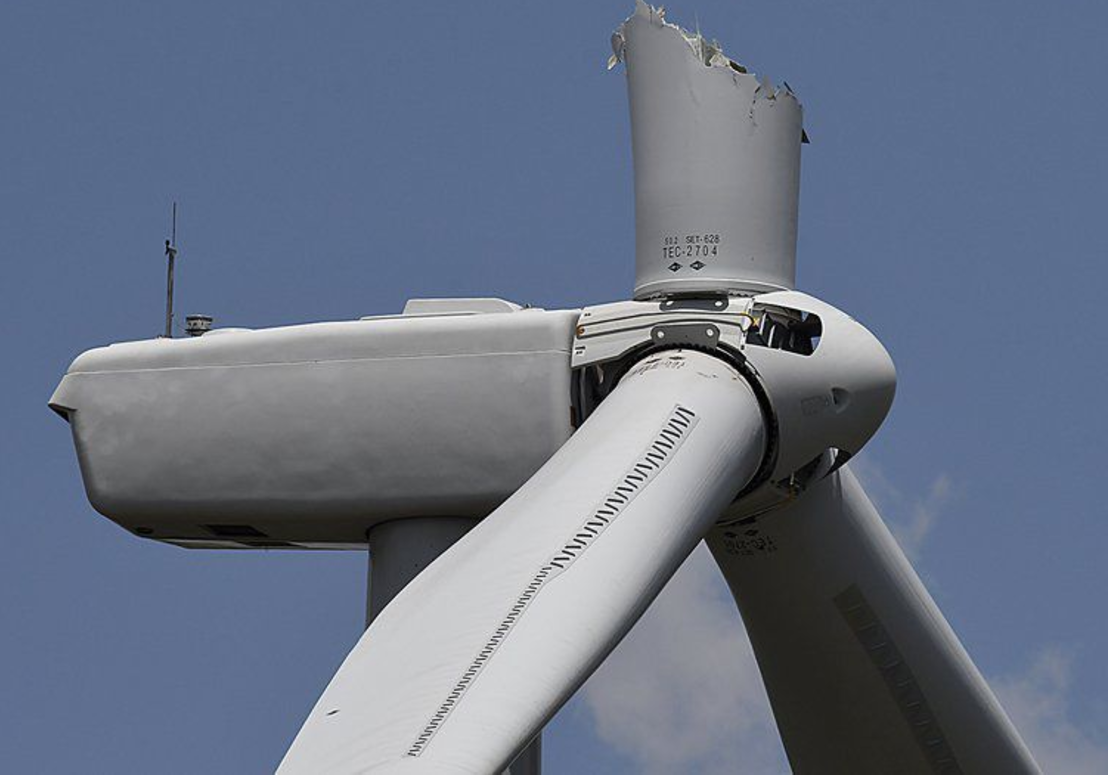
Wind and solar are said to be ‘cheap’, but then so’s talk. 2021 was the year when wind and solar were revealed to be thoroughly useless, thanks to their inherent intermittency and general lack of reliability.
Starting in September last year, for months on end, Europe’s wind power fleet struggle to produce any consistent power of any value, at all. Week after week, wind power output barely registered in Germany and the UK.
Unable to deliver even occasional bursts of power, Europe’s wind industry was relegated to the status of a laughingstock, while Germans and British fired up their old coal-fired power plants, the only thing preventing a wholesale grid collapse.
The renewable energy debacle wasn’t confined to Europe, as Robert Bryce details below.
Seven Top Energy Stories of 2021
Forbes
Robert Bryce
31 December 2021
It has been a chaotic year in the energy sector. And with just a…
View original post 2,146 more words
IMF Bailouts and Moral Hazard
25 Jan 2022 Leave a comment

One of the (many) unfortunate tendencies of politicians is that they focus on the short run (i.e., their upcoming reelection battles).
Why is this unfortunate? Because there are some policy changes that may be costly in the short run, but they are nonetheless very worthwhile because they generate big long-run benefits.
- Shifting to a system of personal retirement accounts means trillions of dollars of near-term “transition costs” in order to protect current retirees and older workers, but reform will solve the program’s long-term $40 trillion-plus unfunded liability.
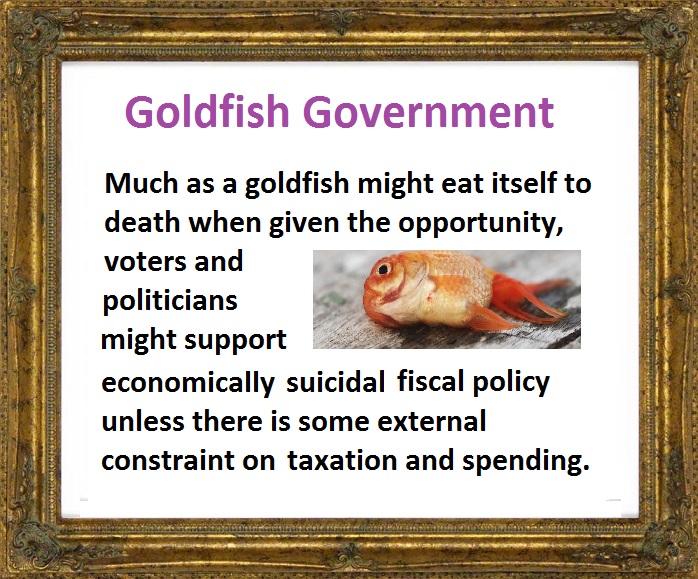
- Messy fights over the debt limit create (almost certainly exaggerated) concerns about potential default, but that potential cost would be trivial compared to the long-run benefits of figuring out how to limit the growing burden of federal spending.
- When bad monetary policy causes a financial bubble or housing bubble, shifting to good monetary policy presumably will…
View original post 637 more words


Recent Comments