How Does The Vatican Work? (History of the Papal States)
25 Dec 2021 Leave a comment
in defence economics, economic history, economics of religion, International law Tags: maps
25 Dec 2021 Leave a comment
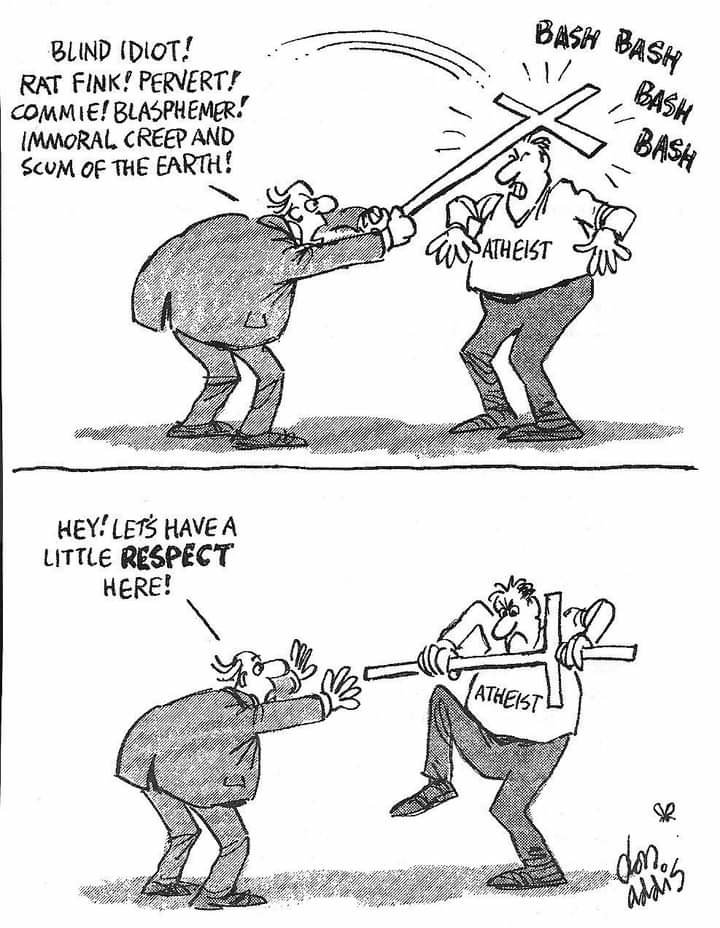
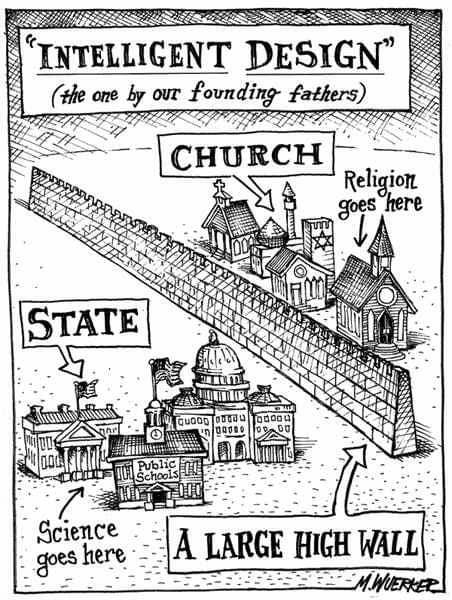
in economics of religion Tags: Blasphemy, free speech, Freedom of religion
A Sign Of Friendship In The Midst Of War I THE CHRISTMAS TRUCE 1914
25 Dec 2021 Leave a comment
in defence economics, laws of war, war and peace Tags: World War I
Jim’s Address to the Nation | Yes, Prime Minister | Comedy Greats
25 Dec 2021 Leave a comment
in television
#globalwarming #climateemergency
25 Dec 2021 Leave a comment
in economics of natural disasters, energy economics, environmental economics, global warming Tags: climate alarmists

Santa is Captured by the Russians
24 Dec 2021 Leave a comment
in defence economics, economics of media and culture
Jordan Peterson interview in Sweden
24 Dec 2021 Leave a comment
in discrimination, economic history, economics of education, gender, health and safety, human capital, labour economics, labour supply, occupational choice, poverty and inequality Tags: gender wage gap
The Factual Basis of Political Opinions
24 Dec 2021 Leave a comment

“Ideology is a menace” Paul Collier says in his forthcoming book The Future of Capitalism and I couldn’t agree more: ideology (and by extension morality) “binds and blinds”, as psychology professor Jonathan Haidt describes i. And ideology, especially utopian dreams by dedicated rulers, is what allows – indeed accounts for – the darkest episodes of humanity. There is a strange dissonance among people for whom political positions, ideology and politics are supremely important:
- They portray their position as if supported by facts and empirical claims about the world (or at least spit out such claims as if they did believe that)
- At the same time, believing that their “core values” and “ideological convictions” are immune to factual objections (“these are my values; this is my opinion”)
My purpose here is to illustrate that all political positions, at least in part, have their basis in empirically verifiable claims about the…
View original post 1,082 more words
The Misdiagnosis That Continues To Save Lives: Origin Story Of The War On Cancer
24 Dec 2021 Leave a comment

In 1969, Colonel Luke Quinn, a U.S. Army Air Force officer in World War II, was diagnosed with inoperable gallbladder cancer. Surprisingly, he was referred to Dr. DeVita, the lymphoma specialist at National Cancer Institute, by the great Harvard pathologist Sidney Farber — famous for developing one of the most successful chemotherapies ever discovered. Nobody imagined back then that Colonel Luke Quinn, a wiry man with grey hair and a fierce frown with his unusual and likely incurable cancer, would significantly impact how we look at cancer as a disease.

Having been coerced to take up the case of Colonel Luke Quinn, despite gallbladder cancers not being his specialty, Dr.DeVita began to take a routine history, much to the annoyance of Luke Quinn who was used to being in command. Though Quinn glared at Dr.DeVita for reinitiating another agonizing round of…
View original post 1,545 more words
Who Is Jonathan Swift?
24 Dec 2021 Leave a comment

Jonathan Swift was born in Dublin on November 30, 1667 –only a handful of years after the end of Puritanical rule in England– to an English mother and an English father, who died of syphilis just before Jonathan was born, supposedly the disease was contracted while he was away from home sleeping in a pair of “dirty sheets.” Jonathan was an only child, raised by various friends and family members. His English lineage as well as Irish ethnicity together affected his sense of civic duty as he maintained a lifelong sympathy for the Irish struggle. His upbringing was of an upper-crust variety among Anglo-Irish ruling class. He attended Kilkenny School from 1674-1682 and then Trinity College in Dublin from 1682-1686.
In 1689, Swift moved to England to reside at Moor Park in Surrey where he served as secretary to its owner, Sir William Temple, a retired diplomat who had pretensions…
View original post 761 more words
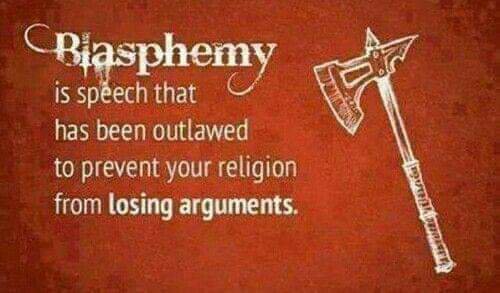
Blasphemy
24 Dec 2021 Leave a comment
in economics of religion, liberalism, libertarianism Tags: Blasphemy, free speech



Recent Comments