Stringer Bell and Prop Joe scene – The Wire 3×03 Dead Soldiers
17 Sep 2021 Leave a comment
in television
The Supply Chain Management Principles during Market Garden
16 Sep 2021 Leave a comment

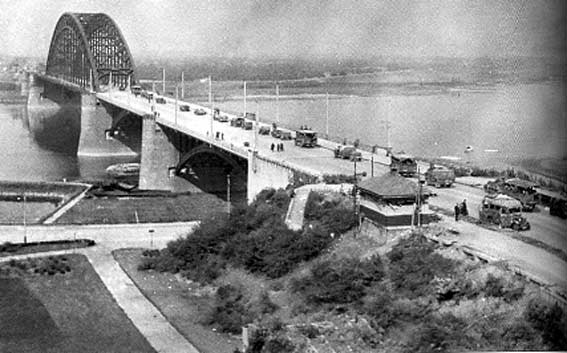
This may seem a strange title for a WWII related subject but in fact it is probably more appropriate then you’d expect.
One of the definitions of Supply Chain Management is “the management of the flow of goods and services,involves the movement and storage of raw materials, of work-in-process inventory, and of finished goods from point of origin to point of consumption”
Replace the word “consumption” with “action” or “combat” and you can apply the principle of Supply Chain management to Operation Market Garden or a great number of other operations during WWII.

The reason why I chose Market Garden is twofold. Firstly because it had a great effect on the country I was born in.Secondly It was the largest airborne operation up to that point and is one of the best recorded mistakes by the allied forces.
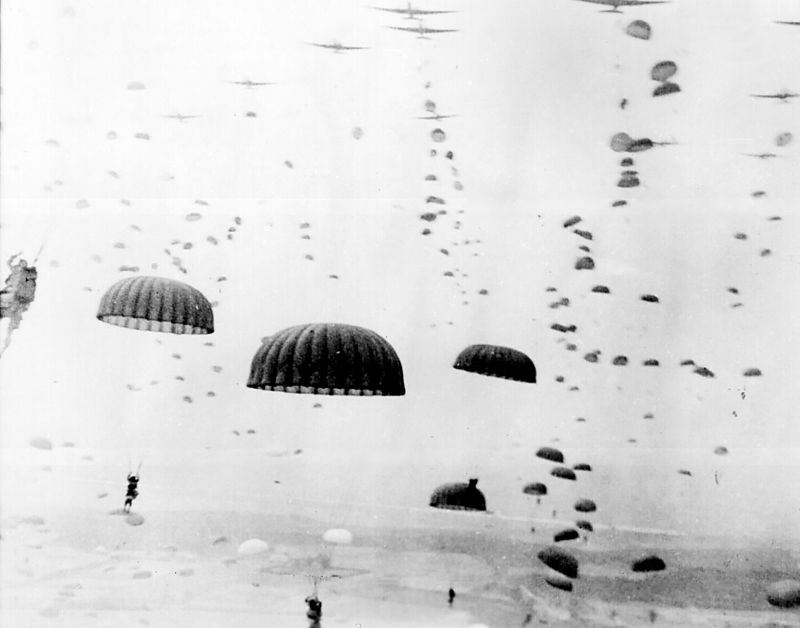
Planning is key to successful supply chain demand and the forecast…
View original post 561 more words
Operation Market Garden
16 Sep 2021 Leave a comment
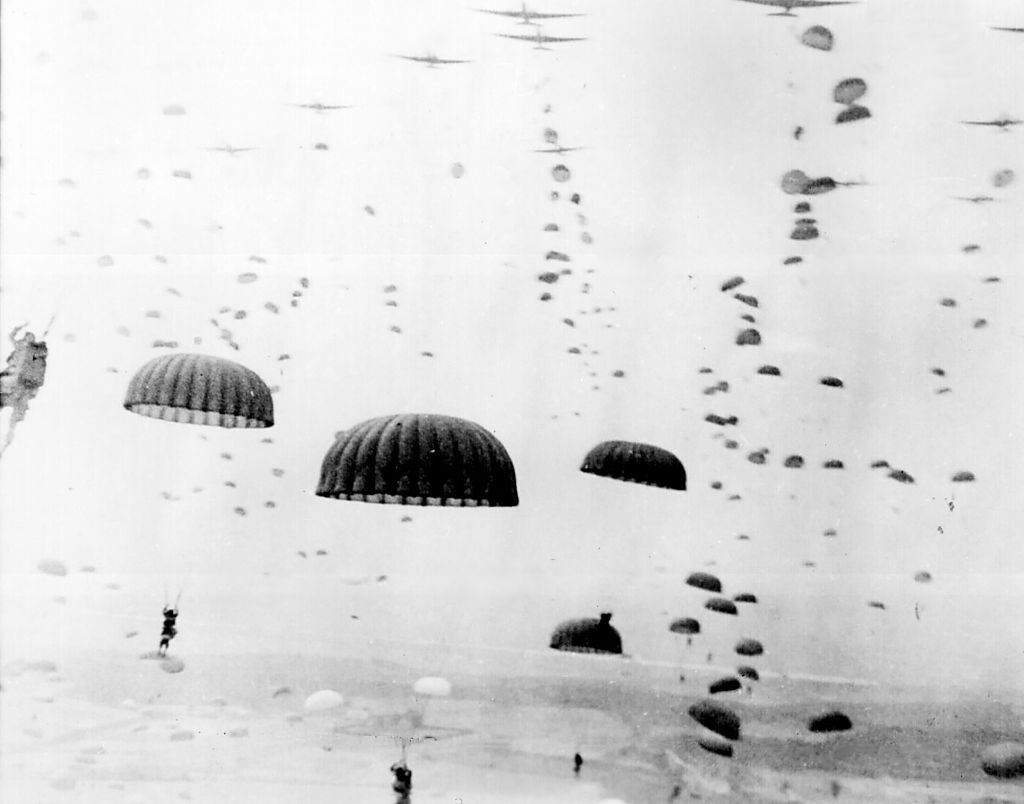
Today marks the 74th Anniversary of Operation Market Garden,mostly associated with the book of Cornelius Ryan’A Bridge too Far’ which was made into a star studded block buster movie in 1977 with the same title.It is a lengthy blog but it is an important story to be re-told because the effects of this operation were felt long after the war.
Operation Market Garden was in fact two combined operations.
- Market – the airborne forces, the First Allied Airborne Army, who would seize bridges
- Garden – the ground forces, consisting of the British XXX Corps.
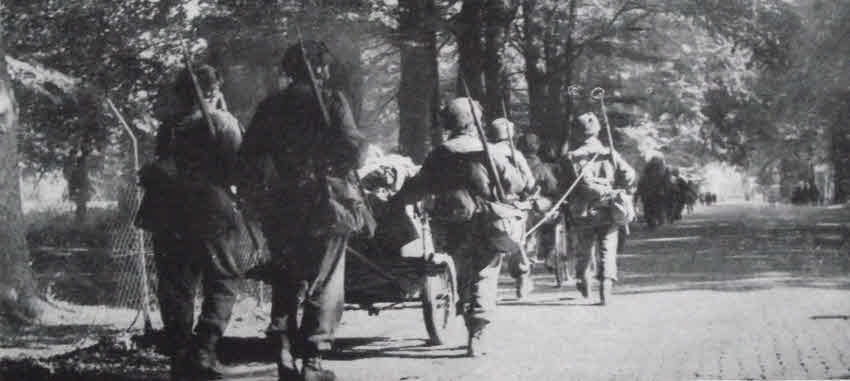
On 17 September 1944 thousands of paratroopers descended from the sky by parachute or glider up to 150 km behind enemy lines. Their goal: to secure the bridges across the rivers in Holland so that the Allied army could advance rapidly northwards and turn right into the lowlands of Germany, hereby skirting around the Siegfried line…
View original post 4,042 more words
Ardern govt surprised by news of Aussie decision to buy nuclear subs and form new security partnership
16 Sep 2021 Leave a comment

What do you do when your neighbour goes nuclear?
The Ardern government will be tackling that question after being taken aback by news the Australians are to buy US nuclear attack submarines and will form a new trilateral security partnership to be called AUKUS.
Our Beehive connections tell us PM Jacinda Ardern was briefed by Australian PM Scott Morrison last night.
We are tempted to say these developments confirm how far NZ has slipped off the map in terms of a regional defence power. Our contacts say the Beehive is still grappling with how come NZ wasn’t consulted about the new security partnership – or even invited.
Canberra will acquire several Virginia Class nuclear attack submarines. A $A90 billion plan to buy French nuclear submarines and convert them to diesel-electric power will be abandoned.
View original post 379 more words
The Real Motive for Class-Warfare Taxation
16 Sep 2021 Leave a comment

In addition to being a contest over expanding the burden of government spending, the Democratic primary also is a contest  to see who wants the biggest tax increases.
Bernie Sanders and Elizabeth Warren have made class-warfare taxation an integral part of their campaigns, but even some of the supposedly reasonable Democrats are pushing big increases in tax rates.
James Pethokoukis of the American Enterprise Institute opines about the anti-growth effect of these proposed tax hikes, particularly with regard to entrepreneurship and successful new firms.
The Democratic presidential candidates have plenty of ideas about taxes. Wealth taxes. Wall Street taxes. Inequality taxes. And probably more to come. So lots of creative thinking about wealth redistribution. Wealth creation? Not so much. …one way to look at boosting GDP growth
is thinking about specific policies to boost labor force and productivity growth. But there’s another way of approaching the issue: How many fast-growing growing new…
View original post 1,157 more words
Israel Kirzner’s Keynote Address on F. A. Hayek and the Nobel Prize
16 Sep 2021 Leave a comment
in applied price theory, applied welfare economics, Austrian economics, comparative institutional analysis, economics of information, entrepreneurship, F.A. Hayek, history of economic thought, industrial organisation, Israel Kirzner, survivor principle


Recent Comments