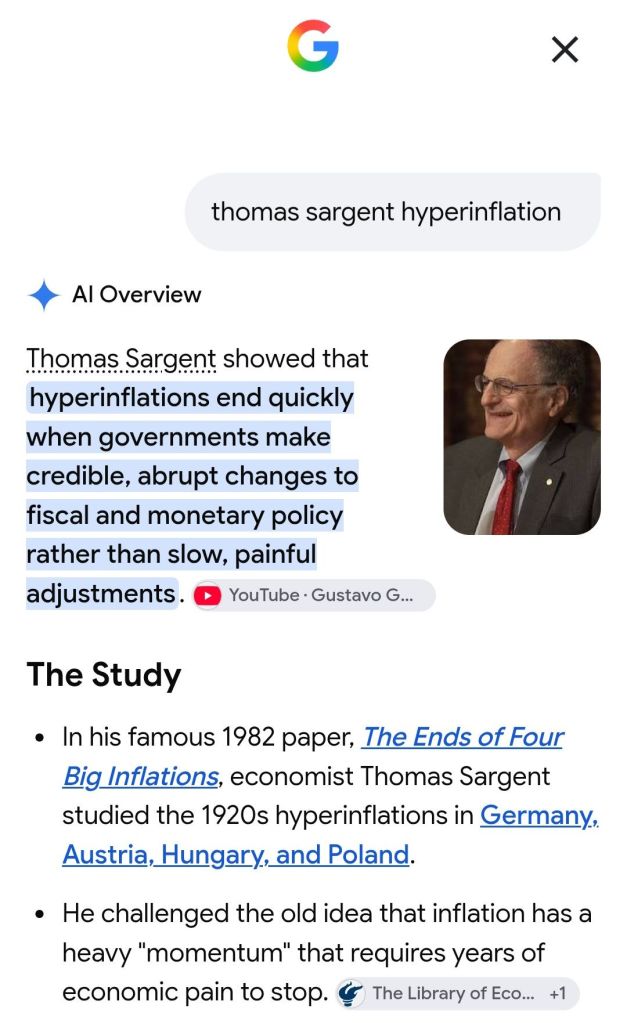
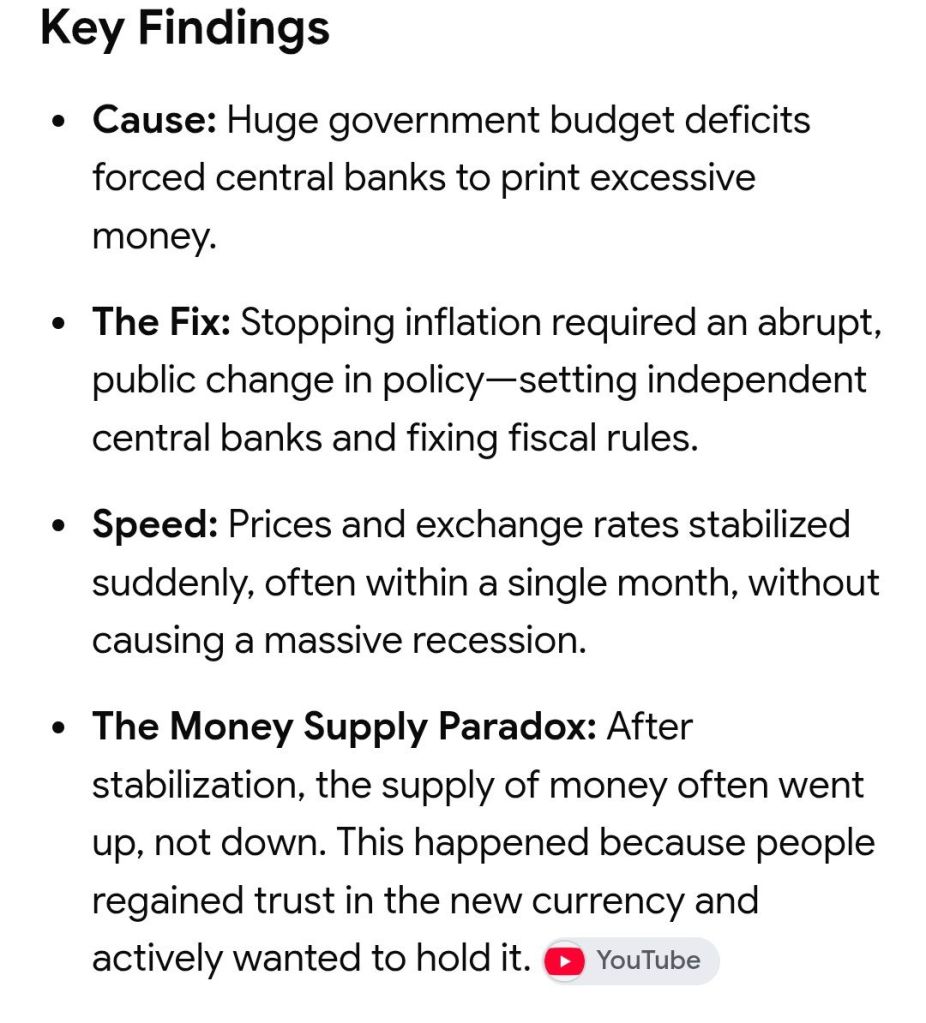
Sargent on hyperinflation
02 Oct 2026 Leave a comment
in budget deficits, business cycles, economic history, fiscal policy, history of economic thought, labour economics, labour supply, macroeconomics, monetarism, monetary economics, unemployment Tags: hyperinflation, monetary policy
Julio Alberto Barajas-Servin: When Electoral Lies Become Justiciable
02 Oct 2026 Leave a comment
in Public Choice Tags: British constitutional law, British politics, free speech

Wales has done something unusual – it has enacted a duty to prohibit electoral lies before deciding what the prohibition will look like. Since 27 June 2026, section 13 of the Government of Wales Act 2006 has required the Welsh Ministers to make provision against false or misleading statements of fact made to affect who […]
Julio Alberto Barajas-Servin: When Electoral Lies Become Justiciable
We stopped believing. The rulebook got religion
01 Oct 2026 Leave a comment
in economic history, economics of bureaucracy, economics of regulation, economics of religion, law and economics, politics - New Zealand, property rights, Public Choice Tags: constitutional law
Rodney Hide writes – New Zealand is no longer a religious country. That’s not my opinion. It’s the census. In 2023, for the first time since the question was asked, more than half of us, 51.6 per cent, said we had no religion. Christians fell to 32.3 per cent, down from 36.5 per cent five […]
We stopped believing. The rulebook got religion
Munich: The Agreement That Failed to Preserve Peace
01 Oct 2026 Leave a comment
in defence economics, economic history, International law, war and peace Tags: British politics, Nazi Germany, World War II

On 30 September 1938, the leaders of Great Britain, France, Italy and Nazi Germany signed the Munich Agreement, handing the Sudetenland—the predominantly German-speaking border regions of Czechoslovakia—to Adolf Hitler’s Germany. The Czechoslovaks themselves were not parties to the agreement. It was presented as a settlement intended to prevent another European war. British Prime Minister Neville […]
Munich: The Agreement That Failed to Preserve Peace
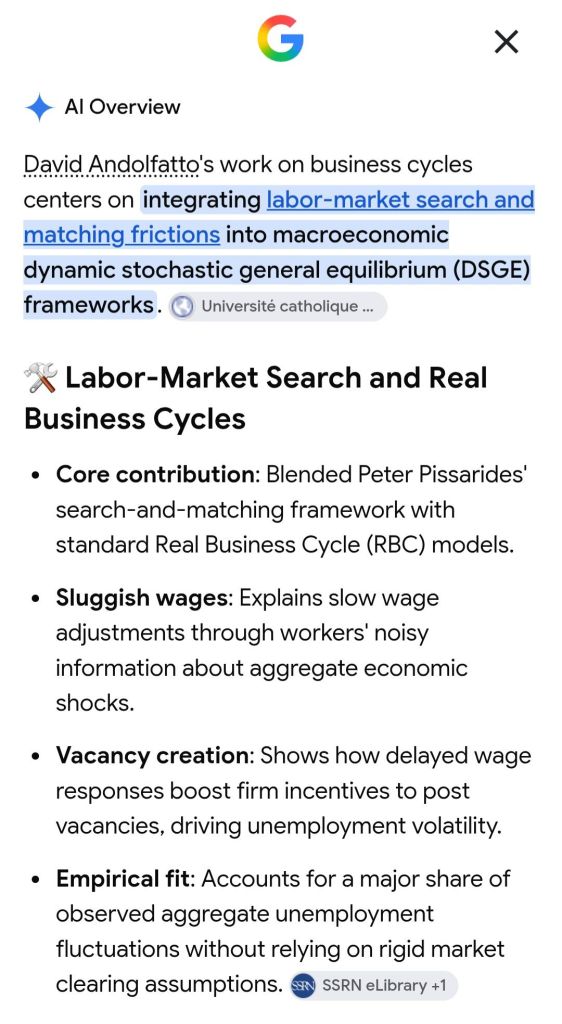
Andolfatto on business cycles
01 Oct 2026 Leave a comment
in business cycles, history of economic thought, job search and matching, labour economics, labour supply, macroeconomics, unemployment

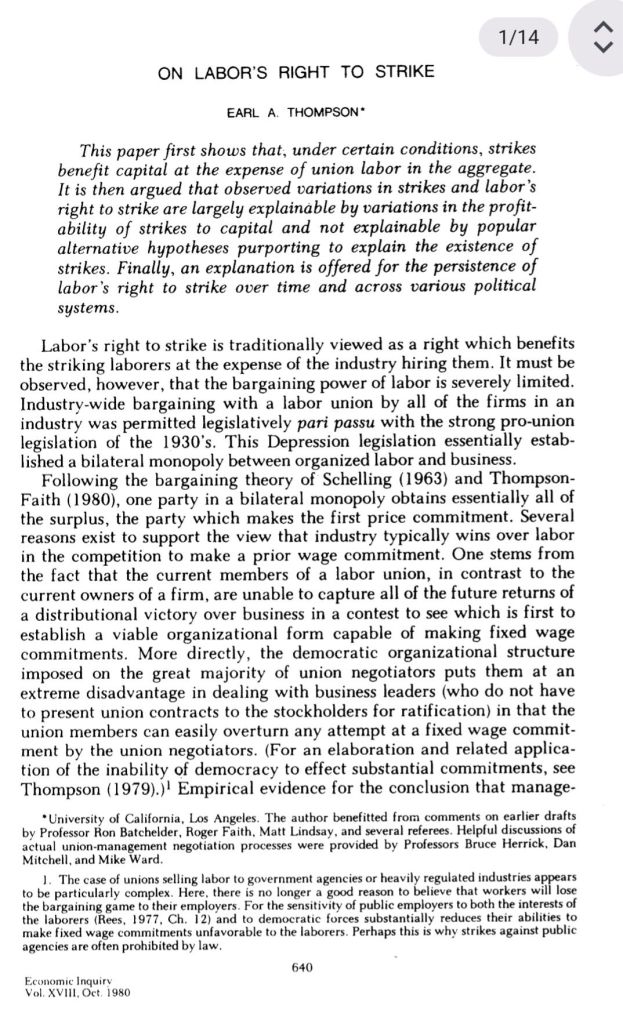
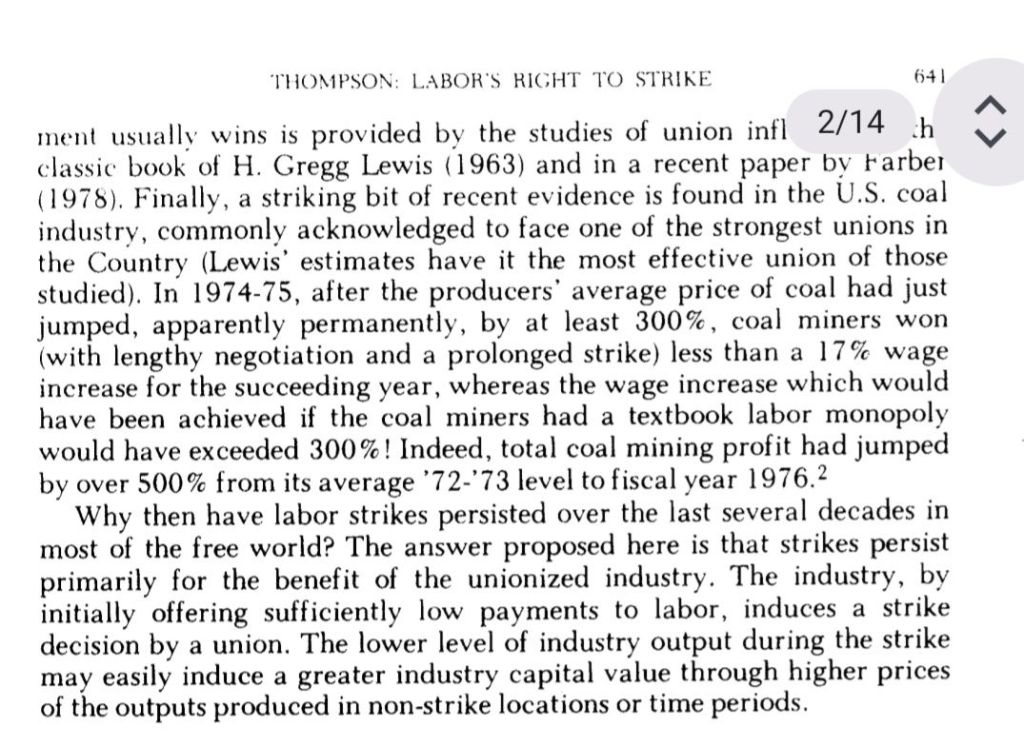
Earl Thompson very much doubts union power
30 Sep 2026 Leave a comment
in applied price theory, economic history, history of economic thought, labour economics, unions Tags: union power
Does Surgery Work?
30 Sep 2026 Leave a comment
The Economist: Many surgical interventions are little better than placebo The results are upending the field. Removing an inflamed appendix, an operation that around 5-10% of people have had at some point in their life, has turned out to be no better for most patients than a course of antibiotics. Trials comparing different surgical techniques…
Does Surgery Work?
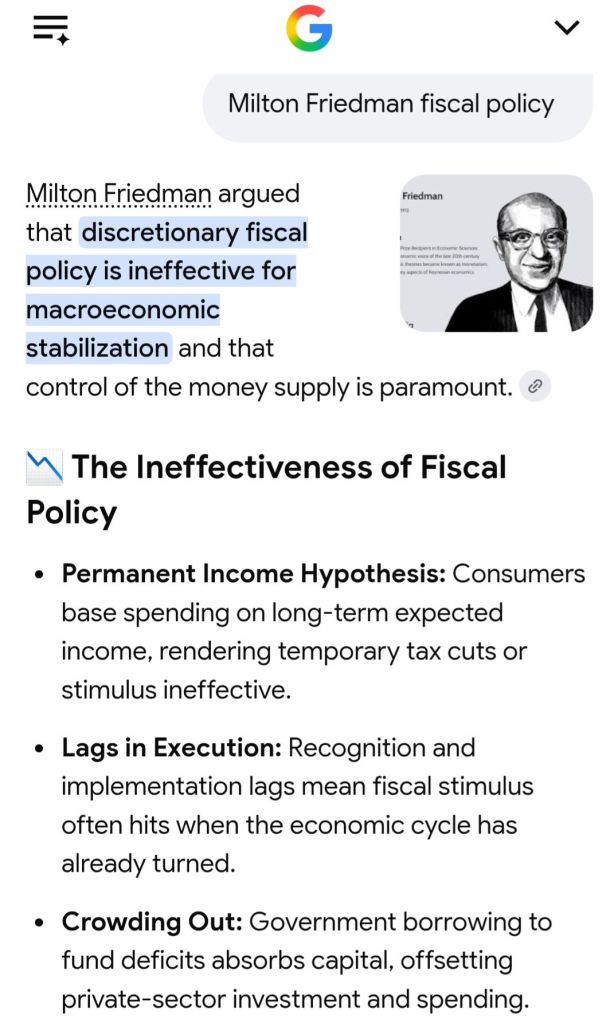
Friedman on fiscal policy
30 Sep 2026 Leave a comment
in budget deficits, business cycles, economic growth, fiscal policy, history of economic thought, macroeconomics, Milton Friedman, monetarism, monetary economics
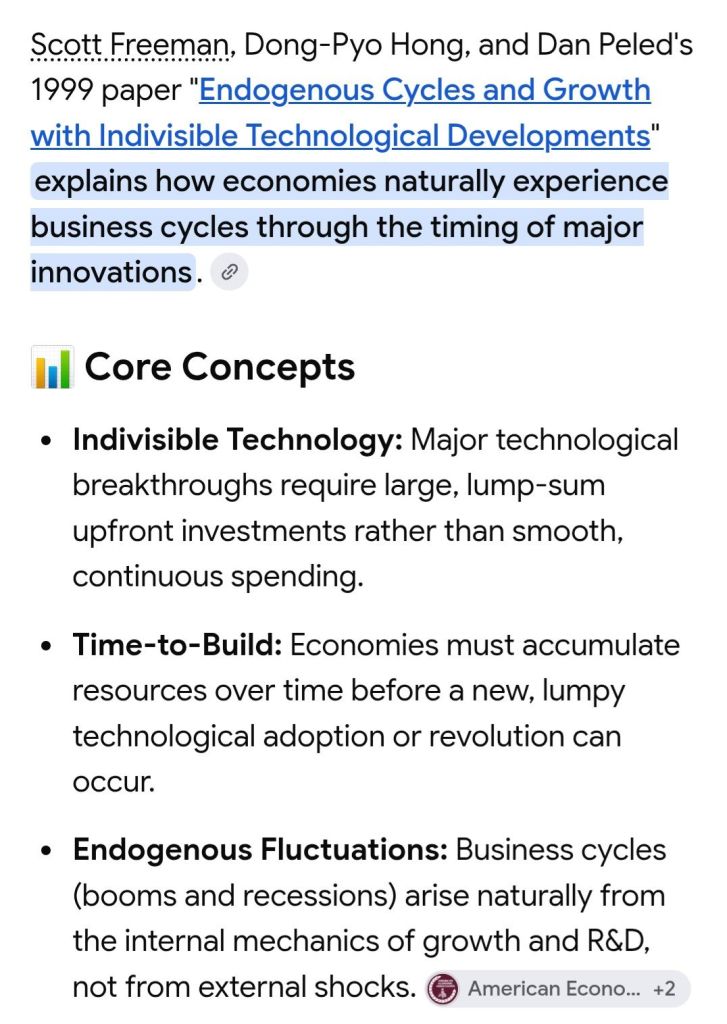
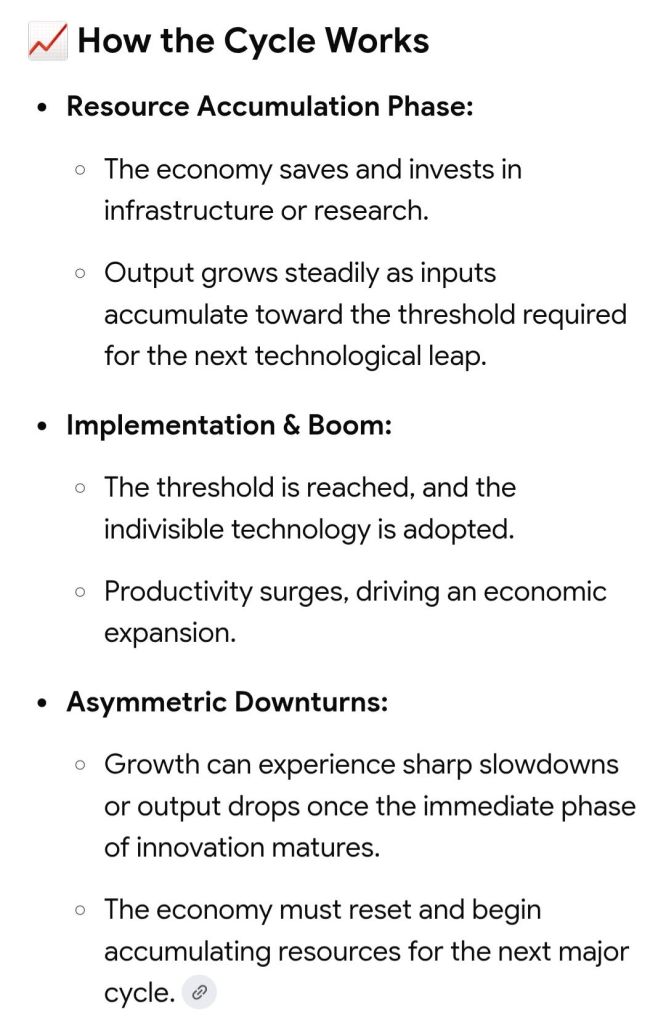
Scott Freeman and the AI boom and possible initial slowdown
30 Sep 2026 Leave a comment
in applied price theory, business cycles, economic growth, economic history, entrepreneurship, history of economic thought, labour economics, labour supply, macroeconomics, monetary economics, unemployment Tags: real business cycle theory
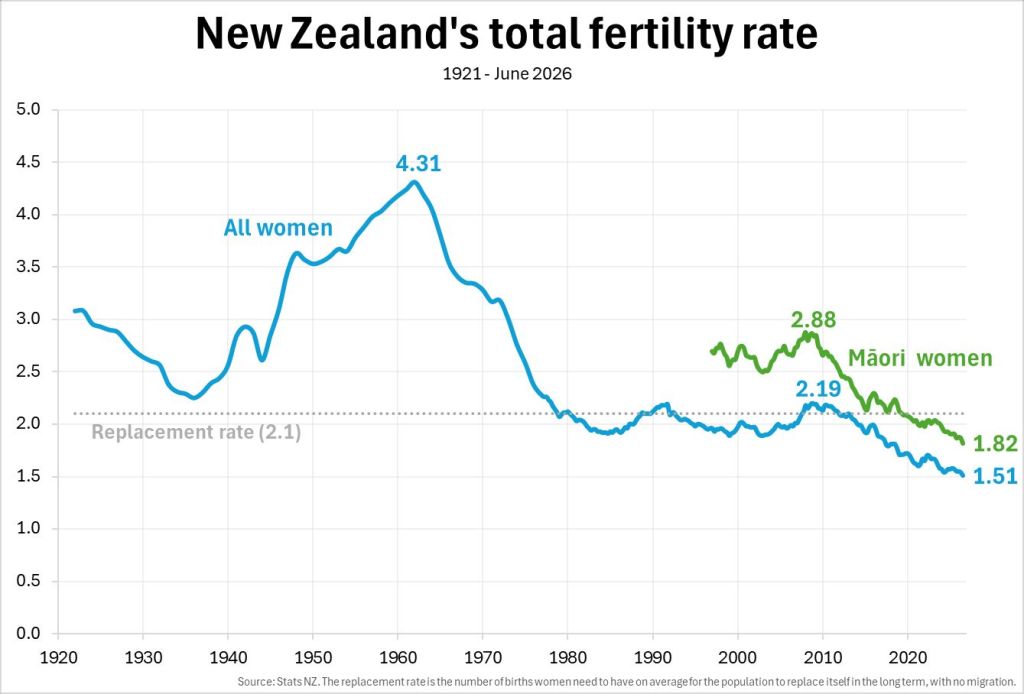
The baby bust
30 Sep 2026 Leave a comment
in economics of love and marriage, labour economics, labour supply, politics - New Zealand, population economics Tags: baby bust, economics of fertility
Slice: Keith Floyd cooks whale meat in Greenland
29 Sep 2026 Leave a comment
in television, TV shows
The U.K. Version of the Laffer Curve Strikes Again
29 Sep 2026 Leave a comment
in applied price theory, economic growth, economic history, entrepreneurship, financial economics, fiscal policy, history of economic thought, labour economics, labour supply, macroeconomics Tags: British politics, taxation and investment, taxation and labour supply

There are two reasons why I periodically write about the Laffer Curve. I want my left-leaning friends to understand to understand that higher tax rates on productive behavior will lead to less taxable income and some foregone tax revenue. I want my right-leaning friends to understand that tax cuts are only self-financing in rare cases […]
The U.K. Version of the Laffer Curve Strikes Again


Recent Comments