How a Mapmaker Stopped an Epidemic and Saved Millions of Lives
28 Jun 2021 Leave a comment
in economic history, health economics
Public opinion on Covid policy
28 Jun 2021 Leave a comment

I noticed over the weekend that the highly-regarded Pew Research Center had released the results of public opinion surveys undertaken in a range of advanced countries on various questions around Covid and Covid policy, and that New Zealand was included among the countries surveyed. Some of the results were totally unsurprising, some interesting even if unsurprising, and for a couple of questions I wasn’t quite sure what to make of the questions or answers.
This was the first set of results reported
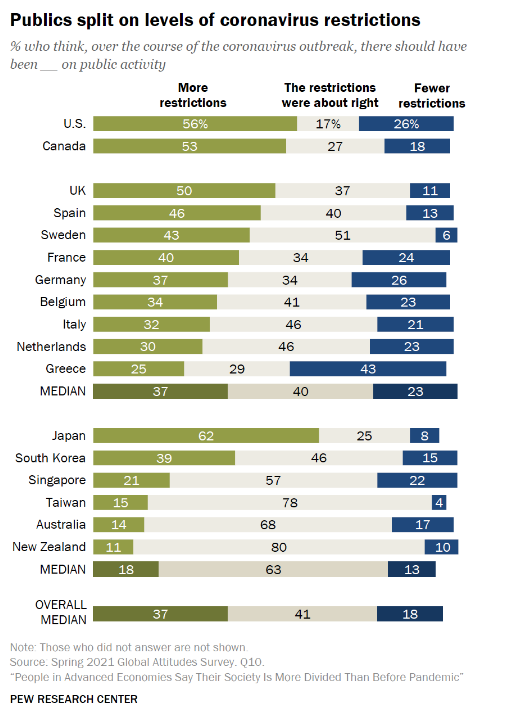
New Zealand (closely followed by Taiwan) was the country in which the largest share of respondents reckoned that over the full course of the coronavirus outbreak the level of restrictions on public activity were “about right”. Of the remainder of the New Zealand respondents, opinion was fairly evenly split between those who say they’d have favoured fewer restrictions and those who claimed they’d have favoured more. That split…
View original post 958 more words
Survival in changing times
28 Jun 2021 Leave a comment

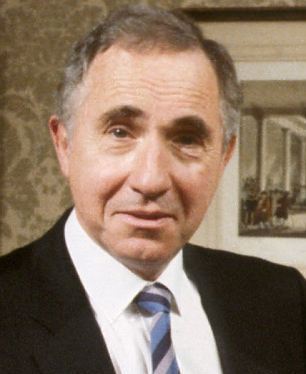
The predecessor of this blog was named after the famous comedy character from the Yes Minister and Yes Prime Minister TV series of the 1980’s, Sir Humphrey Appleby.
I was reminded of yet another aspect of him the other day when reading one of Chris Trotter’s latest missives, They Say We Want A Revolution – But Do We?.
The article is about both the proposals from the Climate Change Commission and the He Puapua report, but it was this part that caught my eye:
As a “free-marketeer” of no mean ability (the man has a PhD from the prestigious Wharton School of Business) Rod Carr could contemplate the installation of cash registers in public hospitals without flinching.
I’d forgotten about that long-lost tidbit from Rod Carr, back when he looked like this:

Yep. Every inch the 1980’s/90’s Rogernome businessman on the make, expensive business suit and cool tie with the…
View original post 186 more words
ZERO FAIL: THE RISE AND FALL OF THE SECRET SERVICE by Carol Leonning
28 Jun 2021 Leave a comment

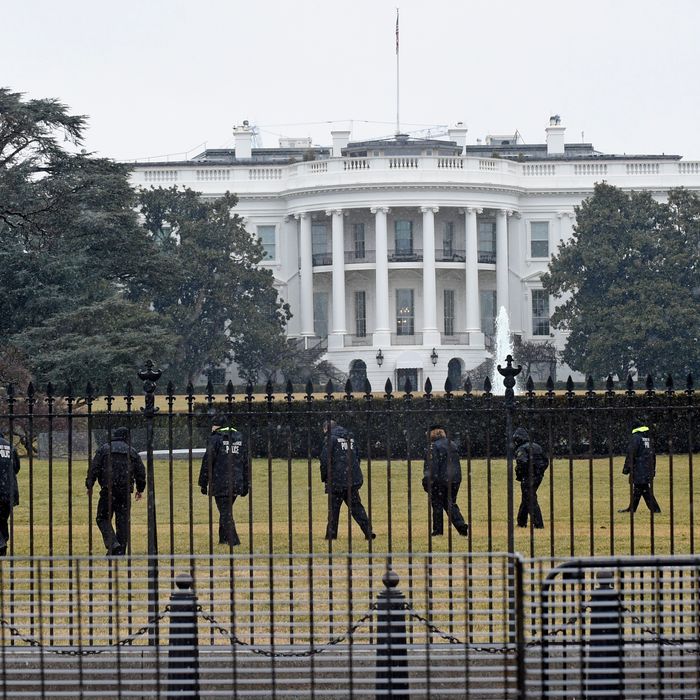
The significant role played by the United States Secret Service in American history cannot be denied. Be it the assassination of John F. Kennedy, the failed attempts on the lives of Gerald R. Ford and Ronald Reagan, few doubted the commitment of its agents to their craft and maintaining the safety of those in their charge. However, during the last decade or two questions have arisen over its job performance and as Pulitzer Prize winning Washington Post reporter, Carol Leonning points out in her new book, ZERO FAIL: THE RISE AND FALL OF THE SECRET SERVICE the actions or inaction of the agency question their effectiveness and how lucky they have been with the numerous mistakes and coverups that have come to light that no major disaster can be laid at its doorstep.
Leonning’s monograph examines the decline in the agency’s readiness and for some supervisors and agents a cavalier…
View original post 1,543 more words
Glenn C. Loury – Preserving the American Project: The Bias Narrative vs. the Development Narrative
28 Jun 2021 Leave a comment
in discrimination, economics of education, human capital, labour economics, labour supply, occupational choice, poverty and inequality Tags: racial discrimination
Steven Pinker: ‘Who, Me Controversial?’
28 Jun 2021 Leave a comment
in economics of education Tags: political correctness, regressive left
The 1970s Soviet Mission to Mars
28 Jun 2021 Leave a comment
in economics of media and culture Tags: Mars
Deliver us from EVEL? Is the government right to abolish ‘English Votes for English Laws’?
27 Jun 2021 Leave a comment



Following reports that the UK government is considering abolishing the ‘English Votes for English Laws’ procedures in the House of Commons, Daniel Gover and Michael Kenny argue that, although EVEL has some flaws as a solution to the ‘West Lothian Question’, abandoning it will also leave open bigger questions about how England should be represented within British parliamentary government.
According to a recent report in The Times, the UK government is preparing to abolish the ‘English Votes for English Laws’ standing orders in the House of Commons. This suggested that ministers have already been consulted on the move and look set to lend it support. The change would also need to be approved by MPs, but only a single vote in the Commons would be needed to make this important constitutional change.
That such a move is being considered by the current government is surprising and unexpected in equal…
View original post 1,279 more words


Recent Comments