The Second Opium War – History Matters
30 May 2021 Leave a comment
in defence economics, development economics, economic history, growth disasters Tags: China
Mustache Petes, Young Turks, and The Commission
30 May 2021 Leave a comment
in economics of crime, law and economics
Rod Marsh part 3 – Bat Size, Ball Tampering & DRS | 2015 Cowdrey Lecture
30 May 2021 Leave a comment
in cricket
The Fall of the Knights Templar
30 May 2021 Leave a comment
in defence economics, economic history, economics of religion
Pointless: Europe’s Wind & Solar Generators Rarely Deliver Power When It’s Actually Needed
29 May 2021 Leave a comment

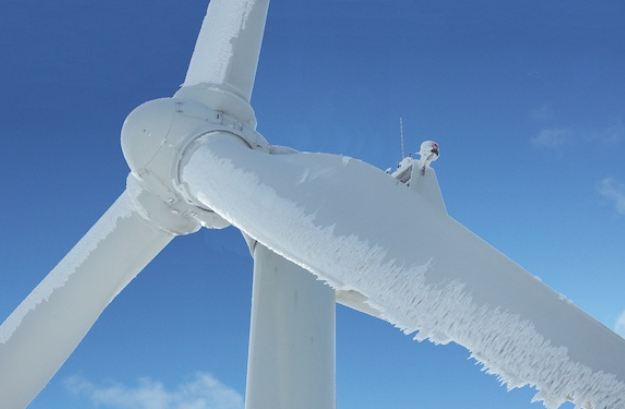
Wind and solar are an all or nothing kind of prospect; when the Sun’s at its zenith and the wind’s blowing just right, wind and solar generators actually start to look like ‘industries’. But, a spell of calm weather and/or sunset soon buries that notion. Power delivered when it’s not needed is worthless, as are part-time power generators who simply cannot deliver power when it is needed.
The three big renewable energy fanatics in Europe, Germany UK and France have had plenty of time to prove the purported merits of wind and solar.
Charles Rotter takes a look at the (miserable) scorecard, to date.
Weather Dependent Renewable power performance in Europe DE UK FR: 2020
Watts Up With That
Charles Rotter for edmhdotme
7 May 2021
In 2020, Weather Dependent Renewables (Wind and Solar Power) made up 58% of all power generation installations in the three Nations: Germany (DE), the…
View original post 1,203 more words
The Bridge on the River Kwai
29 May 2021 Leave a comment

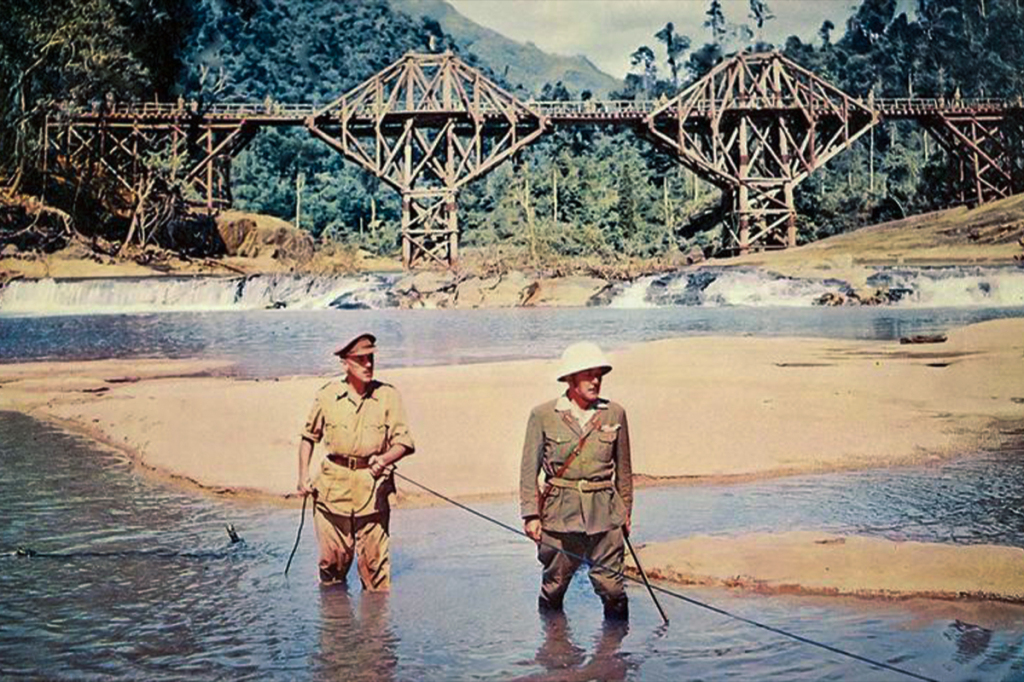
The Bridge on the River Kwai (1957) Director: David Lean
★★★★★
David Lean has made a lot of great movies including Lawrence of Arabia, Doctor Zhivago, A Passageto India, Great Expectations, and others. However The Bridge on the River Kwai stands alone as a uniquely slow-paced exploration into the nature of courage, honor, and duty. It won seven Academy Awards including Best Picture, Best Director (David Lean), and Best Actor (Alec Guinness).
Set against the backdrop of World War II in 1943, the story is based on the French novel “The Bridge over the River Kwai” by Peter Boulle. It was developed by two Hollywood blacklisted writers exiled in England at the time (Carl Foreman and Michael Wilson). It was the era of extreme communist paranoia in Washington and Hollywood was purged of all potential “threats.” Thus neither writer appears in the credits for the…
View original post 720 more words
Biden Climate Agenda Heads into Perfect Storm
29 May 2021 Leave a comment

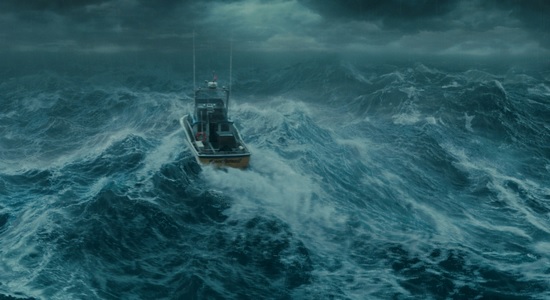
Michael Shellenberger writes at Forbes Why Biden’s Climate Agenda Is Falling Apart. He suggests that there are multiple forces opposing it, not only political but also laws of physics. Excerpts in italics with my bolds.
The Gathering Storm
Since taking office in January, President Joe Biden and Democrats have projected confidence that they will be able to pass climate infrastructure and budget legislation to expand renewables.
But in recent weeks, that confidence has rapidly faded. “I don’t think the votes are there in a reconciliation bill for the climate infrastructure-type issues,” an insider told the Washington Post.
Senate Democrats are not likely going to be able to use this year’s budget resolution to put together what is known as a reconciliation package. “Senior Democrats privately don’t believe they can finish work on a second reconciliation package,” noted a political reporter, “using the 2021 budget resolution by the end…
View original post 1,260 more words
The Hanoverians: George I (1714-1727)
29 May 2021 Leave a comment
As David Starkey writes, “For much of the eighteenth century, the monarchy veered between deep unpopularity and a national joke” (420). The new “Georgian” age lacked the conquests of the Plantagenets, the wild religious extremism of the Tudors and the Stuarts, and all the industriousness and sophistication of the Victorians. It was an age of liberty, new ideas, Georgian-style architecture (in contrast to the ornate French style) and the rise of the novel. The power of the monarchy was in decline but under the careful administration of a clutch of “cabinet” ministers, Britain became a more liberal and cosmopolitan empire. The last gasp of the Stuarts had ended with the death of Queen Anne (followed by her husband William of Orange), and in order to avoid the threat of a despotic Catholic monarch (per the Act of Succession) the crown skipped numerous blood relatives and was handed down to the…
View original post 1,469 more words


Recent Comments