Why did Nobody Conquer Liechtenstein?
22 Jan 2021 Leave a comment
in defence economics, economic history
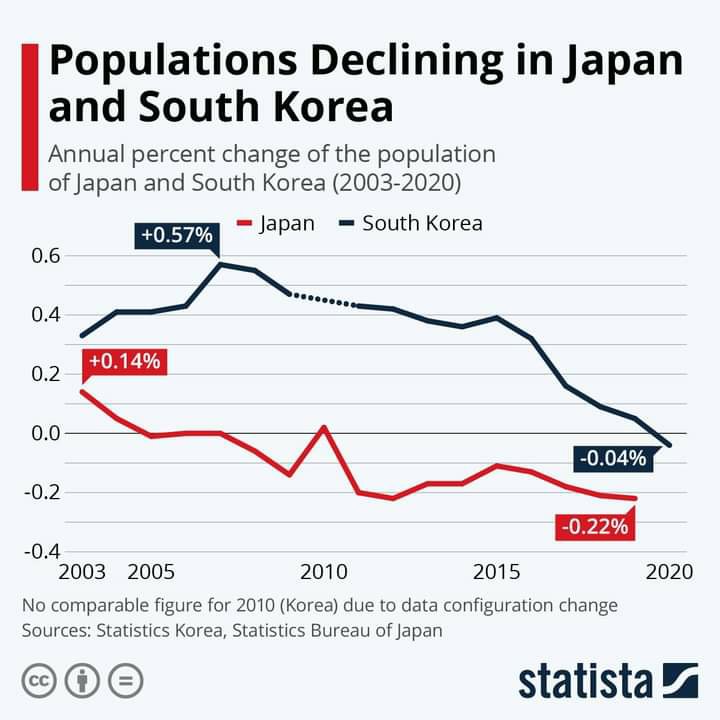
Economics in one lesson
22 Jan 2021 Leave a comment
in applied price theory, applied welfare economics, comparative institutional analysis, economics of bureaucracy, economics of regulation, history of economic thought, law and economics, property rights, Public Choice, public economics
Judie Tzuke – Stay With Me Till Dawn (Live On Countdown 1980)
22 Jan 2021 Leave a comment
in Music, television
The Royal Navy and the Convoy WWI Part I
21 Jan 2021 Leave a comment

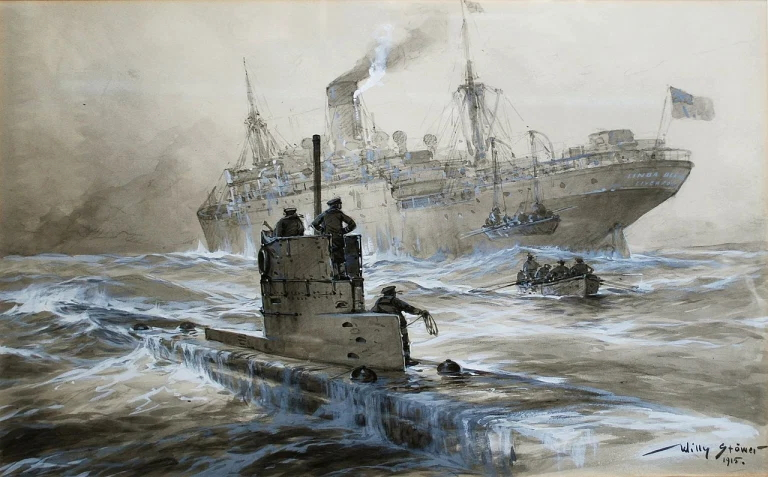
Sinking of the Linda Blanche out of Liverpool by Willy Stöwer
But by August 1916, when the greater part of the High Seas Fleet was ready fix sea again, nothing had occurred on either side that made a decisive battle more likely to take place. This was confirmed when, with a somewhat hollow show of bravado, Scheer ventured to demonstrate to the world that ‘the enemy must be on the watch for attacks by our Fleet’. On 19 August the High Seas Fleet with eighteen dreadnoughts and its only two serviceable battle-cruisers came out with the intention of effecting the aborted pre-Jutland raid on Sunderland in association with U-boat traps.
Again, Room 40 did not let down Jellicoe who was again at sea to meet Scheer before he had left harbour himself, this time well covered by scouting Zeppelins. The two Fleets were never in serious risk of making contact…
View original post 3,156 more words
Rivka Weill: We the British People Rule: From 1832 to the Present
21 Jan 2021 Leave a comment

 To anyone who accepts Britain’s parliamentary sovereignty, Brexit should not make sense. How could a nation committed to parliamentary rule find itself bound by a consultative referendum’s result? And after the majority of Parliament had repeatedly opposed Brexit!
In “From Earl Grey to Boris Johnson: Brexit and the Anglo-American Constitutional Model,” I reveal that Brexit does not shatter longstanding grand British constitutional traditions and violate parliamentary sovereignty, because Britain has, in fact, been operating under a popular sovereignty model since 1832. This model requires the People’s, and not just Parliament’s, consent as prerequisite for constitutional change. It demonstrates that Brexit is an organic outcome of Britain’s historical commitment to the People’s will.
Before 1832, the Lords indirectly controlled the House of Commons’ composition. They opposed the Great Reform Act’s adoption to preserve this control but lost the battle. From that point on, British constitutional history splits into three…
View original post 1,167 more words
Lost on the woke
21 Jan 2021 Leave a comment
in law and economics, politics - Australia, politics - New Zealand, politics - USA Tags: Age of Enlightenment, free speech, political correctness, regressive left


How Did Portugal Happen?
20 Jan 2021 Leave a comment
in defence economics, economic history Tags: maps


Recent Comments