Glenn Loury | Systemic Racism, Trump and BLM
09 Oct 2020 Leave a comment
in discrimination, economics of crime, law and economics, politics - USA, Public Choice Tags: racial discrimination
Christopher Marlowe (1564 – 93)
09 Oct 2020 Leave a comment

Christopher Marlowe was one of the original bad boy rebels. He lived fast, died young (aged 29) and left a beautiful corpus of exhilarating plays and sensuous poetry. Marlowe’s half dozen plays are the first to use blank verse, demonstrating its power and flexibility, and so can be said to have established the entire format of Elizabethan and Jacobean theatre.
Early life
Marlowe was the son of a Canterbury shoemaker. There’s a record of his being baptised on 26 February 1564. He won a scholarship to King’s School, Canterbury, then another to Corpus Christi College Cambridge where he was awarded a degree in 1584. However the authorities hesitated to award him an MA in 1587 because of rumours that he had spent time abroad, at Rheims, consorting with English Catholic exiles who were ordained as Catholic priests there before being smuggled back into England. If true, this amounted to treason…
View original post 1,410 more words
German in Signals Intelligence Russia I
09 Oct 2020 Leave a comment

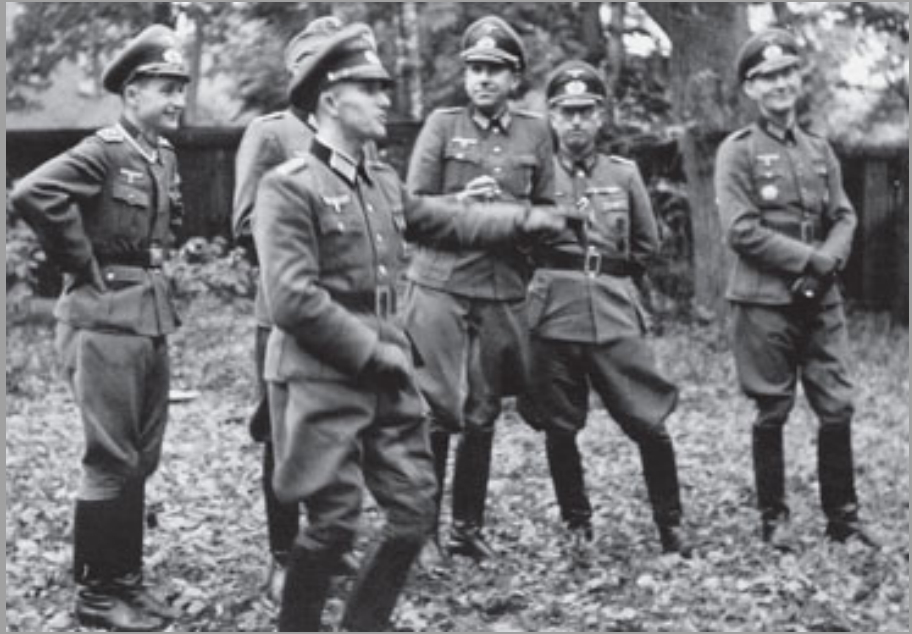
German officers attending an OKW signals intelligence course in Jüterbog, near Berlin, in October 1944. Left to right: Oberwachtmeister Suenkel; behind the tutor, Hauptmann Russ, of the Fenast post at Treuenbrietzen; the tutor, Major Philiptitsch, also of the Fenast post at Treuenbrietzen; Major Wend, commanding the Fenast at Lauf; Regierungsrat Wilhelm Flicke in glasses; and, next to Flicke, Inspecktor Pokojewski. The Allies had liberated Paris in August and were advancing to the German border. Flicke was tutoring Nachrichtenhelferinnen (female operators) at Jüterbog to replace soldiers drafted into fighting units of the German Army.
The High Command of the Wehrmacht (OKW) were not good at accepting intelligence evaluations that they disagreed with. Nowhere was this more obvious than during the Russian campaign. The papers of Colonel Randeweg, who was commanding the German intercept units in southern Russia before Operation Barbarossa in June 1941, showed a clear picture of the Red Army…
View original post 3,047 more words
Bomber Command: The Years of Crisis, 1935-9
09 Oct 2020 Leave a comment
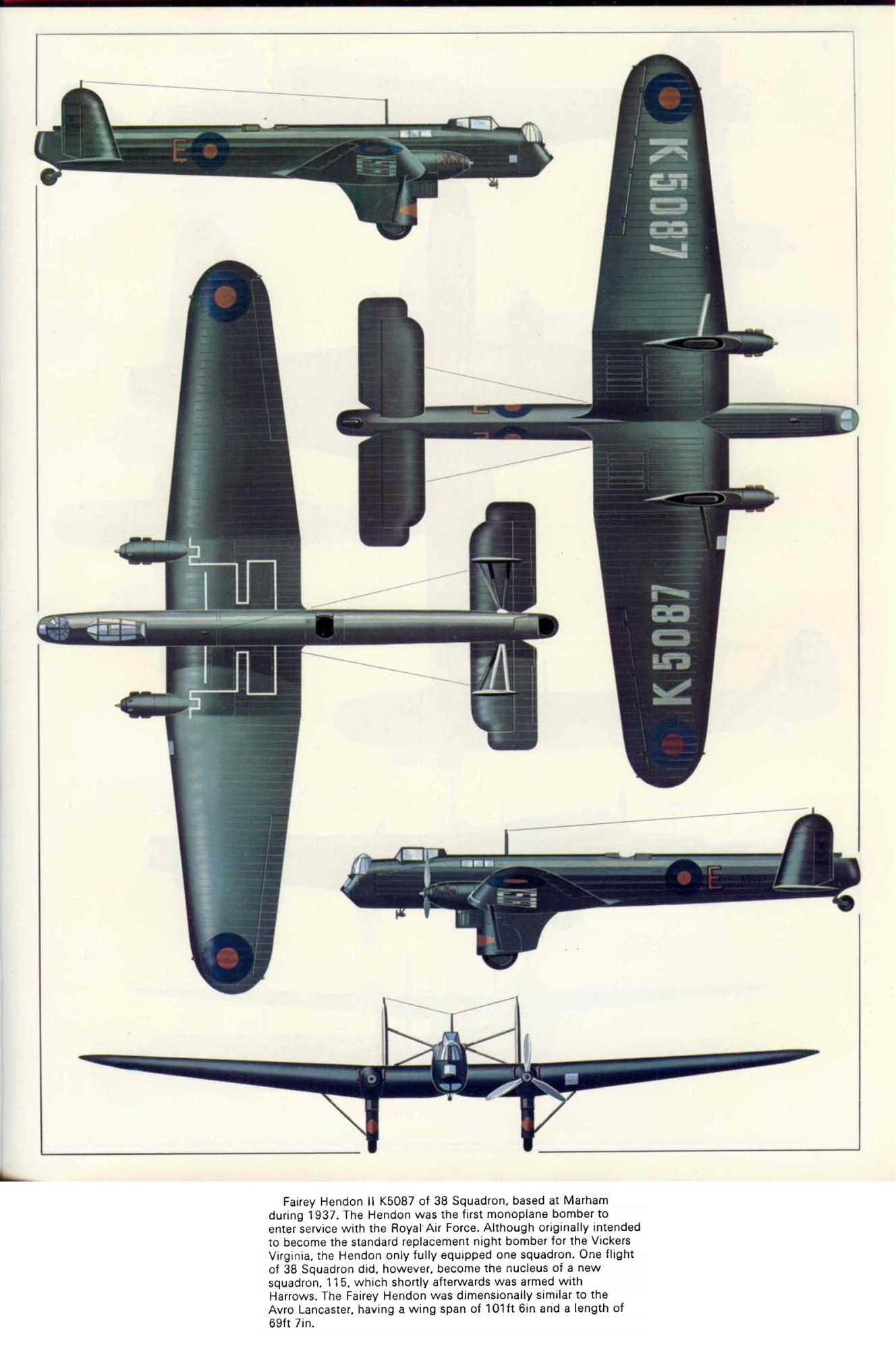
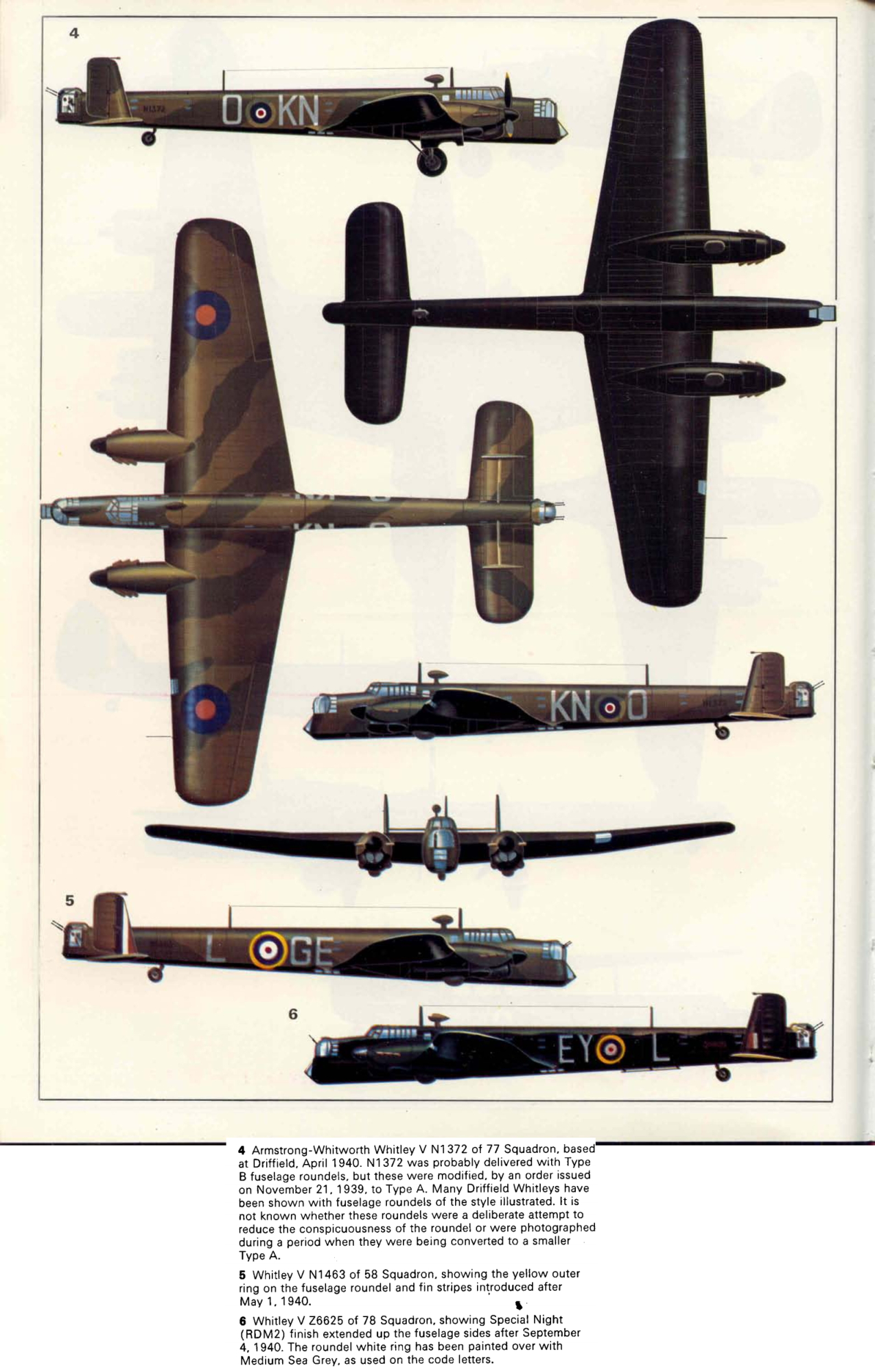
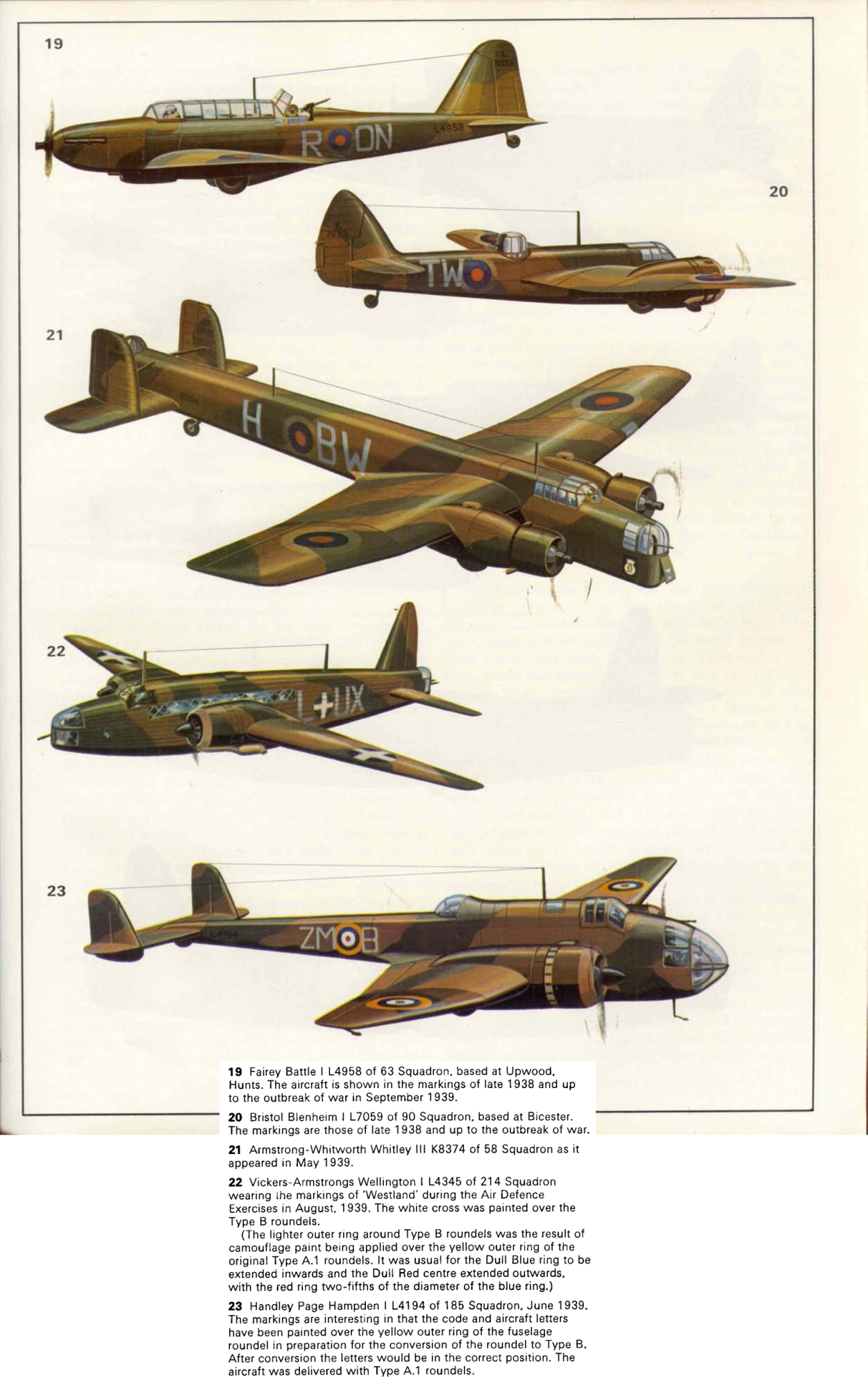
Although Germany’s rearmament plans were alarming enough, the Air Staff were confident that the Germans would not be in a position to offer a serious challenge to Britain in terms of first-line air power until at least the end of 1936. This belief, however, was based on the assumption that there would be no dramatic increase in the rate of German aircraft production; if such an increase took place, the Air Staff were well aware that the Germans had the capability to build up a combat force of two thousand aircraft, with reserves, in a relatively short time. Air Chief Marshal Sir Edward Ellington, who had taken over the post of CAS in May 1933, stated this danger in very clear fashion at a Chiefs of Staff Committee meeting on June 1934.
Parliament, however, seemed unable to grasp the sense of urgency. It was absent even in November 1934, when…
View original post 6,158 more words
The labour market causes and consequences of general purpose technological progress: evidence from steam engines
09 Oct 2020 Leave a comment

by Leonardo Ridolfi (University of Siena), Mara Squicciarini (Bocconi University), and Jacob Weisdorf (Sapienza University of Rome)

Should workers fear technical innovations? Economists have not provided a clear answer to this perennial question. Some believe machines make ‘one man to do the work of many’; that mechanisation will generate cheaper goods, more consumer spending, increased labour demand and thus more jobs. Others, instead, worry that automation will be labour-cheapening, making workers – especially unskilled ones – redundant, and so result in increased unemployment and growing income inequality.
Our research seeks answers from the historical account. We focus on the first Industrial Revolution, when technical innovations became a key component of the production process.
The common understanding is that mechanisation during the early phases of industrialisation allowed firms to replace skilled with unskilled male workers (new technology was deskilling) and also…
View original post 454 more words
TO START A WAR: HOW THE BUSH ADMINISTRATION TOOK AMERICA INTO IRAQ by Robert Draper
09 Oct 2020 Leave a comment


(Secretary of Defence Donald Rumsfeld and Vice President Dick Cheney)
In reassessing the results of the Iraq War one thing is clear, the United States made a terrible error invading Saddam Hussein’s kingdom in 2003. If one looks objectively at the current state of the Middle East one can honestly conclude that the ultimate victor was Iran. Iraq was a state that was held together by an authoritarian regime that dealt with Sunnis, Shiites, and Kurds. Once the war brought “shock and awe,” or devastation the country split apart into civil war eventually allowing Iran to ally with Shiite forces and influence its government, fostered the rise of the Islamic State (ISIS), contributed to the Syrian civil war, reinforced Turkey’s goal of destroying the Kurds, and diminished the American presence and reputation in the region. One could argue that looking back after fifteen years that the mess that was created…
View original post 1,629 more words
David Lee Roth tells the story behind the “no brown M&Ms” legend
09 Oct 2020 Leave a comment
in entrepreneurship, managerial economics, Music, organisational economics Tags: asymmetric information, moral hazard
THE ZHIVAGO AFFAIR: THE KREMLIN, THE CIA, AND THE BATTLE FOR A FORBIDDEN BOOK by Peter Finn and Petra Couvee
09 Oct 2020 Leave a comment
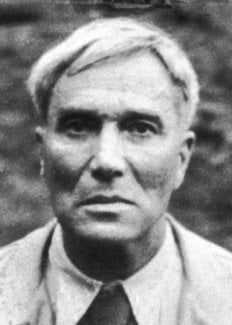
I remember years ago when I saw David Lean’s film “Dr. Zhivago,” leaving the theater with the name Lara rebounding in my psyche. This led me to read the novel that just floored me. Now so many years later I have read Peter Finn and Petra Couvee’s monograph THE ZHIVAGO AFFAIR: THE KREMLIN, THE CIA, AND THE BATTLE OVER A FORBIDDEN BOOK that choreographs Boris Pasternak’s journey from poetry to fiction, the Kremlin’s attempt to prevent its dissemination within and outside the Soviet Union, and the role of the CIA in trying to weaponize the novel as a vehicle in the Cold War. The book itself appears professionally researched but there are a number of gaps, i.e., Pasternak’s experience during World War II is covered in a page or two, among others. Overall, the book is well conceived, but I believe the authors could have done more with the topic.
View original post 856 more words
How Can the New York Times Write about the Failure of Venezuela and not Mention Socialism?
09 Oct 2020 Leave a comment

Every so often, I’ll grouse about media sloppiness/media bias, most often from the Washington Post or New York Times, but also from other outlets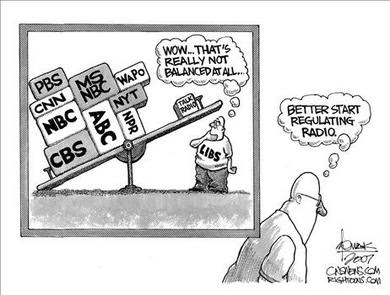 (Reuters, Time, ABC, the Associated Press, etc).
Let’s add to the collection today by perusing an interesting – but frustrating – article in the New York Times about Venezuela’s near-decimated oil industry.
Authored by Sheyla Urdaneta, Anatoly Kurmanaev and , it provides a thorough description of how the energy sector in oil-rich Venezuela has collapsed.
For the first time in a century, there are no rigs searching for oil in Venezuela. Wells that once tapped the world’s largest crude reserves are abandoned… Refineries that once processed oil for export are rusting hulks… Fuel shortages have brought the country to a standstill.
At gas stations, lines go on for miles. …The country that a decade ago was the…
View original post 682 more words


Recent Comments