Three of Peter Singer's grandparents died in the Holocaust. This is Singer's view on criminalizing Holocaust denial: pic.twitter.com/jxhB3vsiu4
— Steve Stewart-Williams (@SteveStuWill) February 7, 2018
Free speech as a counter to conspiracy theories
08 Feb 2018 Leave a comment
in liberalism Tags: conspiracy theories, free speech
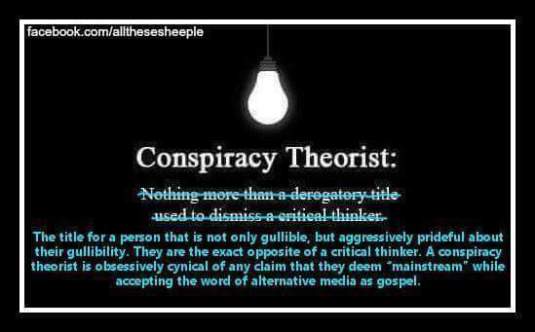
Mitchell & Webb – Conspiracy Theories
08 Oct 2017 Leave a comment
in economics of media and culture Tags: conspiracy theories
Truth About Conspiracy Theories
25 Jun 2017 Leave a comment
in economics, economics of media and culture Tags: conspiracy theories
Why conspiracy theories are rational to believe Cass Sunstein
17 Jun 2017 Leave a comment
in economics of media and culture Tags: cognitive psychology, conspiracy theories, political psychology

.@TheEconomist thinks US domestic airlines are a successful oligopoly!?
05 May 2017 Leave a comment
in economic history, industrial organisation, transport economics Tags: airline deregulation, cartel theory, cartels, conspiracy theories, game theory, oligopolies

ON THE PERSISTENT FINANCIAL LOSSES OF U.S. AIRLINES: A PRELIMINARY EXPLORATION Severin Borenstein Working Paper 16744 January 2011.
Gender pay gap shown to be a myth by @paulabennettmp @women_nz
03 May 2017 Leave a comment
in discrimination, gender, labour economics, law and economics, politics - New Zealand Tags: conspiracy theories, economics of fertility, gender wage gap, implicit bias, unconscious bias
The Minister for Women Paula Bennett and the Ministry of Women published excellent research in February showing there cannot be a gender wage gap driven by unconscious bias. The Minister has blamed a large part of the remaining gender wage gap on unconscious bias.
… up to 84 per cent of the reason for the Pay Gap, that’s right, 84 per cent, is described as ‘unexplained factors.’ That means its bias against women, both conscious and unconscious.
It’s about the attitudes and assumptions of women in the workplace, it’s about employing people who we think will fit in – and when you have a workforce of men, particularly in senior roles then it seems likely you’re going to stick with the status quo – whether they do that intentionally or just because “like attracts like”.
It’s because there is still a belief that women will accept less pay than men – they don’t know their worth and aren’t as good at negotiating.
The reason why this February 2017 research on the motherhood penalty contradicts earlier Ministry of Women research on unconscious bias and the gender wage gap is simple.
There is a large difference in the gender wage gap from mothers and for other women. As the adjacent graphic from Ministry of Women research shows, the gender wage gap for mothers is 17% but it is only 5% from other women.

Source: Effect of motherhood on pay – summary of results Statistics New Zealand and Ministry of Women February 2017.
We men, us dirty dogs all, have no way of knowing whether a female applicant is a mother. Remember we are dealing with unconscious bias, the raised eyebrow, the prolonged pause, the lingering glance, not a conspiracy or a prejudice of which we are self-aware and take overt steps to implement. Unconscious bias is unconscious by definition.
Because the bias against women is implicit and unconscious, we men, dirty dogs all, do not know we are biased, so we do not know we have to make further enquiries to check if the female applicant is a mother so we can discriminate against her more than we do for other women.That is before we consider other drivers of the gender wage gap such as whether there are relatively large spaces between the births of her children.
Large spaces between the birthdays of children greatly increases the gender wage gap because women spend much more time out of the workforce and part-time if they spread births. This reduces their accumulation of on-the-job human capital and encourages women who plan large families to choose occupations and educational majors that do not depreciate rapidly during career interruptions.
I have no idea how an unconsciously biased employer can discover if a woman has children with spaced out ages and therefore discriminate against an even more, unconsciously, of course. We men, dirty dogs all, do not know that in order to discriminate against them, especially in shortlisting for initial hiring when we have no information beyond the application about them.
Do women have more unconscious bias against women than men? If not, there should be differences in the gender pay gap in firms with more women managers or owners.
Becoming a mother and going part time is seriously bad for women's incomes ft.com/content/94e2e7… https://t.co/2bFfELztnX—
Chris Giles (@ChrisGiles_) August 23, 2016
Perhaps there is more unconscious biased in promotions because managers may have accidentally learnt are the ages of the children of female applicants and unconsciously taken a note to remember that when unconsciously discriminating against them in promotion. This unconscious bias involves a lot of very conscious data collection and retention.
All in all, the unconscious bias hypothesis simply cannot explain such a large difference between the gender wage gaps of parents and non-parents. There is too much evidence whose existence that is strictly forbidden by the hypothesis of unconscious bias against women in the workplace.
In case you have a hangover and a sore behind
29 Apr 2017 Leave a comment
in economics of media and culture Tags: alien abductions, conspiracy theories, cranks, Quacks
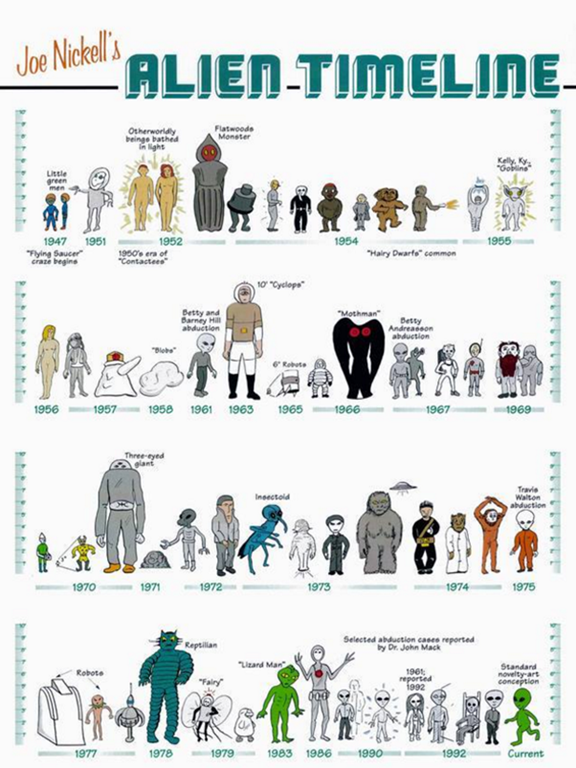
The Internet allows too many cranks to reach beyond their mother’s basement
13 Apr 2017 Leave a comment

Response to my OIA on #HitandRunNZ
29 Mar 2017 Leave a comment
in defence economics, laws of war, politics - New Zealand, war and peace Tags: Afghanistan, conspiracy theories, conspiracy theorists
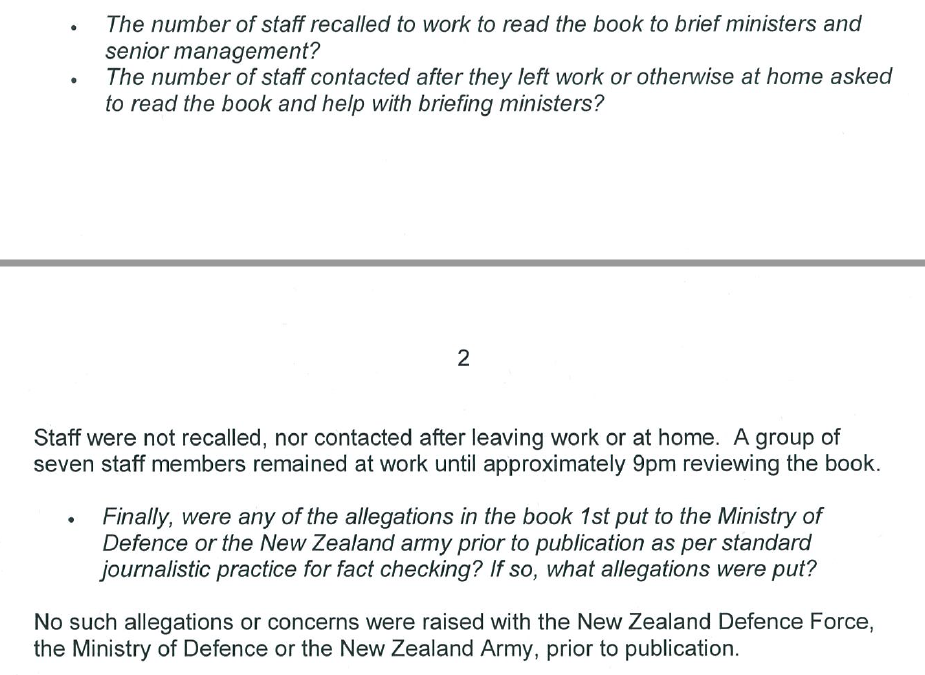
Is it not standard journalistic practice to put your allegations to the subject of your investigation prior to publication? Hager testified in the High Court that
… where the allegations were serious and the evidence was far from being solid enough to publish with confidence, I would definitely have gone to the person being accused to hear their side. Not only is that fair to the person concerned but also it would form a vital part of the checking of the facts. The person’s response would be very important as to whether I proceeded to publish the allegations about that person.

A Wellington journalist who should have known better wondered why the New Zealand Army took so long to respond to Hit and Run. The reason was they received no advance copies. They were still reading it into the night.

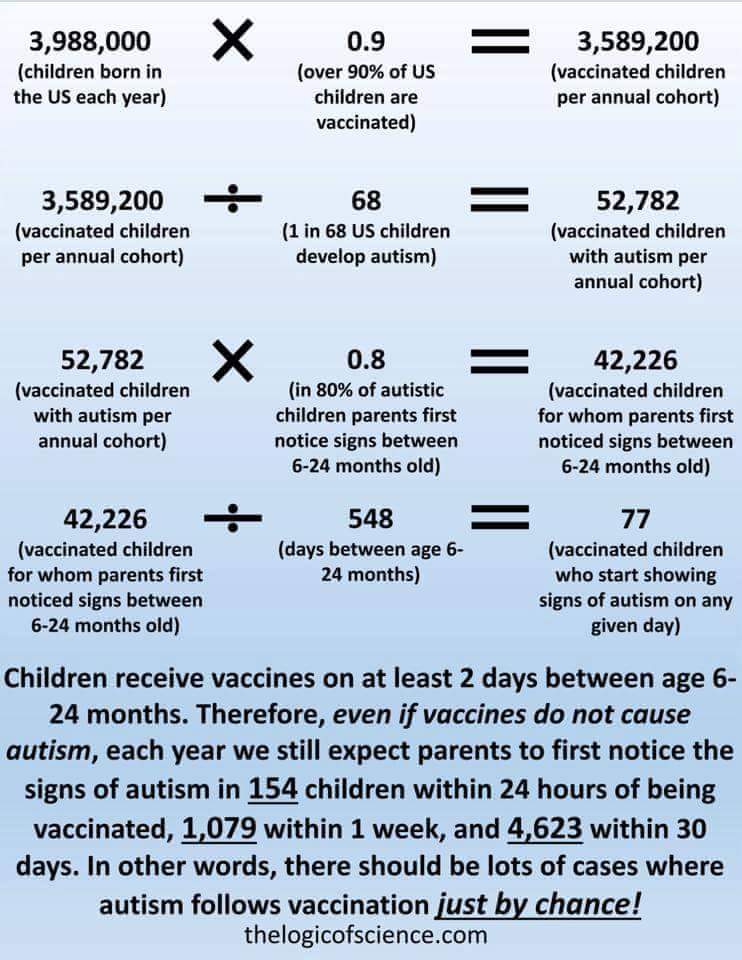
 Utopia, you are standing in it!
Recent Comments