
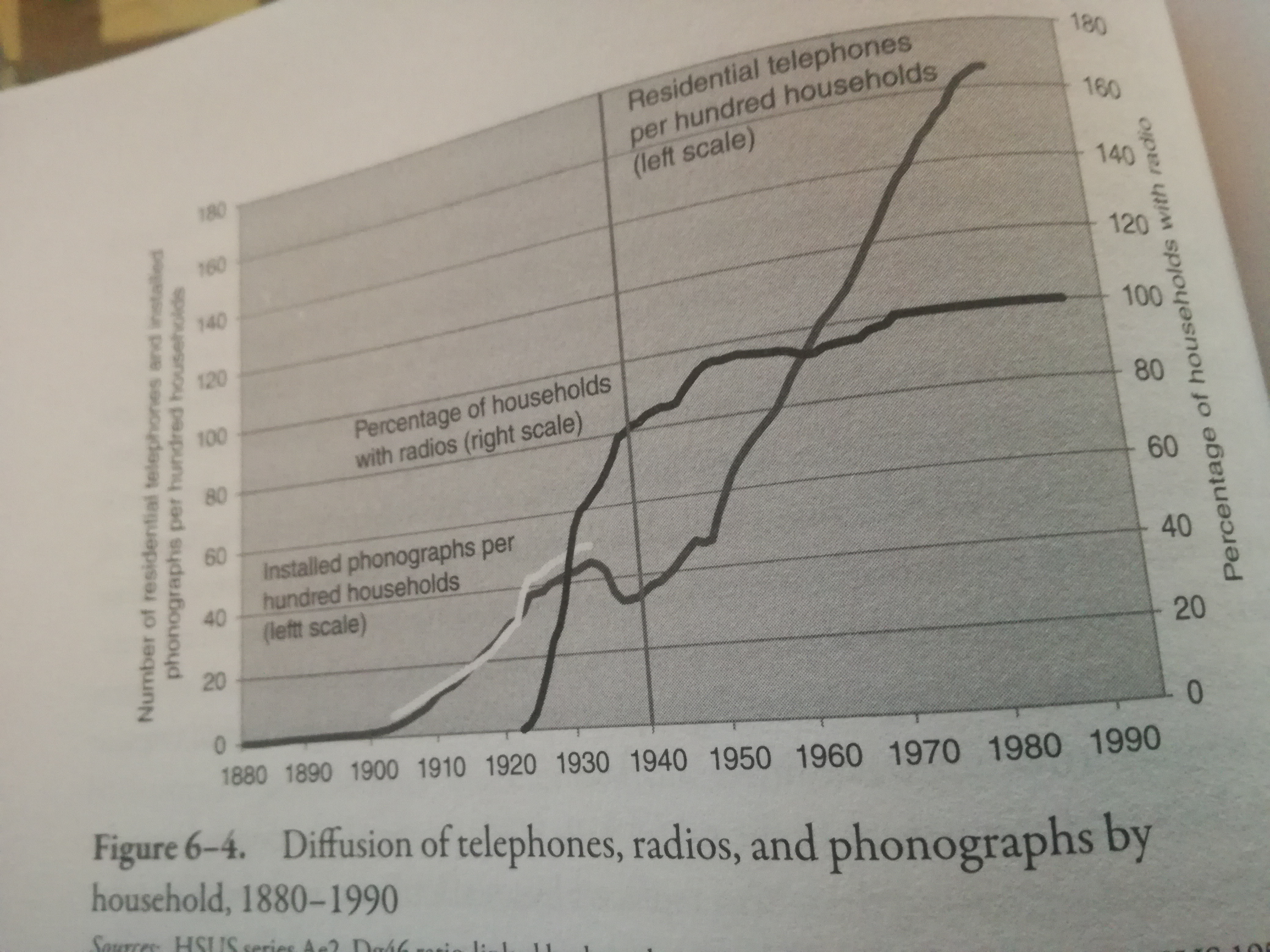
Creative destruction in jobs is nothing new
02 Jul 2017 Leave a comment
in economic history, industrial organisation, labour economics, labour supply, survivor principle Tags: automaton, creative destruction

The Balance of Industries and Creative Destruction
30 Jun 2017 Leave a comment
in applied price theory, entrepreneurship, industrial organisation, survivor principle Tags: creative destruction, invisible hand
The big shift in car designs
28 May 2017 Leave a comment
in economic history Tags: creative destruction, road safety
Amazon vs. Walmart market capitalisation
24 May 2017 Leave a comment
in entrepreneurship, financial economics Tags: creative destruction
Steve Wozniak Debunks One of Apple’s Biggest Myths
22 May 2017 Leave a comment
in economic history, entrepreneurship, industrial organisation Tags: creative destruction
Failing firm defence for legacy media mergers
03 May 2017 Leave a comment
in industrial organisation, law and economics, politics - New Zealand Tags: anti-trust law, commerce commission, competition law, creative destruction, failing firm defence, legacy media
There is a large literature on the failing firm defence to merger law. I wrote an Australian Law Journal article about that defence many years ago.
The essence of the argument is that when a firm is to fail, the choice is between a high cost single plant monopoly and a lower cost multi-plant monopoly that absorbs the asset failed firm. For today’s purposes, that would be newspapers that would otherwise close but for the now blocked Fairfax/NZME media merger

Some think allowing mergers of market leaders with failing firms is good for competition.
To get a merger clearance on the basis of the failing firm defence, the merging companies must provide sufficient, compelling evidence that the failing firm will inevitably leave the market without the merger and there is no less anti-competitive alternative.
The basic rationale behind the doctrine is that since the failing firm would have left the market anyway due to its financial collapse, any harm to competition caused by the loss of an independent market player would arise regardless of the merger. Allowing the merger saves scrapping the assets of the failed firm.
Posner and Easterbrook described the failing firm defence as one of the most pernicious doctrines to ever arise in antitrust law. They did not elaborate much.
Kids react to Walkmans
01 Apr 2017 Leave a comment
in economics of media and culture Tags: creative destruction, good old days

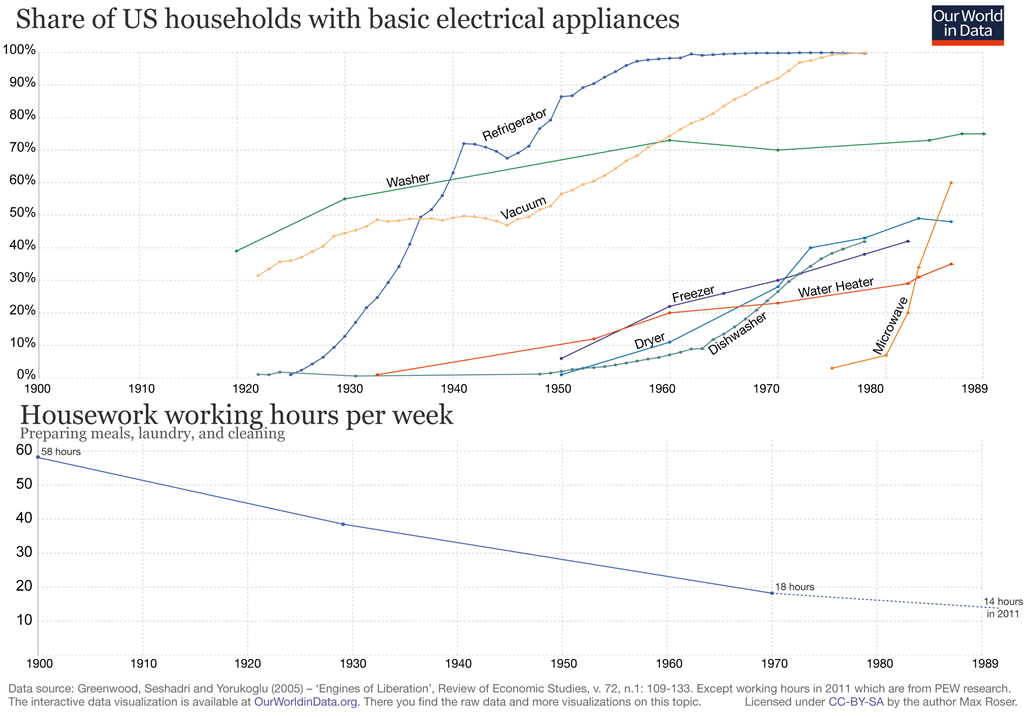
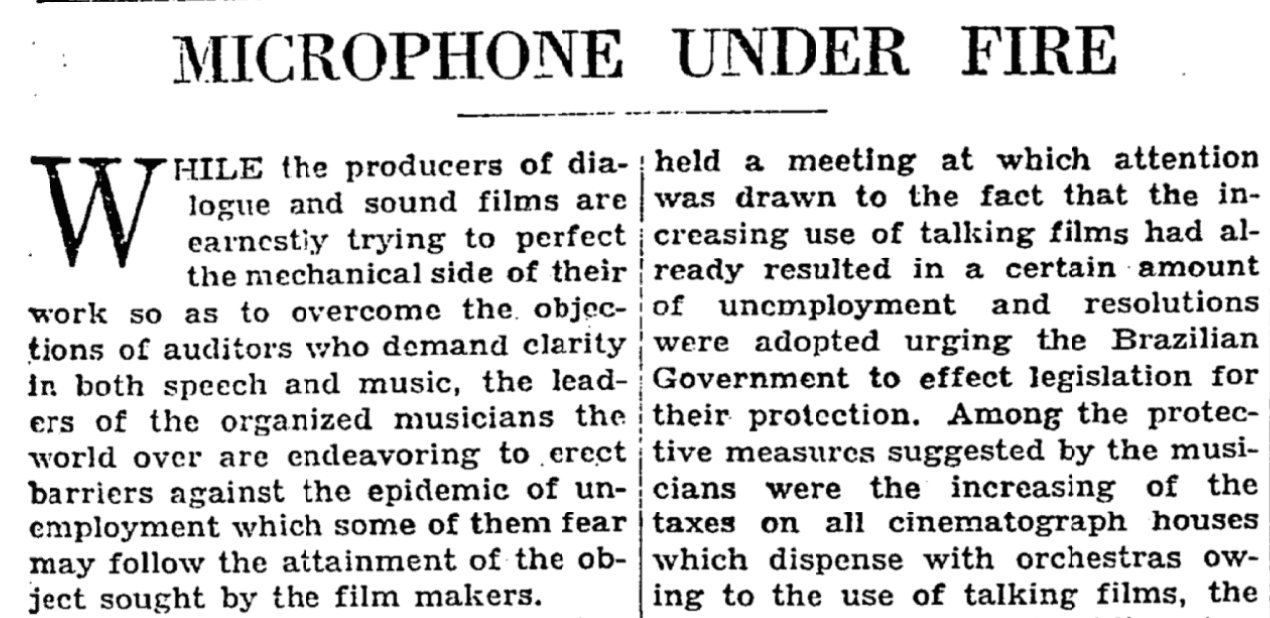
 Utopia, you are standing in it!
Recent Comments