Back in 1984, computers were going to help us do away with paper
03 Nov 2016 Leave a comment
in economic history, economics Tags: creative destruction, PCs
Econ Duel: Will Machines Take Our Jobs?
02 Nov 2016 Leave a comment
in applied price theory, economic history, entrepreneurship, industrial organisation, survivor principle Tags: creative destruction
ALL Obsolete Industries Deserve The Taxi Bailout!
25 Oct 2016 Leave a comment
in economic history, industrial organisation, survivor principle Tags: creative destruction
Creative destruction in the 5 largest companies
24 Oct 2016 Leave a comment
in economic history, entrepreneurship, fisheries economics Tags: Apple, creative destruction, Microsoft

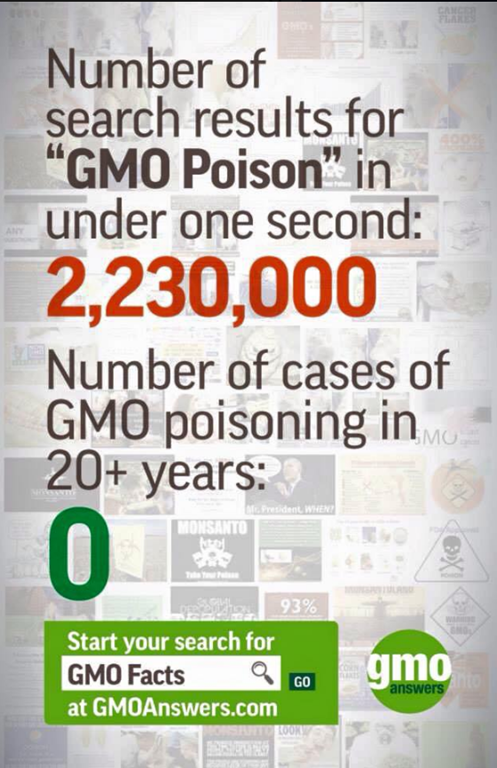
Speaking of #GMO dangers @GreenpeaceNZ @NZGreens
21 Oct 2016 Leave a comment
in economics of regulation, environmental economics, health economics Tags: agricultural economics, antiscience left, creative destruction, GMOs, Greenpeace, New Zealand Greens
#Uber and creative destruction in The Knowledge
21 Sep 2016 Leave a comment
in economics of regulation, entrepreneurship, industrial organisation, survivor principle Tags: creative destruction, entrepreneurial alertness, taxi regulation, Uber
I used Uber for the first time over the weekend. My car was towed away and a friend had the app on his phone. We used it to go to the tow away yard to pay the $275 release fee.
One of the things I noticed was the the driver could immediately use his GPS because it was pre-programmed by the booking.
When you book a regular cab, they do not know where you are going until they arrive. This is to stop drivers avoiding picking up short trips. It also means that they must know where they are going rather than waste time programming the GPS. Prior to the GPS, they simply had to know where everything was.

The Knowledge, knowledge of London streets necessary to qualify for a black cab License is so difficult that neurologists study the brains of black cabdrivers to see how they are different from others in memory capacity.
Uber destroyed the Knowledge in a wave of creative destruction by linking the app booking request to GPSs. No diver needs to know where anything because the destination and pickup points are both pre-programmed into their GPS.
Creative destruction in print media
22 Aug 2016 Leave a comment
in economics of media and culture, industrial organisation, survivor principle Tags: creative destruction, legacy media

BP predicted drone technology being used for deliveries
21 Aug 2016 Leave a comment
in economics, economics of media and culture Tags: creative destruction, drones
This plane could cross the Atlantic in 3.5 hours. Why did it fail? – Vox
21 Jul 2016 Leave a comment
in transport economics Tags: creative destruction
Labor, Jobs, and the Modern Economy | Becker Friedman Institute
20 Jul 2016 Leave a comment
in economics, industrial organisation, Joseph Schumpeter, labour economics, politics - USA, population economics, technological progress Tags: creative destruction
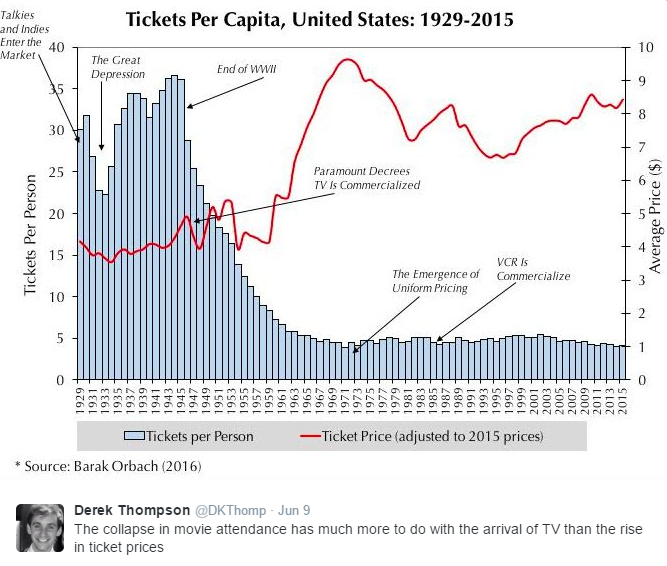
Creative destruction in movie ticket sales
06 Jul 2016 Leave a comment
in industrial organisation, movies, survivor principle Tags: creative destruction
.
Average top incomes in New Zealand
05 Jul 2016 Leave a comment
in human capital, labour economics, labour supply, occupational choice, poverty and inequality Tags: creative destruction, entrepreneurial alertness, top 1%
The average top income in New Zealand is that of a professional, executive or entrepreneur.
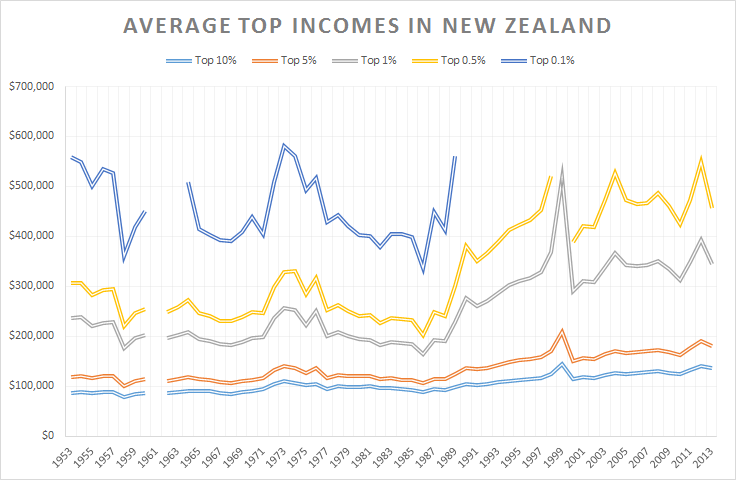
Source: The World Wealth and Income Database.
Nitpicking @stevenljoyce reply 2 @TaxpayersUnion on corporate welfare @JordNZ
05 Jul 2016 Leave a comment
in applied price theory, applied welfare economics, comparative institutional analysis, economics of bureaucracy, industrial organisation, politics - New Zealand, Public Choice, rentseeking, survivor principle Tags: creative destruction, endogenous growth theory, industry policy, innovation, picking losers, picking winners, public goods, R&D, water economics
The best the Minister for Economic Development, Steven Joyce, could do in response to my recent report on corporate welfare was nit-picking. Joyce said my definition of corporate welfare was flawed and that spending on R&D will grow the economy. He said
“To brand things like tourism promotion and building cycle-ways as corporate welfare is, I think, creative but not accurate at all.”
Joyce also said my report was
just somebody picking out a whole bunch of government programmes that in many cases don’t involve payments to firms at all…
Those that do involve payments to firms are specifically designed to encourage the development for example of the business R&D industry. Politicians don’t choose them.
Payments in kind are business subsidies. R&D is so important to the economy that the last thing you want is its direction to be biased by funding from government. Bureaucrats have a conservative bias and do not fund oddballs and long shots. The oddballs and hippies in the picture below could only afford the photo because they won a radio competition in Arizona.
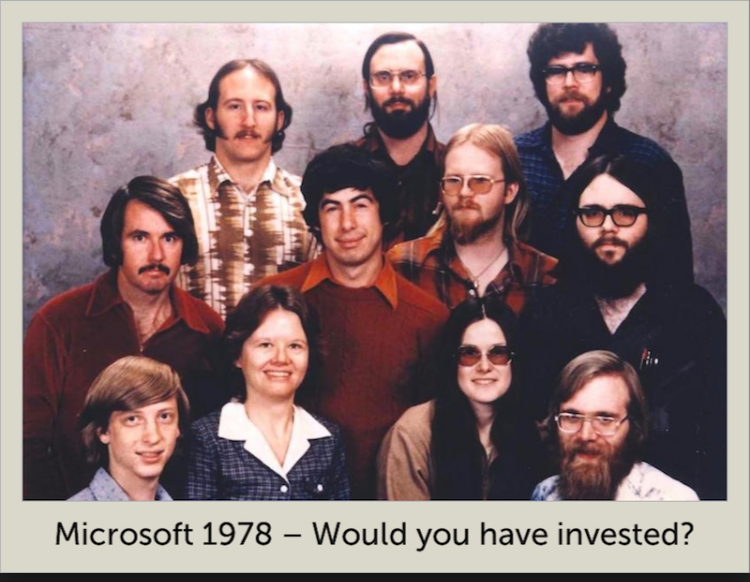
The R&D expenditure that was criticised in my report was commercialisation, not basic research, which was specifically praised. Which research to commercialise is for entrepreneurs.
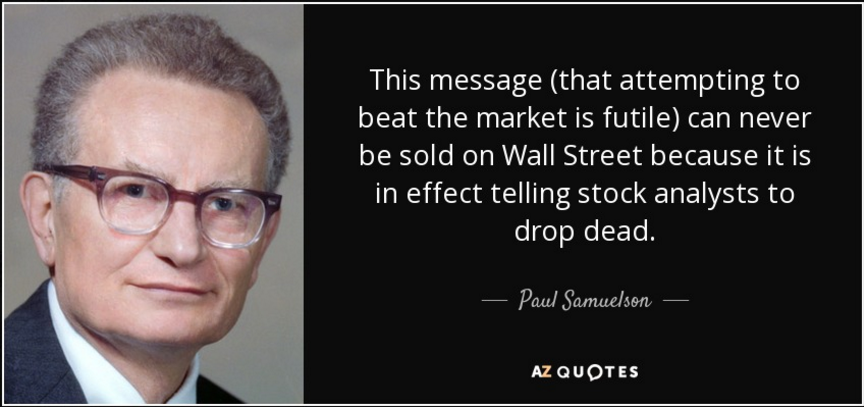
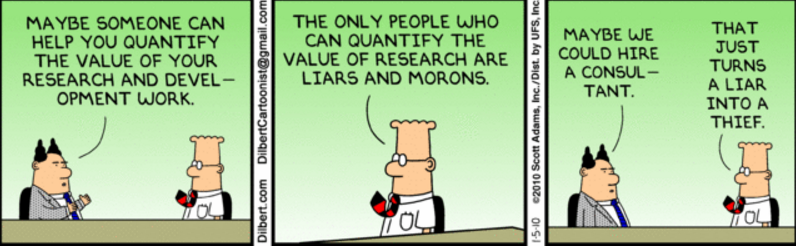
There is no reason whatsoever to think bureaucrats administering R&D subsidy budgets set by politicians are any better than private entrepreneurs at picking the next big thing.
Page 33 of "An Illustrated Guide to Income" more economic #dataviz at: bit.ly/10M7lqR http://t.co/FcmaqZWB32—
Catherine Mulbrandon (@VisualEcon) May 09, 2013
If bureaucrats were any good at picking winners, were any good at beating the market, they would go work for a hedge fund on an astronomically better salary package. The salary package of one top hedge fund manager exceeds the entire payroll budget of most New Zealand government departments including those administering R&D subsidies and other hand-outs.
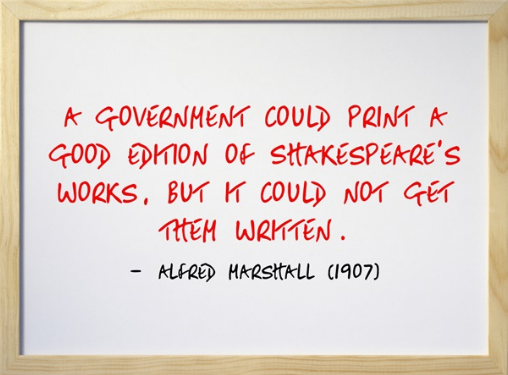
Government expenditure in vital areas such as innovation should be justified on the basis of cost-benefit ratios and a rationale for why bureaucrats have superior access to information about the entrepreneurial prospects of unproven technologies and product prototypes.
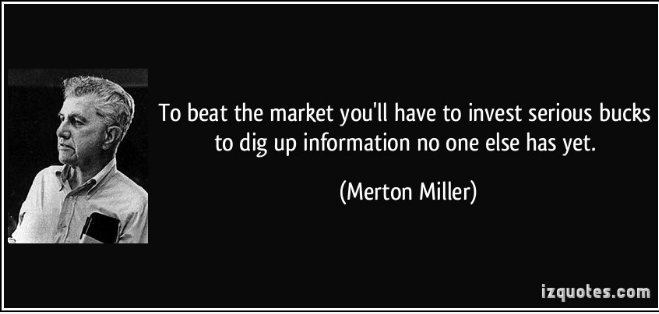
Subsidies should not be defended because of their popularity and sexiness as Mr Joyce did for the film industry, tourism promotion and ultra-fast broadband
If they told New Zealanders that in their view tourism promotion should be cancelled, the film industry should close down, that their shouldn’t be any ultra-fast broadband…I don’t think people would be that enamoured with it.
On irrigation funding, Mr. Joyce cited a report by NZIER that found irrigation contributes $2.2 billion to the economy. Irrigation is a private good which can funded by pricing it properly including the recovery of capital costs. There is no case for a subsidy.
Public goods have spillovers, private goods such as water and irrigation do not. Users can fund the irrigation themselves buying as little or as much water as they are willing to pay out for out their own pockets. The NZIER report noted that it was not about the case for public funding:
… we are not able to quantify the environmental or social impacts if irrigation had never occurred. We also do not attempt to investigate the relative merits of public versus private sector funding of the schemes.


Recent Comments