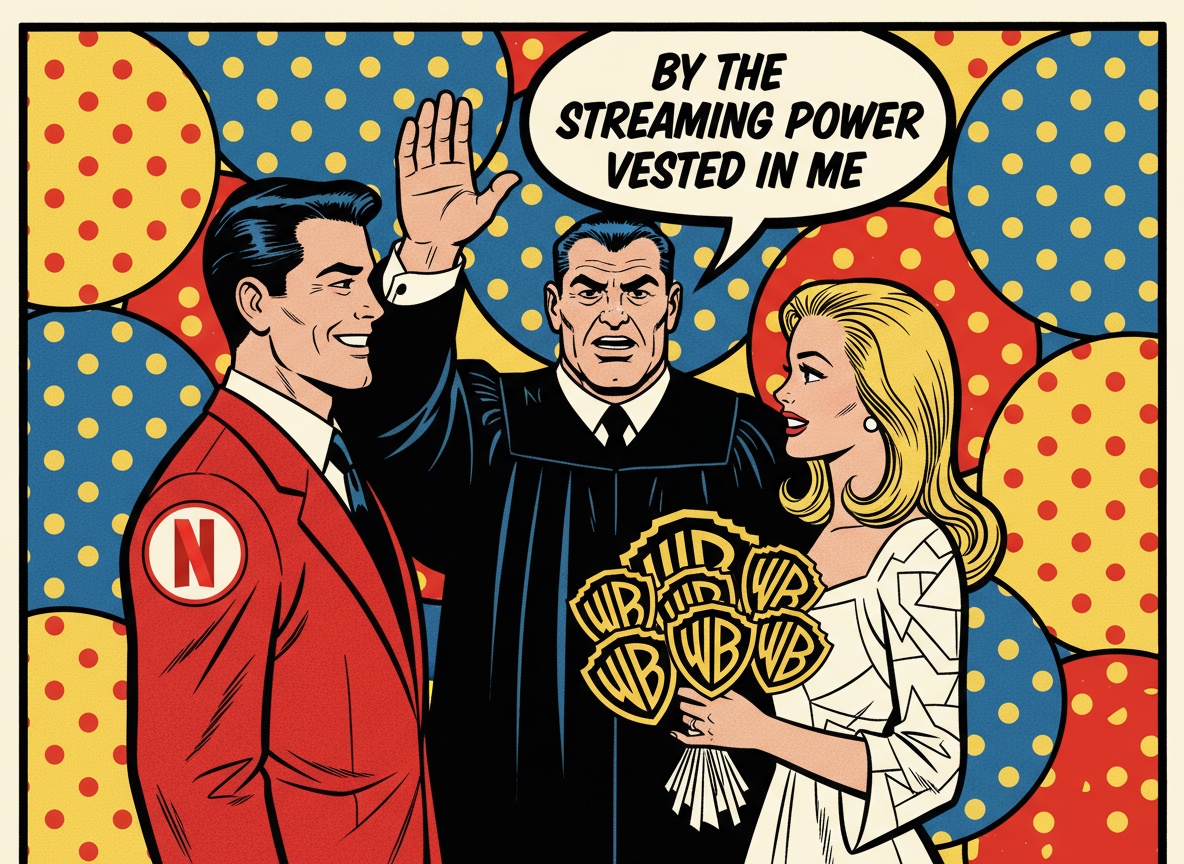
This morning’s announced merger between Netflix and Warner Bros. Discovery (WBD) would create a global media company of unprecedented scale. The transaction will also almost certainly attract scrutiny from antitrust regulators—most likely the U.S. Justice Department (DOJ) Antitrust Division, rather than the Federal Trade Commission (FTC). The deal would offer a direct test of the…
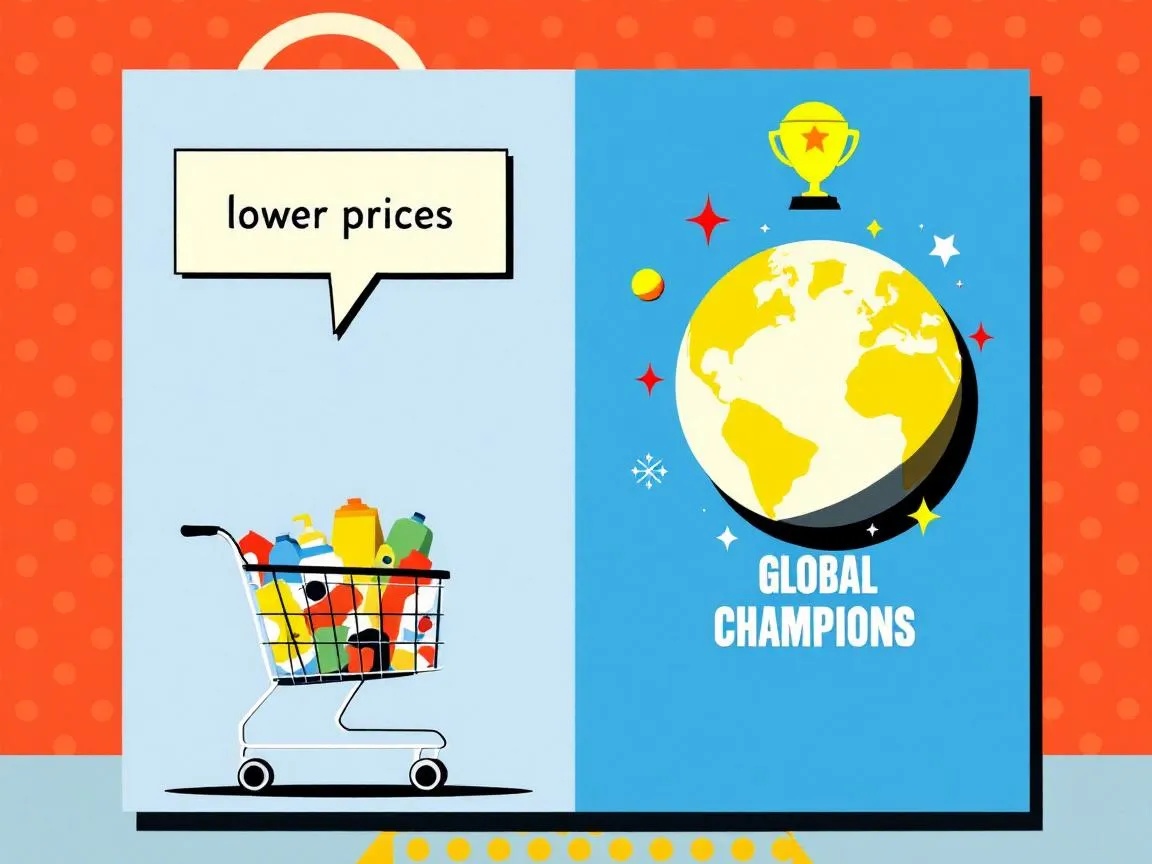
Nations around the world are reassessing antitrust policy (generally called “competition policy” overseas). Governments, regulators, and industry leaders are increasingly asking whether traditional antitrust enforcement is holding back the “competitiveness” of domestic firms. The term now shows up in speeches by European commissioners, in UK government directives, in U.S. merger battles, and in Canadian legislative…
Roger Partridge writes – The Supreme Court’s Uber judgment (Rasier Operations BV v E Tū Inc [2025] NZSC 162) has delivered clarity of a sort. The Court dismissed Uber’s appeal, upholding the finding that the drivers involved in the proceedings are employees when logged into the Uber app. Yet the decision is deeply flawed. The Court […]
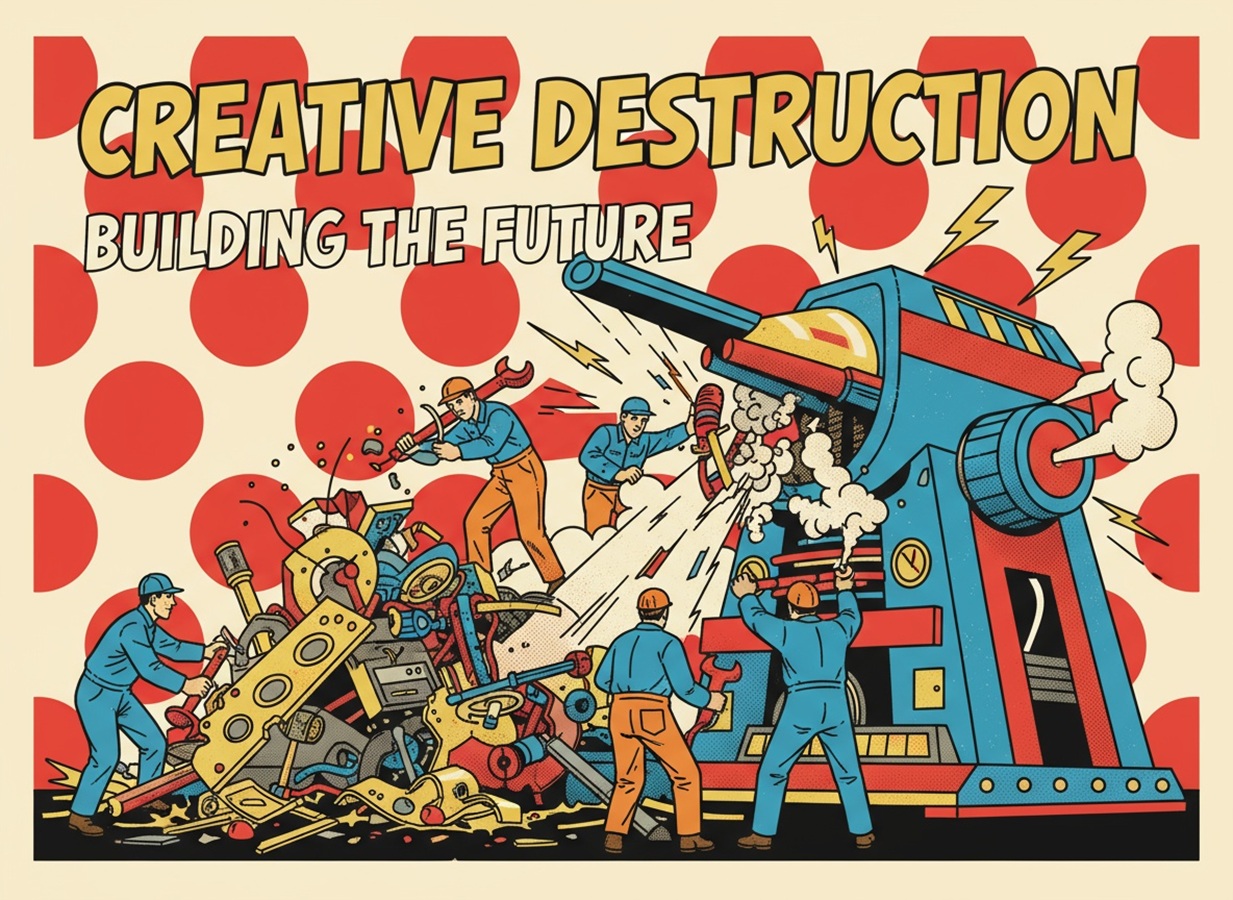
Antitrust should center on dynamic market forces that drive major technological change, rather than on static “big is bad” market analysis, based on the work of the 2025 economics Nobel Prize winners. Antitrust enforcers in the United States and around the world could benefit by incorporating these insights into their policy development. Focus on Dynamic […]
The growth of industry disrupted old economic patterns but produced undreamed-of wealthBy Phil Gramm and Michael Solon. Excerpts:”From the colossal changes wrought by the Industrial Revolution to the Digital Revolution of the last quarter-century, improvements in technology have created an array of jobs that far exceeded—in quantity and quality—the ones eliminated, elevating standards of living.””the…
The United States has produced about twice as many unicorns (private startups valued at $1B+) as China and more than four times as many as the European Union. These numbers reflect deep institutional and cultural advantages in the U.S. startup ecosystem. Table: Number of Unicorns Created Since ~1990 Region Cumulative Unicorns United States ~1,950 China…
Here is a redux of our 2016 Journal of Economic Perspectives piece. Here is the abstract: We can imagine a plausible case for government support of science based on traditional economic reasons of externalities and public goods. Yet when it comes to government support of grants from the National Science Foundation (NSF) for economic research, […]
By David J. Deming, Christopher Ong, and Lawrence H. Summers. From NPR’s Planet Money. Summers was Secretary of the Treasury from 1999 to 2001, director of the National Economic Council from 2009 to 2010 and president of Harvard University from 2001 to 2006.”Obviously, there is a big fear right now that artificial intelligence will kill…
Lab-grown diamonds are gaining share, but they might be getting too cheap and largeBy Jinjoo Lee of The WSJ. Excerpts:”After a postpandemic surge in demand in 2021 and 2022, natural-diamond prices are down about 8% compared with the first quarter of 2020, while lab-grown diamond prices are down 75%” [if they are substitutes for each…
Below is my column in Fox.com on the potentially historic change in policy at Meta to restore free speech protections. As one of the longest and loudest critics of the company over its censorship history, it is admittedly hard to trust. However, an alliance of Mark Zuckerberg with Elon Musk could prove the most important […]
There is a widespread belief that the US labor market has been undergoing a period of unprecedented chance in the last decade or two. On one hand, David Deming, Christopher Ong, and Lawrence H. Summers case doubt on this historical claim in their essay, ” Technological Disruption in the US Labor Market”–that is, they argue…
Deming, Ong and Summers have a good overview of long-run and very recent changes in the US labor market. Using a measure of occupational titles the authors find: The years spanning 1990-2017 were the most stable period in the history of the US labor market, going back nearly 150 years. It’s a bit too early […]
Why Evolution is True is a blog written by Jerry Coyne, centered on evolution and biology but also dealing with diverse topics like politics, culture, and cats.
In Hume’s spirit, I will attempt to serve as an ambassador from my world of economics, and help in “finding topics of conversation fit for the entertainment of rational creatures.”



Recent Comments