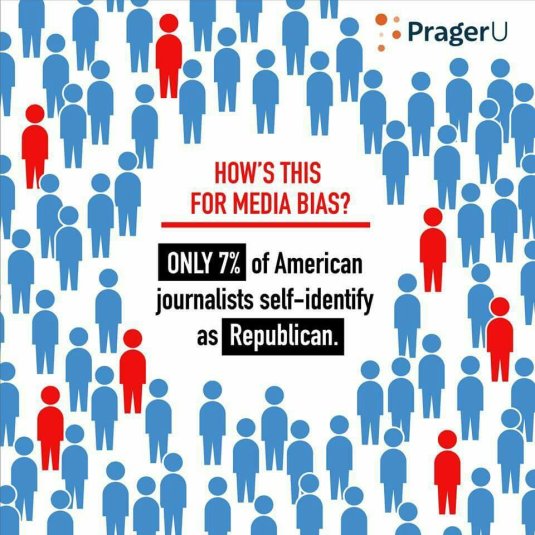
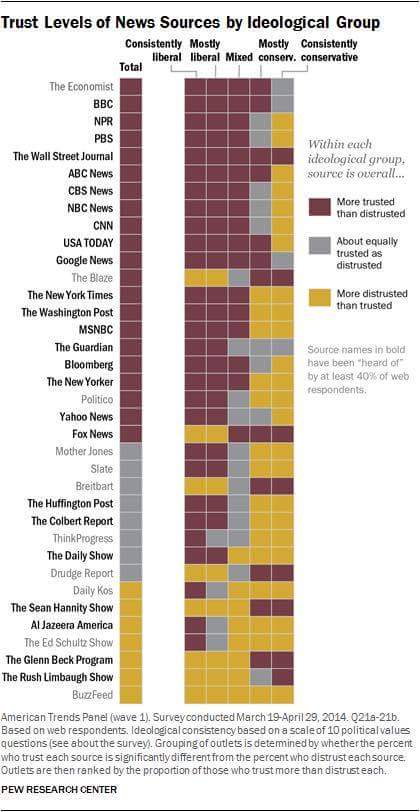
Liberals & conservative media habits
18 Jun 2016 Leave a comment
in economics of media and culture, industrial organisation, politics - USA, survivor principle Tags: media bias
Bias and the BBC
10 May 2016 Leave a comment
in applied price theory, economics of media and culture Tags: BBC, media bias
Blacks shot dead by US police by threat level, January – April 2016
08 May 2016 Leave a comment
in economics of crime, law and economics, politics - USA Tags: crime punishment, law and order, media bias, police shootings
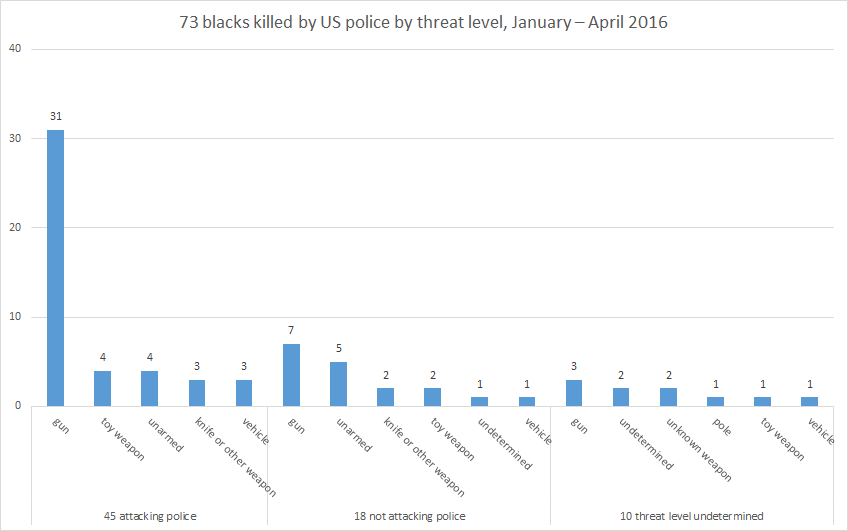
This is what the Washington Post and The Guardian said on the 5 blacks the Washington Post classified as unarmed and not attacking police:
“Antronie Scott, an unarmed 36-year-old black man, was shot on Feb. 4, 2016, in San Antonio, Tex. Undercover San Antonio police officers were monitoring Scott, who had outstanding arrest warrants. When a uniformed officer approached Scott, he spun around with something in his hand. Police later determined that Scott was holding a cellphone.” Source: Fatal force: A Washington Post investigation of people shot and killed by police in 2016 – Washington Post

Source: The Counted: people killed by police in the United States – interactive | US news | The Guardian.
"David Joseph, an unarmed 17-year-old black male, was shot on Feb. 8, 2016, in Austin, Tex. Austin police were responding to reports of an erratic, aggressive person. Joseph, who was naked, rushed toward the officer." Source: Fatal force: A Washington Post investigation of people shot and killed by police in 2016 – Washington Post.

Source: The Counted: people killed by police in the United States – interactive | US news | The Guardian.
"Calin Roquemore, an unarmed 24-year-old black man, was shot on Feb. 13, 2016, in Beckville, Tex. Roquemore fled a traffic stop by a Texas state trooper. Roquemore refused the trooper’s orders to show his hands. No weapon was found at the scene." Source: Fatal force: A Washington Post investigation of people shot and killed by police in 2016 – Washington Post.
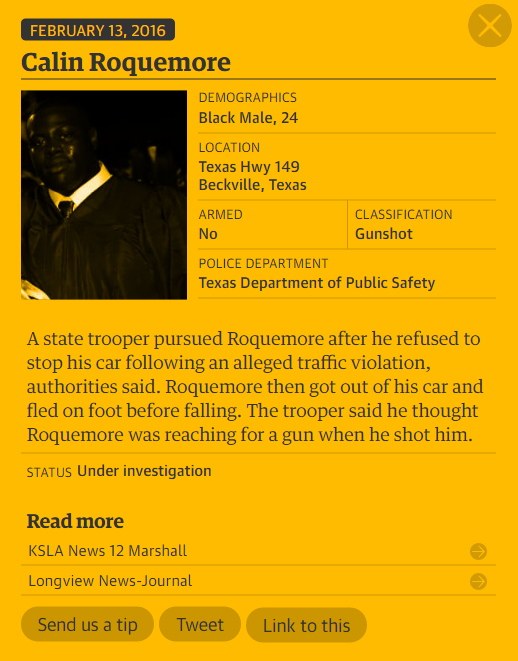
Source: The Counted: people killed by police in the United States – interactive | US news | The Guardian.
"Marquintan Sandlin, an unarmed 32-year-old black man, was shot on Feb. 21, 2016, in Inglewood, Calif. The man was a passenger in a car stopped at an intersection. Inglewood police approached the car and noticed that the woman who was driving had a gun. Officers shot and killed Sandlin and the woman, Kisha Michael." Source: Fatal force: A Washington Post investigation of people shot and killed by police in 2016 – Washington Post.

Source: The Counted: people killed by police in the United States – interactive | US news | The Guardian.
"Peter Gaines, an unarmed 37-year-old black man, was shocked with a stun gun and shot on March 12, 2016, in Houston, Tex. A Houston police officer approached Gaines after he vandalized a traffic sign. Gaines lunged at the officer.” Source: Fatal force: A Washington Post investigation of people shot and killed by police in 2016 – Washington Post.

Source: The Counted: people killed by police in the United States – interactive | US news | The Guardian.
I will leave it up to readers to work out how many of these police shootings were suspicious and indicate police misconduct.
How does media bias really operate?
02 Apr 2016 Leave a comment
in economics, economics of media and culture, Public Choice Tags: media bias
Balance for ballot propositions
28 Mar 2016 Leave a comment
in economics, economics of media and culture, industrial organisation, Public Choice, survivor principle Tags: media bias
Newspapers and agenda setting
25 Mar 2016 Leave a comment
in constitutional political economy, economics, economics of media and culture, Public Choice Tags: media bias
Does competitiveness lower bias?
23 Mar 2016 Leave a comment
in economics, economics of media and culture, entrepreneurship, politics - USA, Public Choice Tags: media bias
What drives media slant?
20 Mar 2016 Leave a comment
in economics, economics of media and culture, Public Choice Tags: media bias
@TheDailyBlogNZ just does not understand why @JohnKeypm is popular and beats them
16 Mar 2016 Leave a comment
in economics of media and culture, politics - New Zealand Tags: Attack Ads, Key derangement syndrome, media bias, Ronald Reagan
The latest example of Key derangement syndrome, a photo essay, reminded me of a story about some prime time TV network current affairs coverage of Ronald Reagan early in his first term. It was a long piece arguing that he was not a very good president.
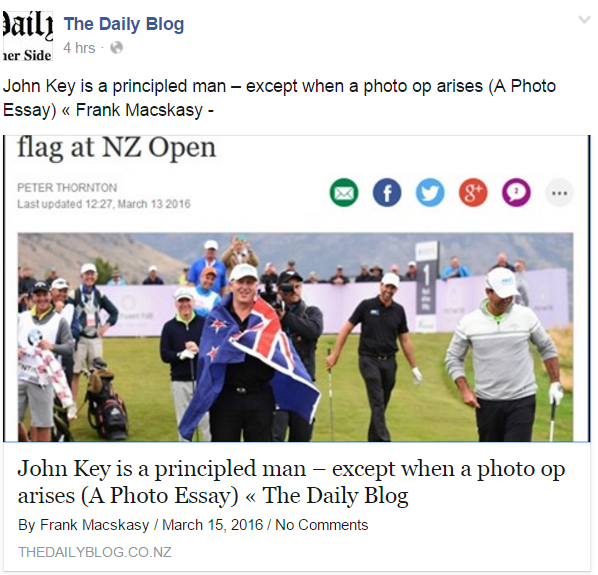
The White House communications director Mike Dever rung up the journalist and thanked him for the coverage. The journalist did not understand why did not understand why.
Dever said that collection of TV clips they put together were excellent – some of the best they have seen. They showed Reagan meeting congressional leaders, business, the public and foreign leaders. Dever said the only thing that the public will remember is the images of Reagan as a hard-working world leader but still a man of the people.
 Utopia, you are standing in it!
Recent Comments