Why leave a tip? You have already received whatever food or service you are going to receive. Maybe if you are a very regular customer, tipping could lead to better service in the future. But most people who leave tips do so even if they are stopping off at, say, a restaurant in a city…
Some Economics of Tipping
Some Economics of Tipping
01 May 2024 Leave a comment
in applied price theory, economic history, industrial organisation, labour economics, labour supply Tags: asymmetric information, moral hazard, tipping
Agent-principal conflicts
18 Apr 2024 Leave a comment
in economics of crime, economics of information, economics of media and culture, labour economics, labour supply, law and economics, managerial economics, organisational economics, personnel economics Tags: agency costs, asymmetric information, moral hazard, screening
Some Chinese electric cars are ‘almost uninsurable’ in Britain
12 Mar 2024 Leave a comment
in development economics, energy economics, environmental economics, global warming, growth miracles, law and economics, transport economics, urban economics Tags: adverse selection, asymmetric information, British politics, electric cars, moral hazard

By Paul Homewood h/t Patsy Lacey Owners of some of the latest Chinese electric cars to enter Britain are facing expensive premiums and in some cases are ‘almost uninsurable’ for drivers. It comes after various reports of Range Rover owners struggling to find affordable cover for their vehicles, which is linked […]
Some Chinese electric cars are ‘almost uninsurable’ in Britain
Genetic Insurance
28 Feb 2024 Leave a comment
in applied price theory, economics of information, entrepreneurship, health economics Tags: adverse selection, health insurance, moral hazard, screening, self-selection, signaling
Genetic testing identifies disease risk, enabling individuals to dodge environmental triggers, optimize treatments, and improve planning. Yet, the fear of increased insurance premiums deters many from undergoing tests. Genetic testing offers societal benefits but also presents significant distributional challenges. To address this, my 1994 paper proposed the idea of genetic insurance. For a small fee […]
Genetic Insurance
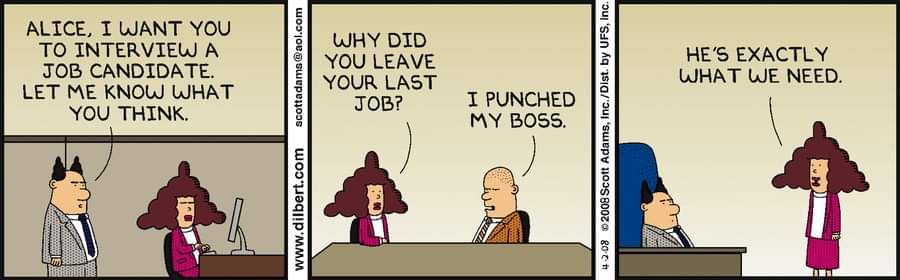
Self-selection explained
15 Feb 2024 Leave a comment
in labour economics, labour supply, occupational choice, unemployment Tags: adverse selection, asymmetric information, moral hazard, screening, self-selection, signaling
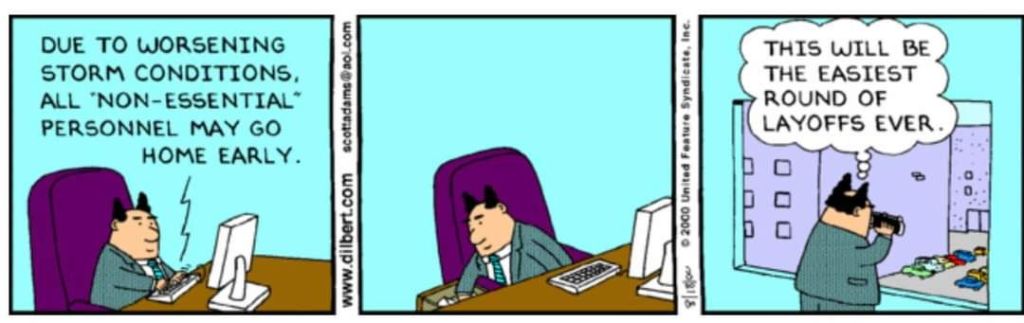
Debate: Abolish Banking Insurance?
10 Nov 2021 Leave a comment
in applied price theory, applied welfare economics, business cycles, economic history, economics of bureaucracy, financial economics, great depression, Ludwig von Mises, monetary economics, Public Choice Tags: deposit insurance, moral hazard
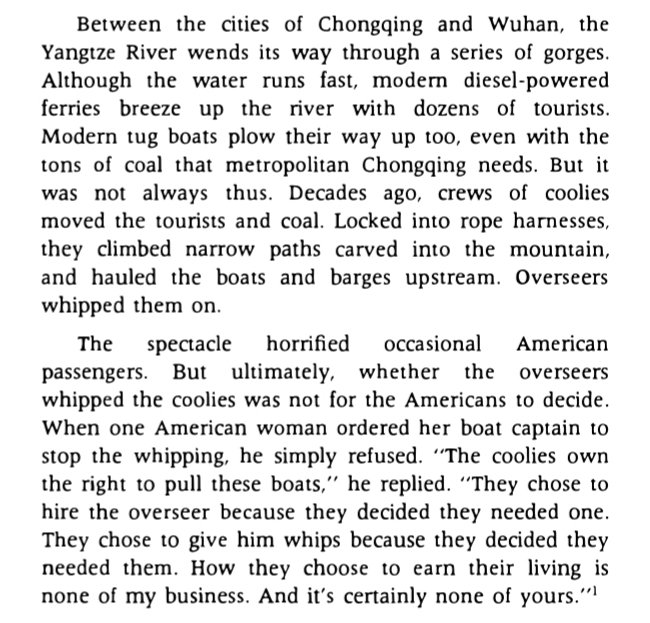
How do you align the incentives of sea captains transporting criminals to Australia with those of the public?
06 Jun 2021 Leave a comment
in applied price theory, Armen Alchian, comparative institutional analysis, economics of information, financial economics, history of economic thought, industrial organisation, labour economics, labour supply, law and economics, managerial economics, market efficiency, organisational economics, personnel economics, property rights, Ronald Coase, survivor principle, theory of the firm Tags: adverse selection, asymmetric information, incentive compatibility, moral hazard
Oklahoma Doctors vs. Obamacare
03 Dec 2020 Leave a comment
in applied price theory, economics of bureaucracy, economics of information, health economics, industrial organisation, managerial economics, organisational economics, personnel economics, politics - USA, Public Choice, theory of the firm Tags: adverse selection, asymmetric information, health insurance, moral hazard, self-selection
David Lee Roth tells the story behind the “no brown M&Ms” legend
09 Oct 2020 Leave a comment
in entrepreneurship, managerial economics, Music, organisational economics Tags: asymmetric information, moral hazard
Adam Smith and religion
21 Aug 2020 Leave a comment
in Adam Smith, comparative institutional analysis, David Friedman, economics of education, history of economic thought, human capital, industrial organisation, labour economics, labour supply, occupational choice, poverty and inequality, property rights Tags: moral hazard, signaling
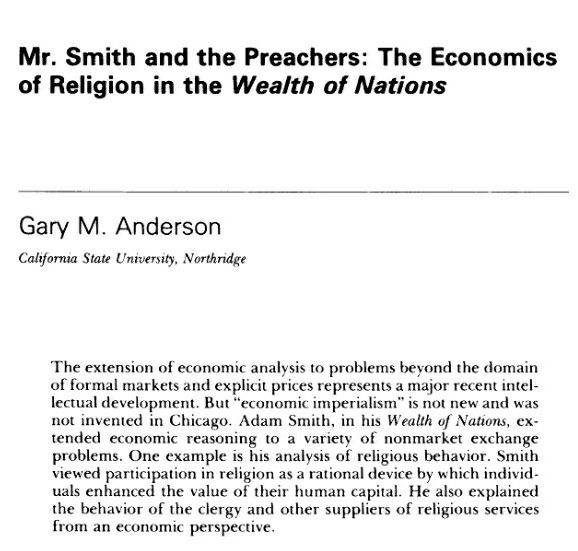
JPE 1988
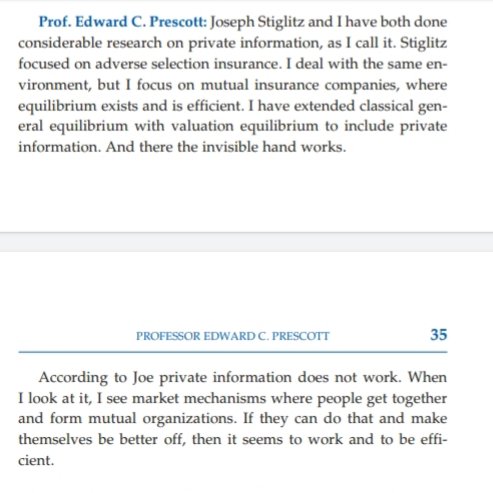
Bryan Caplan – education is signaling
20 Jun 2020 Leave a comment
in economics of education, economics of information, human capital, labour economics, labour supply, occupational choice, personnel economics Tags: adverse selection, asymmetric information, moral hazard, screening, signaling
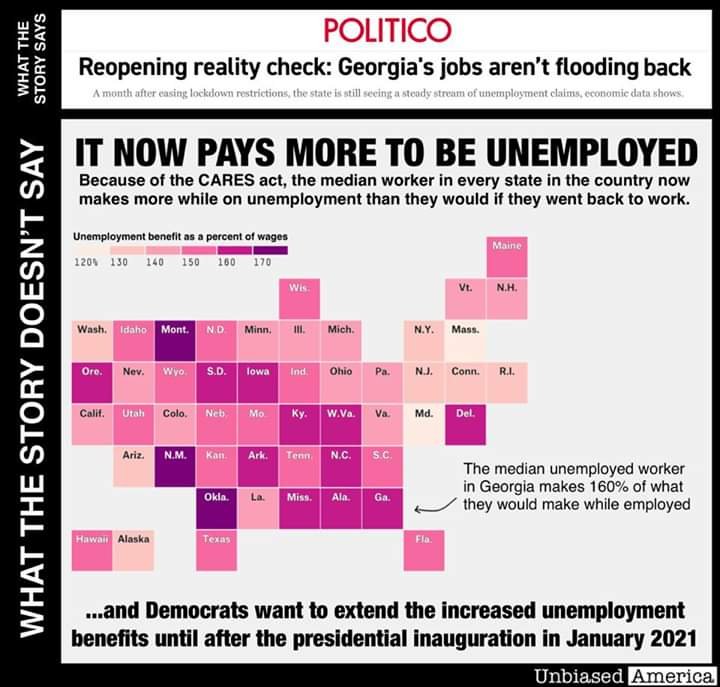
Unemployment rate in Georgia is 40%
25 May 2020 Leave a comment
in economics of bureaucracy, health economics, income redistribution, labour economics, labour supply, macroeconomics, politics - USA, Public Choice, public economics, rentseeking, unemployment Tags: 2020 presidential election, economics of pandemics, moral hazard, unemployment insurance

 Utopia, you are standing in it!
Recent Comments